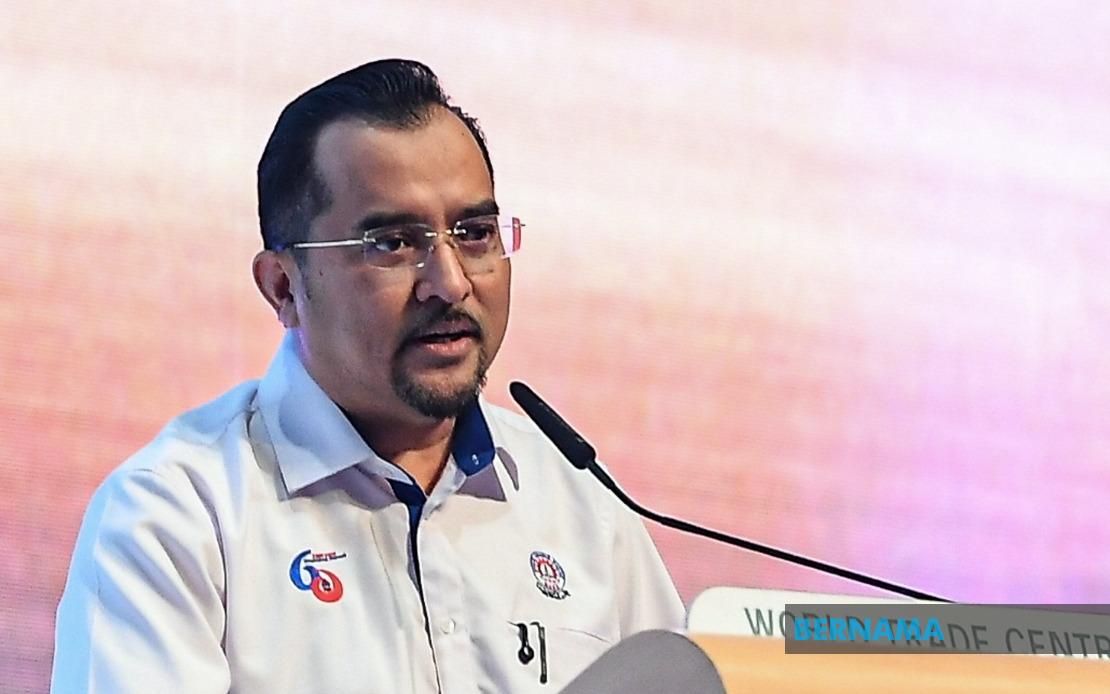
The leadership of Majlis Amanah Rakyat (MARA) has moved swiftly to address allegations of bullying at one of its prestigious residential colleges in Johor, announcing that six Form Five students arrested in connection with the incident face expulsion if proven guilty. Datuk Asyraf Wajdi Dusuki, the organisation's chairman, declared on June 28 that the matter demands the most severe institutional response, signalling a hardline approach to student misconduct that has prompted growing concern about campus safety in Malaysia's elite boarding schools.
The bullying complaint emerged after the parents of a 14-year-old victim took their grievance to social media, describing how their son had reached an emotional breaking point and requested withdrawal from the MARA Junior Science College (MRSM) to escape ongoing mistreatment. This public disclosure transformed what might have remained an internal matter into a broader conversation about safeguarding mechanisms within Malaysia's premier secondary education institutions. The visibility of the case underscores a troubling pattern where institutional problems often surface only when families resort to public pressure rather than through preventative reporting structures.
Datuk Asyraf's immediate intervention included ordering the institution's Secondary Education Division (BPM) and MRSM administration to convene the College Disciplinary Committee within twenty-four hours. This compressed timeline reflects the severity with which MARA leadership views the allegations and signals a departure from slower bureaucratic processes that might typically characterise institutional investigations. The expedited response aims to demonstrate both accountability and decisiveness to parents and the broader public, particularly given the reputational implications for Malaysia's residential school system.
The chairman expressed considerable personal dismay at the allegations, describing himself as deeply saddened and disappointed by reports of bullying at an institution meant to nurture Malaysia's academic elite. His emotional response carried political weight, as MARA operates under government patronage and educational standards at these colleges reflect directly on the ministry's oversight. By articulating his personal disappointment, Datuk Asyraf positioned himself as aligned with parental concerns rather than defending institutional failings.
The case has already entered the criminal justice system, with police conducting a formal investigation following the parents' report. The six suspects have been remanded for two days to facilitate questioning, transforming what began as an internal disciplinary matter into a potential criminal prosecution. This escalation indicates that authorities consider the bullying allegations serious enough to warrant police involvement, suggesting violence, psychological abuse, or systematic harassment beyond ordinary schoolyard conflicts.
Central to Datuk Asyraf's public statement was a reiteration of MARA's declared policy: "YOU TOUCH, YOU GO." This simplified mantra is intended to communicate that physical assault or violent conduct results in automatic removal from the institution. The slogan gained prominence in earlier discussions about campus discipline but appears insufficient to address the complexities of psychological bullying, which may not involve physical contact yet causes profound trauma. By reiterating this phrase, the chairman attempted to reinforce that bullying, whether framed as senior student discipline of junior cohorts or otherwise, has no institutional tolerance.
Datuk Asyraf specifically acknowledged that bullies sometimes justify their conduct as a form of junior student discipline, a rationalisation that appears to carry some currency within residential school cultures. This candid recognition suggests that bullying at MRSM facilities may have been tacitly embedded within informal hierarchical traditions, where older students exercise dominance over younger cohorts as a purported character-building or socialisation mechanism. The chairman's direct rejection of this narrative indicates an attempt to dismantle institutional tolerance for such practices.
The chairman further appealed to the student body to abandon any reluctance to report bullying, encouraging victims and witnesses to approach teachers, wardens, or administrative staff immediately rather than withdrawing from the institution. This message targets a documented phenomenon where boarding school students suffer bullying in silence, fearing social ostracism or administrative complications if they report peers. By explicitly validating reporting and warning against victim departure, Datuk Asyraf attempted to shift institutional culture toward transparency.
Datuk Asyraf also issued a warning to anyone contemplating concealing or protecting alleged bullies, stating that MARA would pursue appropriate action against those who obstruct accountability. This stern admonition targets a common institutional problem wherein peer groups shield perpetrators from consequences, either through collective silence or active deception. The warning reflects understanding that bullying cultures persist because bystanders enable them, either passively through non-reporting or actively through protection networks.
The timing of this public intervention carries broader significance for Malaysian education policy. With growing awareness of mental health challenges among adolescents and increasing parental scrutiny of residential institutions, the MRSM system faces elevated expectations regarding student welfare. The Johor incident occurs amid international conversations about bullying's documented psychological impacts, from depression and anxiety to self-harm, making institutional accountability increasingly central to how parents evaluate school safety.
For Southeast Asian policymakers observing Malaysia's residential school systems, the MRSM case illustrates tensions inherent in elite boarding institutions: they simultaneously cultivate academic excellence and present concentrated environments where hierarchical bullying flourishes. The MARA response may establish precedents that other regional institutions will either follow or resist, shaping how education systems across the peninsula and region prioritise student welfare against institutional reputation protection.
The expulsion threat, while symbolically powerful, raises practical questions about rehabilitation and proportionality. Malaysian education policy generally emphasises redemptive approaches to youth misconduct, yet Datuk Asyraf's zero-tolerance stance suggests MARA may pursue permanent exclusion rather than disciplinary suspension or behavioural counselling. This represents a harder line than some parents advocate, who seek meaningful accountability coupled with therapeutic intervention for bullies, particularly if they demonstrate genuine remorse.
The incident ultimately reflects a system reckoning with whether traditional boarding school hierarchies remain compatible with contemporary understandings of student protection. As MRSM conducts its disciplinary investigation and police complete their criminal inquiry, institutional reform will likely extend beyond addressing the immediate six students to examining broader cultural changes necessary within residential education environments, from staff training to reporting mechanisms to counselling services for affected students.

