Malaysia's Majlis Amanah Rakyat (MARA) has reopened one of its most prestigious pathways into medicine by reviving student placements at Al-Azhar University in Egypt, a move that signals the agency's commitment to diversifying educational opportunities beyond traditional Western institutions. The programme, which remained suspended since 2019, now welcomes 78 students as its first intake, marking a significant resumption of ties with one of the Islamic world's oldest and most respected academic institutions. The decision follows formal Cabinet approval and represents a calculated investment in affordable tertiary medical education for promising Malaysian students.
The reinstatement carries immediate financial advantages that make it compelling from both an institutional and household perspective. Each student participating in the five-year medical curriculum will require approximately RM350,000 in total expenditure when factoring in accommodation and related costs, a figure substantially reduced from the initial quotation thanks to a generous 50 per cent discount extended by Al-Azhar University itself. This pricing advantage becomes particularly striking when compared against pursuing identical medical qualifications domestically, where private institutions typically charge between RM700,000 and RM800,000 per student—effectively doubling the outlay required for an Al-Azhar pathway. For families of modest means aspiring to send children into the medical profession, the cost differential represents a meaningful opportunity.
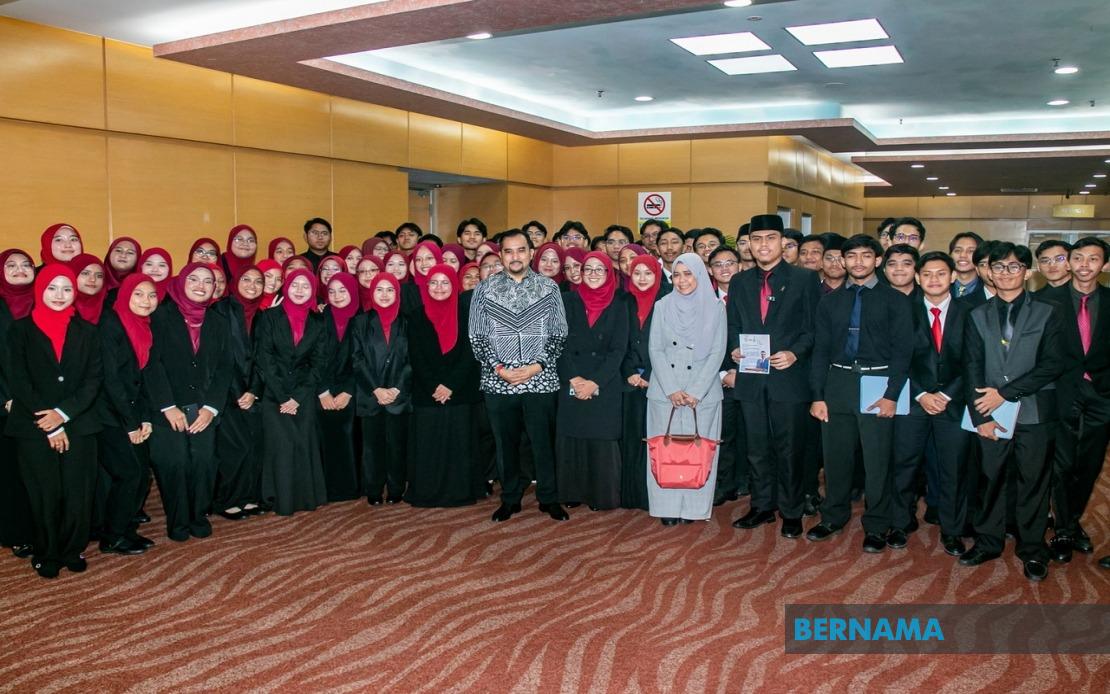
MRA chairman Datuk Dr Asyraf Wajdi Dusuki announced the resumption during the 2026 Premier MARA-Sponsored Overseas Students Pre-Departure Programme and took the occasion to publicly acknowledge Prime Minister Datuk Seri Anwar Ibrahim's instrumental role in facilitating Cabinet approval for the renewed arrangement. The timing of this restart reflects broader policy considerations within Malaysia's education and human resources development agenda, particularly regarding the need to strengthen medical workforce capacity across the region. By leveraging an institution with Al-Azhar's scholarly credentials and Islamic educational philosophy, MARA positions the sponsorship as culturally congruent with Malaysia's national values whilst simultaneously providing access to world-class medical training.
The Al-Azhar initiative forms part of a substantially expanded overseas scholarship programme that MARA is deploying during the current academic cycle. Alongside the 78 medical students bound for Cairo, an additional cohort of 600 students drawn from MARA's three premier preparatory colleges will commence studies at various international destinations beginning the following week. These preparatory institutions—Kolej MARA Seremban in Negeri Sembilan, Kolej MARA Banting in Selangor, and Kolej MARA Kuala Nerang in Kedah—serve as crucial feeder institutions, identifying and nurturing talent destined for overseas higher education.
The geographic distribution of MARA's sponsorships reflects strategic positioning across multiple academic markets and geopolitical spheres. The 600 departing students will disperse to tertiary institutions across New Zealand, Canada, Australia, South Korea, the United Kingdom, and Egypt, a portfolio that balances traditional Anglophone preferences with emerging educational hubs in East Asia. This diversification strategy mitigates over-reliance on any single educational jurisdiction whilst exposing Malaysian scholars to varied pedagogical approaches and global networks.
Within this expanding sponsorship universe, MARA has successfully placed elite cohorts at the world's most competitive universities. The agency reports that 11 of its sponsored students secured admission to Imperial College London for the current academic session, a testimony to the calibre of candidates identified through its selection mechanisms. More broadly, 40 MARA-sponsored students have gained entry to institutions occupying the top 10 positions in global university rankings, whilst 107 have been accepted into top-20 ranked universities, underscoring the agency's track record in identifying and nurturing academically gifted Malaysians capable of competing at the highest international level.
The reinvigoration of the Al-Azhar programme carries particular significance for Southeast Asia's medical workforce trajectory. With the region facing persistent shortages of qualified physicians and healthcare professionals, especially in underserved rural and secondary urban areas, investing in diverse pathways into medical education addresses systemic gaps. Al-Azhar's curriculum, whilst rooted in Islamic scholarship traditions, maintains rigorous standards in biomedical sciences and clinical training, producing graduates who successfully complete international medical licensing examinations and practise across multiple jurisdictions. For Malaysian students, the exposure to medical education within an Islamic institutional context may also enhance their ability to address healthcare delivery in faith-sensitive contexts—a consideration of increasing relevance as Southeast Asia grapples with diverse patient populations and culturally grounded health beliefs.
The cost advantage extends beyond individual student economics to encompass broader budgetary efficiency for a government agency operating within fiscal constraints. By securing substantial institutional discounts from Al-Azhar and leveraging Malaysia's longstanding diplomatic and educational relationships with Egypt, MARA effectively stretches its limited scholarship budget further, enabling it to support additional students without proportional increases in annual expenditure. This efficiency metric becomes particularly important as Malaysia navigates post-pandemic economic adjustments and competing demands upon public resources. The agency's ability to redirect savings toward other educational initiatives or to expand the absolute number of beneficiaries strengthens its institutional mandate to broaden access to higher education among bumiputera communities.
The suspension and subsequent revival of the Al-Azhar programme also reflects evolving assessments within Malaysia's education policymaking circles regarding institutional reputation and academic quality. The initial discontinuation in 2019, the precise reasons for which remain publicly unspecified, may have stemmed from various considerations ranging from accreditation concerns to shifting strategic priorities. The current reinstatement suggests that institutional review has reaffirmed Al-Azhar's standing and relevance, particularly in light of international rankings improvements and enhanced medical training standards at the university. This reassessment carries implicit messages about Malaysia's openness to diversifying educational partnerships beyond the traditional Western institutional sphere and its confidence in non-Anglophone academic pathways.
For the 78 inaugural cohort of MARA medical students departing for Cairo, the experience will extend well beyond curricular engagement. Living and studying within Egypt's vibrant academic environment exposes Malaysian students to Islamic intellectual traditions, Arab scholarly networks, and Middle Eastern professional contexts that increasingly shape regional geopolitics and economic integration. Medical graduates returning to Malaysia with such international experience and institutional connections become valuable assets in developing professional networks, facilitating knowledge exchange, and positioning Malaysia within broader Islamic and Arab health discourse. The alumni networks cultivated through Al-Azhar placements may generate career opportunities across Gulf Cooperation Council nations and other Islamic-world health systems.
As MARA accelerates its overseas sponsorship commitments, the agency faces implicit expectations to maintain transparency regarding student outcomes, employment trajectories, and return-on-investment metrics. Tracking how the Al-Azhar cohorts perform in licensing examinations, where graduates establish medical practice, and whether they contribute to addressing Malaysia's physician distribution challenges will provide crucial data for evaluating the programme's long-term success. Success in such metrics will strengthen justifications for continued investment and may prompt expansion of the Al-Azhar initiative or similar arrangements with other non-Western institutions of recognised excellence.
The broader policy environment surrounding MARA's expanded sponsorships also reflects underlying conversations about meritocracy, equity, and access within Malaysian higher education. By ensuring that bumiputera students of demonstrated academic capability gain pathways into elite global universities—whether through Al-Azhar or Imperial College—MARA reinforces the principle that economic disadvantage should not constitute a barrier to educational aspiration. This approach balances affirmative action principles with quality assurance, offering genuine opportunities rather than token placements, and ultimately serves Malaysia's long-term competitiveness by developing its most talented human resources regardless of socioeconomic origin.

