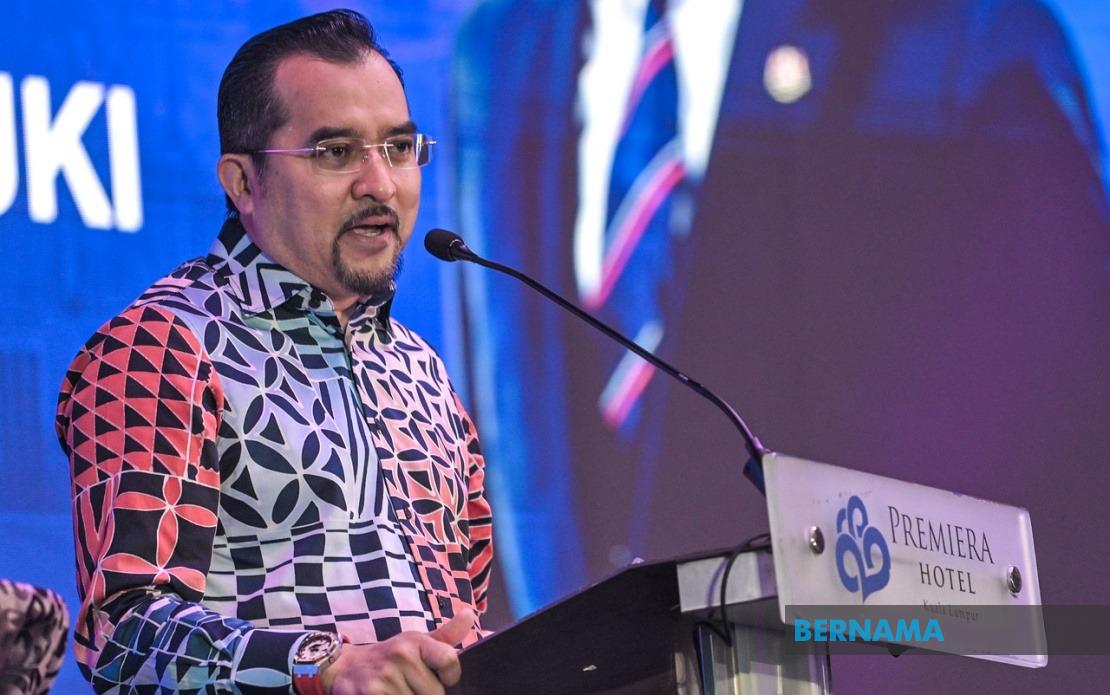
MARA is embarking on a structured rollout to station former military personnel as dedicated full-time wardens across its network of 58 MARA Junior Science College (MRSM) institutions nationwide, signalling a major institutional shift in how Malaysia's premier residential schools will approach student welfare and discipline. The initiative, announced by MARA chairman Datuk Dr Asyraf Wajdi Dusuki on June 30, will introduce four permanent wardens—two male and two female—to each campus, a move designed to relieve classroom teachers of round-the-clock pastoral responsibilities and leverage the professional discipline cultivated through military service.
The phased deployment strategy reflects MARA's cautious approach to institutional change. Ten MRSM institutions will pilot the programme during the remainder of this year, with the remaining 48 colleges absorbing the new staffing structure from January 2026 onwards. This staggered timeline permits the organisation to monitor implementation effectiveness, refine operational procedures, and address teething problems before full nationwide integration. The selection screening for male wardens has already concluded, while the recruitment process for female wardens was expected to reach completion within days of the announcement.
The deliberate choice to recruit from the veteran military community addresses a recognised challenge within Malaysia's education system. Teachers in boarding schools have historically shouldered dual burdens—classroom instruction coupled with out-of-hours supervisory duties that frequently extend deep into evenings and weekends. By introducing dedicated, salaried wardens with military background, MARA aims to establish a clearer separation between pedagogical and pastoral roles, potentially improving both teacher retention and student care quality. The recruitment process itself was conducted in partnership with the Malaysian Armed Forces (ATM) and other relevant bodies to ensure candidates possessed exemplary service records and personal conduct.
Datuk Dr Asyraf Wajdi emphasised that MARA views character formation as non-negotiable alongside academic excellence. The rationale behind recruiting former military officers extends beyond basic supervision; it reflects a philosophical commitment to instilling disciplined approaches to daily living, punctuality, respect for hierarchy, and personal responsibility—values historically embedded within military training cultures. These attributes, the MARA leadership believes, will complement the intellectual development that MRSM institutions already provide through their rigorous academic curricula.
The wider context for this initiative involves MARA's strategic positioning within Malaysia's education ecosystem. The organisation has recently publicised strong employment outcomes from its Technical and Vocational Education and Training (TVET) programmes, reporting a graduate employability rate of 99.1 per cent. These outcomes reflect strategic partnerships with major multinational corporations; Samsung's recent recruitment of 700 MARA TVET graduates at RM3,500 monthly starting salary demonstrates how vocational-technical pathways increasingly command competitive compensation packages in Malaysia's labour market. This success in job placements underscores MARA's broader institutional confidence and suggests that the warden initiative sits within a larger modernisation agenda.
For MRSM institutions specifically, the introduction of dedicated wardens may signal a recalibration of priorities. These colleges have long served as Malaysia's incubators for high-achieving secondary students, with their boarding structure intended to facilitate both academic intensity and character moulding. However, resource constraints and competing demands on teachers have sometimes compromised the pastoral dimension. The new warden structure represents an implicit acknowledgement that residential education demands specialist personnel focused exclusively on student conduct, welfare, and non-classroom development.
The five MRSM institutions recognised as top performers in last year's Sijil Pelajaran Malaysia (SPM) examination will receive special funding allocations of RM145,000 each for excellence programmes. This financial commitment, running parallel to the warden deployment, indicates that MARA is pursuing a dual-track strategy: recognising and rewarding exceptional academic performance while simultaneously building infrastructure for discipline and personal development. The combination suggests an institution conscious of both quantitative metrics and qualitative character-building outcomes.
For Malaysian parents and prospective MRSM students, the announcement carries several implications. The presence of full-time wardens may enhance perceived safety and supervision standards—a key consideration for families entrusting teenagers to residential institutions. The military backgrounds of these personnel may also signal to stakeholders that MRSM boarding life will maintain structured routines and clear expectations around conduct. However, whether military-trained wardens prove effective in the education context will depend substantially on their communication skills, understanding of adolescent psychology, and ability to balance firmness with empathy.
Regionally, Malaysia's move merits attention from other Southeast Asian nations operating similar boarding school systems. The recruitment of former military personnel as full-time institutional wardens represents a cross-sectoral approach to education management—blending military discipline traditions with civilian educational frameworks. Thailand, Indonesia, and other regional neighbours with established residential secondary school programmes may observe whether this model proves replicable within their own institutional and budgetary contexts.
Implementation challenges will inevitably emerge as MARA transitions from planning to execution. Determining appropriate compensation levels for ex-military wardens, establishing clear job descriptions that distinguish warden responsibilities from teaching roles, and ensuring cultural compatibility between military-trained personnel and civilian academic environments all present organisational complexities. The phased rollout strategy, however, should permit iterative refinement based on early feedback from the initial 10 pilot institutions.
The broader philosophical dimension also warrants consideration. Modern education discourse increasingly emphasises trauma-informed approaches, mental health support, and individualised student care—frameworks that sometimes tension with hierarchical, discipline-centric military models. MARA's challenge will involve ensuring that wardens recruited from military backgrounds undergo adequate training in contemporary student welfare best practices, moving beyond conventional command-and-control paradigms toward relational approaches that build trust alongside accountability.
Ultimately, MARA's warden deployment initiative reflects an institution attempting to address legitimate capacity gaps while reinforcing its positioning as a premier provider of character-integrated education. The success of this programme will significantly influence not only MRSM institutional culture but also broader conversations within Malaysia about how residential educational institutions should balance academic rigour, disciplinary structures, and holistic student development. The January 2026 nationwide rollout will provide concrete evidence of whether former military personnel effectively enhance the residential boarding school experience.

