The authority overseeing Malaysia's premier junior science colleges has announced a review of its procedures surrounding student outings after two teenagers from an Alor Gajah campus vanished earlier this month. The unexpected absence of the pair, both aged sixteen and enrolled in Form Four at MRSM Alor Gajah, has prompted Majlis Amanah Rakyat (MARA) to assess current protocols, though leadership remains cautious about implementing measures that could constrain the educational environment.
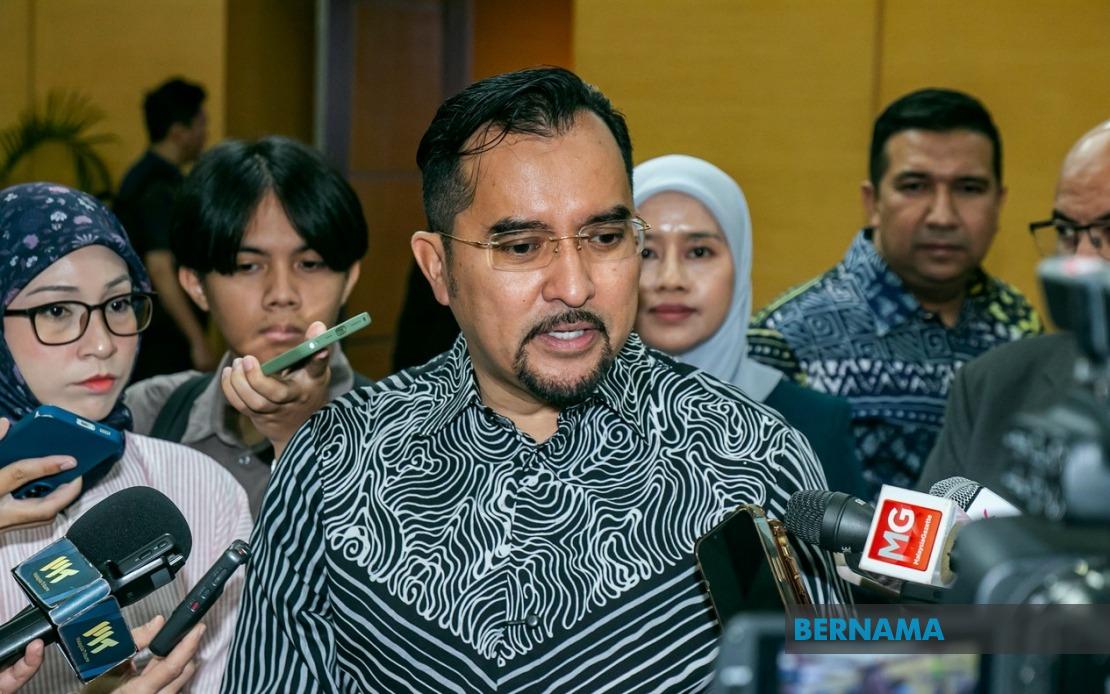
In a statement to media representatives in Kuala Lumpur, MARA chairman Datuk Dr Asyraf Wajdi Dusuki characterised the incident as exceptional rather than symptomatic of systemic failure. He emphasised that the disappearance on August 11 should not become a pretext for overly restrictive regulations that might undermine the established culture of personal development and student autonomy that has served the MRSM network. The two girls were discovered approximately four days after they went missing, located near Pasar Seni in central Kuala Lumpur in a distressed state.
One of the students experienced a panic attack and required medical attention at a hospital following their discovery, according to Asyraf Wajdi's account. The circumstances surrounding their disappearance and subsequent recovery remained unclear as police investigations were still underway at the time of his remarks. The chairman noted that MARA had cooperated fully with law enforcement authorities in Alor Gajah, providing necessary assistance to support the investigation, though specific findings were withheld from public disclosure pending completion of police inquiries.
Central to MARA's reasoning is the pedagogical philosophy that structured independence forms a crucial element of the MRSM educational model. Asyraf Wajdi defended the existing practice of allowing students to venture into nearby towns on a monthly basis, typically once or twice monthly, without mandatory teacher supervision. This arrangement has functioned as part of the broader framework aimed at nurturing maturity and responsibility among the college population, he suggested.
The chairman's position reflects a delicate balance between safeguarding student welfare and preserving opportunities for personal growth and autonomy. Rather than implementing sweeping prohibitions on student movement, MARA appears inclined toward refining existing protocols to address specific vulnerabilities while maintaining the essential character of its institutions. The review will likely focus on enhancing safety mechanisms and communication channels rather than imposing blanket restrictions on student outings.
For Malaysian parents and educators, the incident raises broader questions about duty of care in residential educational settings and the appropriate equilibrium between protection and liberty. MRSM colleges, which serve gifted students identified through competitive selection processes, occupy a distinctive niche within Malaysia's secondary education ecosystem. These institutions are designed to challenge academically advanced pupils and prepare them for tertiary studies, with campus life deliberately structured to encourage independence and social maturity.
The geographic context matters considerably here. Alor Gajah, located in the heart of Melaka state, is a small town offering limited recreational facilities, which may explain why student town visits form part of the campus culture. The fact that the two girls were eventually found in Kuala Lumpur, the nation's capital roughly 150 kilometres away, suggests circumstances more complex than typical unauthorised absence. This distance raises questions about how the students managed to travel so far without immediate detection or alarm from college authorities.
MARAsponship represents one of Malaysia's most prestigious educational pathways, granting selected students access to advanced secondary education with the expectation of later participation in government scholarship programmes for university study. Incidents affecting MRSM institutions therefore carry significance beyond individual campuses, reflecting on the broader reputation and governance of a nationally significant educational provider. The authority's measured response suggests awareness of this broader context and the need to preserve confidence in MRSM's stewardship.
Pending the completion of police investigations, questions linger about what prompted the disappearance and whether the students departed willingly or under other circumstances. The panic attack experienced by one student hints at trauma or distress, though the nature and origin of such distress remain undisclosed. Public understanding of the incident will depend substantially on findings released once the police inquiry concludes.
MARAsponsor institutions across Malaysia will be monitoring closely how leadership responds to this situation. The review of outing procedures offers an opportunity to demonstrate proactive governance while resisting overcorrection. Educational leaders elsewhere will likely reference this instance when deliberating their own student safety protocols, particularly regarding off-campus activities and the supervision arrangements governing them.
The incident underscores enduring tensions in residential education between fostering student autonomy and ensuring adequate pastoral oversight. No consensus exists on where optimal balance lies, and different institutions adopt varying approaches based on their philosophy and risk appetite. MARA's forthcoming policy adjustments will inevitably influence how these institutions manage student life and community relations going forward.

