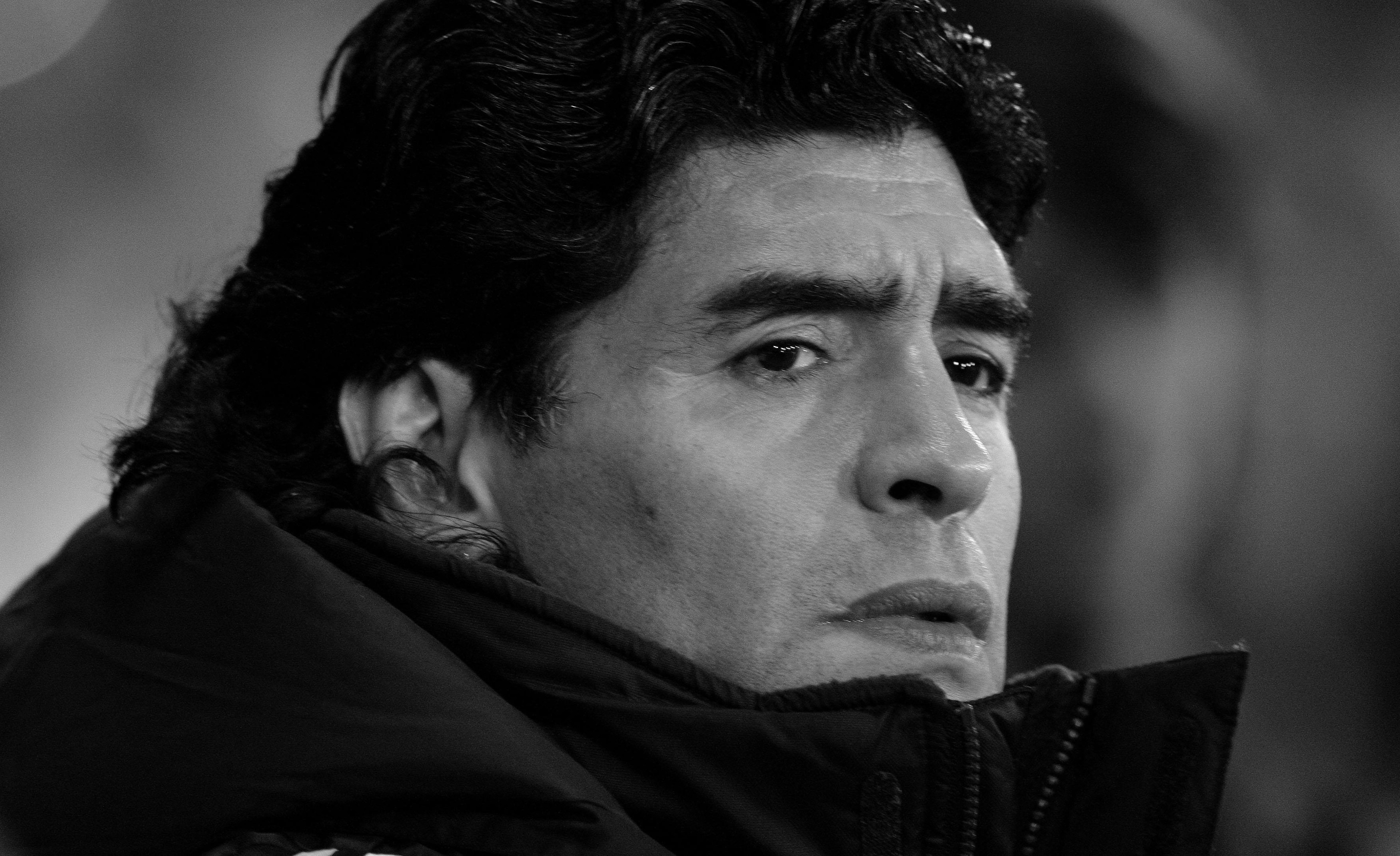
The legal proceedings examining the circumstances surrounding Argentine football legend Diego Maradona's death have been interrupted following a significant administrative error involving medical documentation. According to reports cited by the German Press Agency (dpa), kidney test results that actually belonged to Maradona's father, also named Diego, were mistakenly attributed to the football icon himself. The confusion emerged during ongoing court proceedings investigating potential negligence in Maradona's medical care before his death on November 25, 2020. The court responded to the discovery by ordering a one-week suspension while authorities secured the correct medical records for proper examination.
The mix-up represents a critical setback in a case already marked by procedural complications and challenges to its integrity. Maradona, who led Argentina to victory in the 1986 FIFA World Cup, suffered a fatal heart attack at his home in Buenos Aires two years ago. Medical records form a cornerstone of the prosecution's argument, which centres on allegations that the football legend received substandard care during his final weeks. The erroneous attribution of his father's test results—particularly those related to kidney function—could have significantly compromised the court's assessment of Maradona's medical condition at the time of his death.
The prosecution has levelled manslaughter charges against seven individuals connected to Maradona's medical care. These defendants include his personal physician Leopoldo Luque, psychiatrist Agustina Cosachov, a psychologist, another doctor, the medical coordinator from Maradona's health insurer, and two caregivers who attended to him. All accused parties have rejected the allegations brought against them. Investigators contend that grave errors in the home-based medical treatment administered to Maradona constituted criminal negligence that directly contributed to his premature death.
Maradona underwent brain surgery approximately three weeks prior to his fatal heart attack, adding another layer of medical complexity to the case. The prosecution argues that the combination of inadequate post-operative care, insufficient medical oversight, and potentially inappropriate medication protocols created dangerous conditions for the legendary athlete. The defendants' legal representatives maintain that Maradona received appropriate treatment within the context of his stated wishes and the available medical circumstances at the time.
This current suspension marks the second significant disruption to the trial process. The initial legal proceedings, which had progressed for 21 days, were declared null and void in May of the previous year. That extraordinary decision resulted from the discovery that one judge serving on the three-member tribunal had been suspended for her unauthorised involvement with a documentary film focused on the trial itself. The incident raised serious questions about judicial impartiality and the appropriateness of judicial officers engaging with media production companies during active proceedings. The necessity to restart the entire trial represented a substantial setback for both the prosecution and the families seeking justice.
The procedural irregularities surrounding this case reflect broader challenges inherent in high-profile judicial proceedings involving celebrities and internationally significant figures. When cases attract substantial media attention, maintaining judicial independence and ensuring the integrity of evidence becomes exponentially more complex. The mixing of medical documents demonstrates how easily administrative failures can compound legal complications, potentially undermining the reliability of proceedings intended to determine criminal responsibility.
For Malaysian observers and Southeast Asian readers, the Maradona case offers instructive lessons about the intersection of celebrity, medical accountability, and judicial process. The question of whether medical professionals bear criminal responsibility for patient deaths remains contentious globally. In Malaysia and the region, similar cases involving medical negligence have navigated comparable legal territories, where courts must balance the complexity of medical decision-making with the principle that gross negligence can constitute a criminal matter.
The case also highlights vulnerabilities in medical record-keeping and documentation systems, even in contexts where relatively sophisticated healthcare infrastructure exists. The accidental substitution of one deceased person's test results for another's suggests systemic issues in how medical files are organized, stored, and retrieved. Such concerns resonate throughout Southeast Asia, where healthcare modernization remains an ongoing priority for many nations.
The suspension provides time for court officials to verify the authenticity and proper attribution of all medical evidence. This procedural pause, while extending the timeline for resolution, may ultimately strengthen the trial's evidentiary foundation by ensuring that only accurately sourced documents inform judicial decision-making. When proceedings resume, both the prosecution and defence will operate from a confirmed factual basis regarding Maradona's actual medical condition and treatment trajectory.
As the trial reconvenes after the week-long break, the focus will shift to carefully scrutinizing each piece of medical documentation and testimony. The case continues to draw international legal attention, particularly regarding how nations handle criminal investigations into the conduct of healthcare professionals. The outcome may influence how similar cases are prosecuted across Latin America and beyond, including in Southeast Asia where medical malpractice litigation continues to evolve.

