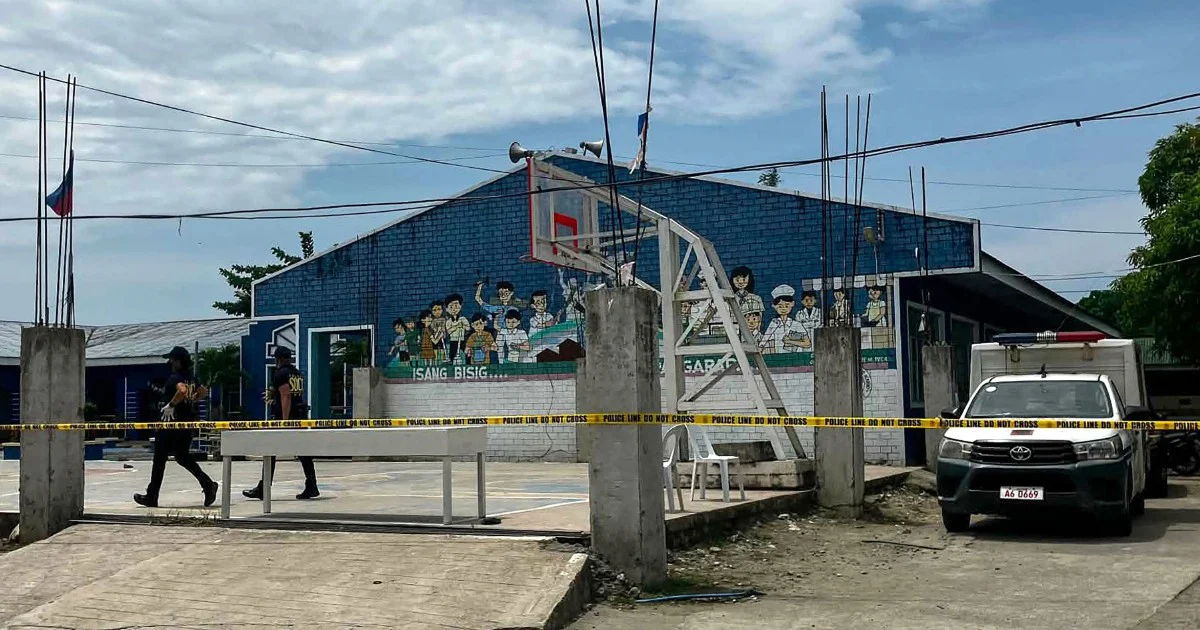
Philippine President Ferdinand Marcos Jr has directed officials to conduct a comprehensive investigation following a school shooting in Tacloban City that claimed three lives and left five others wounded. The incident, which unfolded in one of the Philippines' major urban centres, has prompted immediate action from the national leadership and raises fresh questions about security measures in educational institutions across the country.
School shootings remain comparatively rare in the Philippines relative to some other regions, yet this incident underscores persistent vulnerabilities within the nation's educational infrastructure. The Tacloban shooting represents a significant security breach at a facility intended to serve as a safe learning environment for students and staff. The fact that a sitting president felt compelled to order a formal probe indicates the seriousness with which the government views this event and the broader implications for public safety.
Tacloban City, the capital of Leyte Province in the Eastern Visayas region, has experienced its share of challenges in recent years, including recovery efforts following natural disasters. The occurrence of such an incident within a school setting adds another layer of concern to community safety in the region and may affect public confidence in the security protocols governing educational institutions across the province. Tacloban residents, who have demonstrated resilience through previous crises, now face the additional trauma of addressing gun violence within their schools.
The circumstances surrounding how the shooting occurred, the identity of the shooter, and access to the firearm remain subjects requiring urgent clarification. These details will form the core of the investigation ordered by Marcos Jr and will likely inform subsequent policy discussions regarding firearm regulation and school security in the Philippines. Understanding the mechanics of how a gunman managed to enter a school building and inflict casualties is essential for preventing similar incidents in the future.
The Philippines maintains some of the most restrictive gun laws in Asia, with stringent licensing requirements and possession protocols. Yet the Tacloban incident demonstrates that legal frameworks alone cannot entirely prevent determined individuals from accessing weapons. This reality has prompted Southeast Asian nations to continually reassess their approaches to balancing public safety with individual rights, and the Philippines will likely face domestic pressure to evaluate whether existing regulations require strengthening.
The five individuals who sustained injuries from the shooting face varying degrees of recovery, adding a secondary human dimension to the tragedy. Medical facilities in Tacloban and potentially larger hospitals have likely been mobilised to provide emergency and ongoing care for the wounded. The psychological impact on survivors, witnesses, and the broader school community will extend far beyond the immediate aftermath of the shooting, affecting student attendance, teacher morale, and parental confidence in school safety.
From a regional perspective, gun violence remains a lower-frequency phenomenon in Southeast Asia compared to other parts of the world, yet incidents such as this one capture international attention and raise questions about emerging trends in the region. Malaysia, Indonesia, and other neighbouring countries closely monitor developments in the Philippines regarding security challenges, recognising that shared vulnerabilities in administrative capacity or enforcement mechanisms may influence how they approach their own public safety strategies.
The presidential intervention signals that school security will likely become a topic of renewed policy discussion within Philippine government circles. Questions may arise regarding the adequacy of security personnel deployed at educational institutions, the effectiveness of access control measures, and the training provided to staff members on emergency response protocols. These considerations will carry implications not only for schools in the Eastern Visayas but potentially for educational institutions throughout the country.
Parents and educators across the Philippines will be watching the investigation's progress closely. The findings may influence decisions about school choice, contribute to debate over whether armed security personnel should be stationed at schools, and potentially spark broader conversations about the root causes of violence within communities. Civil society organisations focused on child welfare and educational access will likely weigh in with recommendations based on the investigation's conclusions.
The Marcos administration's commitment to investigating the shooting reflects an expectation that those responsible for security lapses, if any, will face accountability. This approach may strengthen public trust in institutional responses to security failures, though comprehensive prevention ultimately requires coordination across multiple government agencies, community participation, and recognition of the complex social factors that drive violent behaviour.
Moving forward, the investigation will need to examine not only the immediate tactical response to the shooting but also the systemic factors that permitted it to occur. Whether the shooter had a documented history of violent tendencies, access to the school building was inadequately restricted, or communication breakdowns among security agencies contributed to the incident will all inform recommendations for preventing future tragedies. The results of this probe will likely shape educational security policy in the Philippines for years to come and may influence comparable discussions throughout Southeast Asia.