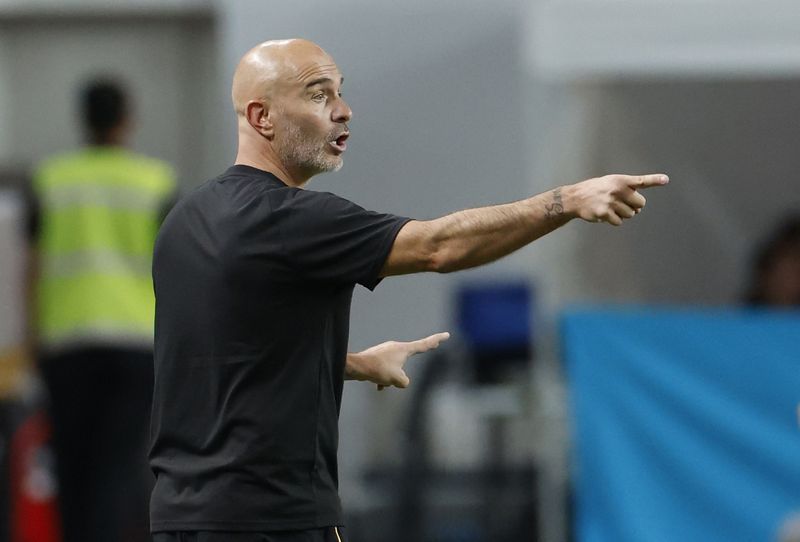
Manchester City enters uncharted territory this season as Enzo Maresca becomes the first permanent manager to lead the club in a decade without Pep Guardiola standing on the touchline. The transition marks the end of the most glittering chapter in City's history, a ten-year span that transformed the club from mid-table mediocrity into English football's dominant dynasty. During Guardiola's tenure, City claimed six Premier League titles, secured a maiden Champions League triumph, and established a level of consistent excellence that redefined what success looked like in the Premier League. With that era now closed, the focus has shifted entirely to whether Maresca can sustain the winning culture that has become synonymous with the Etihad.
The 46-year-old Italian arrives at City with genuine insider knowledge of the club's operations and philosophy. Maresca previously served as part of Guardiola's coaching staff during the treble-winning campaign, granting him an intimate understanding of the tactical systems, training methodologies, and organisational principles that underpinned City's achievements. Beyond his time as an assistant, Maresca has earned credibility as a manager in his own right. He orchestrated Leicester City's return to the Premier League and tasted silverware during his spell at Chelsea, accomplishments that convinced City's board he possessed the necessary pedigree and acumen to navigate this critical transition period.
City's strategic choice of Maresca represents an explicit commitment to continuity rather than revolutionary change. The club has deliberately avoided the temptation to hire a manager offering a radically different football philosophy. Instead, they have selected someone thoroughly versed in the positional play, ball retention dominance, and tactical adaptability that formed the foundation of Guardiola's system. This approach suggests that Manchester City's attacking patterns, defensive structures, and possession-based style will remain recognisable to supporters and squad members alike. The appointment essentially signals that the club hierarchy believes the underlying strategic architecture requires refinement rather than demolition, though Maresca will undoubtedly need to establish sufficient autonomy to avoid being perpetually compared to his predecessor.
The squad Maresca inherits represents one of the continent's most formidable attacking forces. Erling Haaland, the Norwegian striker and league's leading scorer in three of the past four seasons, remains a guaranteed source of goals that most defences struggle to contain. The midfield retains Rodri, whose passing precision, positional intelligence, and defensive contribution earned him the Golden Ball at this year's World Cup after propelling Spain to the tournament title. Rodri's departure has been mooted, with Barcelona reportedly interested, but his continued presence would provide invaluable stability during the managerial transition. City have also bolstered their midfield ranks by recruiting England international Elliot Anderson from Nottingham Forest for a reported £116 million, adding ball-winning capacity and physical energy to the central areas.
Beyond Anderson, City's squad benefits from emerging talents who could provide fresh impetus to the ageing playing group. Rayan Cherki and Nico O'Reilly represent the next generation of midfield creativity and tactical intelligence, offering possibilities for rejuvenation without wholesale roster overhaul. However, significant departures have created genuine concerns about leadership depth and experience within the dressing room. Bernardo Silva and John Stones, both long-serving players who embodied City's winning mentality through multiple title challenges, have departed, removing institutional memory and proven voices in the squad. Their exits necessitate that Maresca establish credibility and authority quickly among remaining personnel who may be processing the loss of the only manager most have known at City.
The expectations placed upon Maresca are unforgivingly high, shaped by the standards Guardiola established during his decade in charge. While most clubs would celebrate a domestic cup double as Maresca would have witnessed in City's final season under the Spaniard, finishing second to Arsenal in the Premier League is treated at the Etihad as underperformance. This reality encapsulates the psychological challenge facing the new manager. He will not be evaluated primarily on stylistic merit or gradual progression but on immediate title contention. Manchester City's ownership, board, and supporter base have been conditioned to expect nothing less than trophy success, particularly domestically. Maresca must therefore deliver results quickly while simultaneously managing the inevitable adjustment period as players and staff adapt to post-Guardiola life.
Guardiola's influence at Manchester City extended far beyond tactical instruction or team selection. The Spaniard fundamentally shaped the club's organisational culture, training standards, and winning mentality throughout every level of the organisation. He established behavioural norms, philosophical principles, and performance expectations that permeated dressing room interactions and player development pathways. Maresca's prior experience as Guardiola's assistant provides familiarity with these cultural underpinnings, yet an enormous difference separates being a trusted lieutenant and actually shouldering responsibility for the entire project. The managerial role demands independent decision-making authority, ultimate accountability, and the capacity to make difficult choices regarding personnel and tactics that a coaching staff member can avoid. Maresca must therefore prove capable of standing alone in ways that his previous role did not require.
The immediate challenge facing Maresca involves managing the transition smoothly while introducing sufficient tactical innovation to refresh a squad that has operated under singular managerial direction for an extended period. Player adaptation timeframes could prove crucial, particularly as many squad members return late from World Cup commitments and require match fitness restoration. City typically handles such issues professionally given their infrastructure, yet the combination of new management, departing players, and established routines could create friction points that lesser clubs would struggle to navigate. Despite these complications, Manchester City remains firmly positioned among the favourites across all major competitions they contest this season. The underlying talent level, financial resources, and organisational competence remain largely unchanged by Guardiola's departure.
If Maresca successfully balances continuity with genuine innovation, creating enough tactical freshness to keep the squad engaged while maintaining the fundamental principles that delivered success, Manchester City could swiftly reassert Premier League supremacy. Conversely, any prolonged adjustment period during which the tactical system lacks clarity or player commitment wavers could provide opportunities for rivals to capitalise. Arsenal finished last season ahead of City and will enter ambitious, while Liverpool has also strengthened significantly. The opening fixture against Bournemouth on August 23 will provide the first indication of Maresca's preparedness and the squad's acceptance of new leadership. That match carries symbolic importance beyond its three points, effectively serving as the public declaration of whether Manchester City can genuinely move forward or whether the Guardiola era's end signals the beginning of relative decline.

