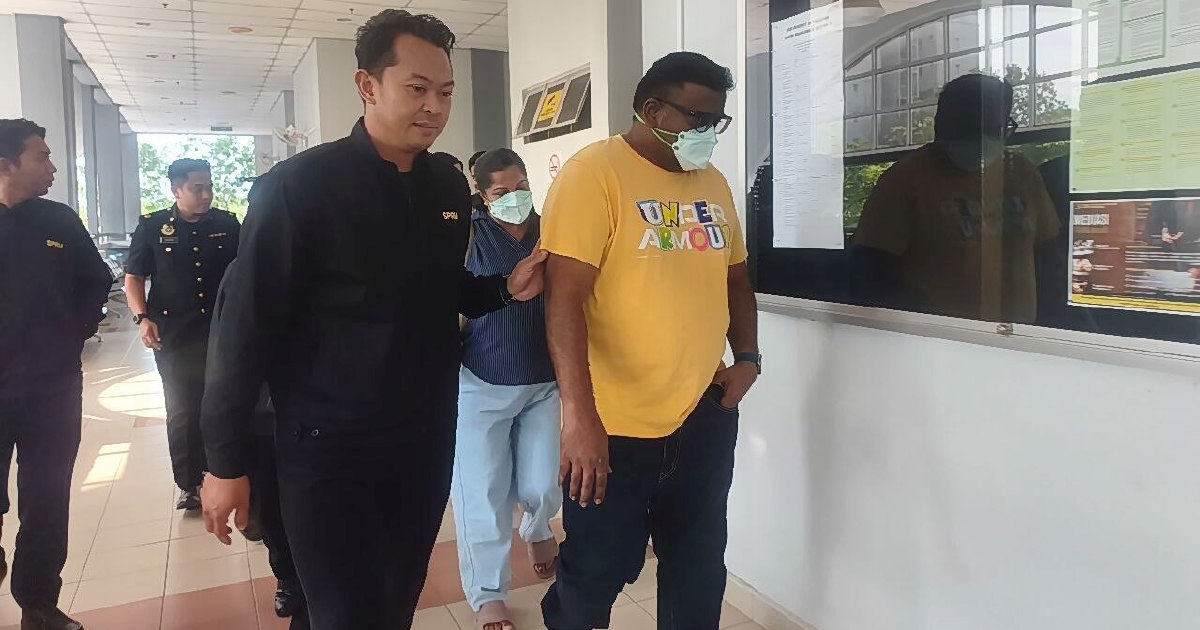
Three individuals, including a husband-and-wife team, have entered not guilty pleas at the Seremban Sessions Court in connection with allegations of submitting fraudulent claims for incentives administered by the Social Security Organisation, known locally as Perkeso. The charges represent part of an ongoing crackdown on benefits fraud that affects Malaysia's social protection system, which provides financial assistance to workers and their families across the nation.
Perkeso, established to protect workers and their dependants against employment-related risks, operates one of Southeast Asia's more extensive social security frameworks. The scheme covers various contingencies including disability, death, and old age, while also administering employer-sponsored incentive programmes designed to promote workplace safety and rehabilitation initiatives. When individuals submit false claims to the organisation, they undermine the integrity of these programmes and divert resources intended for genuinely eligible beneficiaries.
The decision by all three defendants to contest the charges signals they will mount a defence against the prosecution's allegations rather than accepting guilty verdicts. This approach typically indicates confidence in their legal positions or suggests they believe the evidence presented by authorities may be insufficient to prove their culpability beyond reasonable doubt. The composition of the group—a married couple working alongside a third party—suggests potential coordination in the alleged scheme, which prosecutors would need to demonstrate through documentary evidence and testimony.
Fraud cases involving government social security agencies have become increasingly prevalent across Malaysia in recent years, prompting law enforcement and Perkeso officials to intensify investigations and prosecutions. The trend reflects growing awareness among authorities that systematic claim fraud, whether undertaken by individuals or organised networks, represents a significant drain on public resources. Each fraudulent claim processed represents money that could have assisted legitimate claimants, making these cases a matter of public interest beyond the individual circumstances of the defendants.
The Sessions Court venue in Seremban, the capital of Negeri Sembilan, indicates the offences occurred within that jurisdiction. Seremban's court handles cases of intermediate severity, suggesting the allegations carry weight sufficient to warrant formal charges but fall short of the most serious criminal classifications. The court system's handling of such matters demonstrates the judiciary's commitment to holding individuals accountable for breaching the terms and conditions of government assistance programmes.
Employment-linked fraud carries particular significance in Malaysia's socioeconomic context, where Perkeso benefits represent a crucial safety net for workers across multiple sectors. The organisation coordinates with employers to administer various schemes, and any breach of these arrangements affects not only the scheme's viability but also the trust employers place in the system. For Malaysian readers, these prosecutions underscore the importance of accurate claim submission and the consequences of misrepresentation to government agencies.
The charges specifically reference making false incentive claims, a category that suggests the defendants allegedly submitted documentation or claims for benefits or rewards to which they were not entitled. Incentive programmes operated by Perkeso often target specific worker demographics or industries, such as promoting employment for disabled persons or encouraging rehabilitation programme participation. Circumventing these eligibility requirements through false information constitutes fraud against the state and undermines programme effectiveness.
The married couple's joint involvement raises interesting questions about household financial desperation or deliberate conspiracy. Prosecutors would need to establish whether both individuals played active roles in submitting false claims or whether one individual dominated the scheme while the spouse provided passive support. Malaysian courts have previously grappled with determining liability in cases involving married couples engaged in shared illicit activities, balancing individual culpability against presumptions about coercion within relationships.
The third defendant's role in the alleged scheme remains subject to investigation and courtroom examination. This individual may have acted as an intermediary, facilitator, or co-conspirator with differing levels of involvement or awareness. The abetting charge reference suggests prosecutors believe this person knowingly assisted or encouraged the false claim submissions, even if they did not personally submit the false documents.
These proceedings occur against a backdrop of broader governmental efforts to strengthen social security system integrity. Perkeso has collaborated with enforcement agencies to implement detection mechanisms aimed at identifying fraudulent patterns and inconsistencies in claim submissions. Digital systems, verification procedures, and cross-referencing with other government databases have improved authorities' capacity to identify suspicious claims before payment.
For Malaysian workers relying on Perkeso benefits, cases such as this reinforce the importance of claiming only benefits to which they are genuinely entitled. The organisation's investigation capacity has expanded significantly, and individuals found to have submitted false claims face not merely denial of benefits but also criminal prosecution, fines, and potential imprisonment. The court process will now determine whether these three defendants bear responsibility for the specific allegations or whether they will be acquitted.
The trial will likely proceed through several stages, including presentation of prosecution evidence, cross-examination of witnesses, and the defendants' own testimony or submissions. Given the complexity of examining documentary evidence and tracing claim submission pathways, these cases typically extend over multiple court sittings. The eventual verdict will establish important precedent regarding evidentiary standards in Perkeso fraud cases and may influence how authorities approach subsequent investigations into similar allegations across Malaysia.

