The Malaysian government will proceed with the construction of Masjid Warisan, a new mosque development positioned in front of the Tun Razak Exchange (TRX) tower in Kuala Lumpur, according to Minister in the Prime Minister's Department (Religious Affairs) Dr Zulkifli Hasan. The announcement comes as the project has faced scrutiny and opposition from certain quarters who have questioned its feasibility and social implications for the capital's increasingly cosmopolitan financial district.
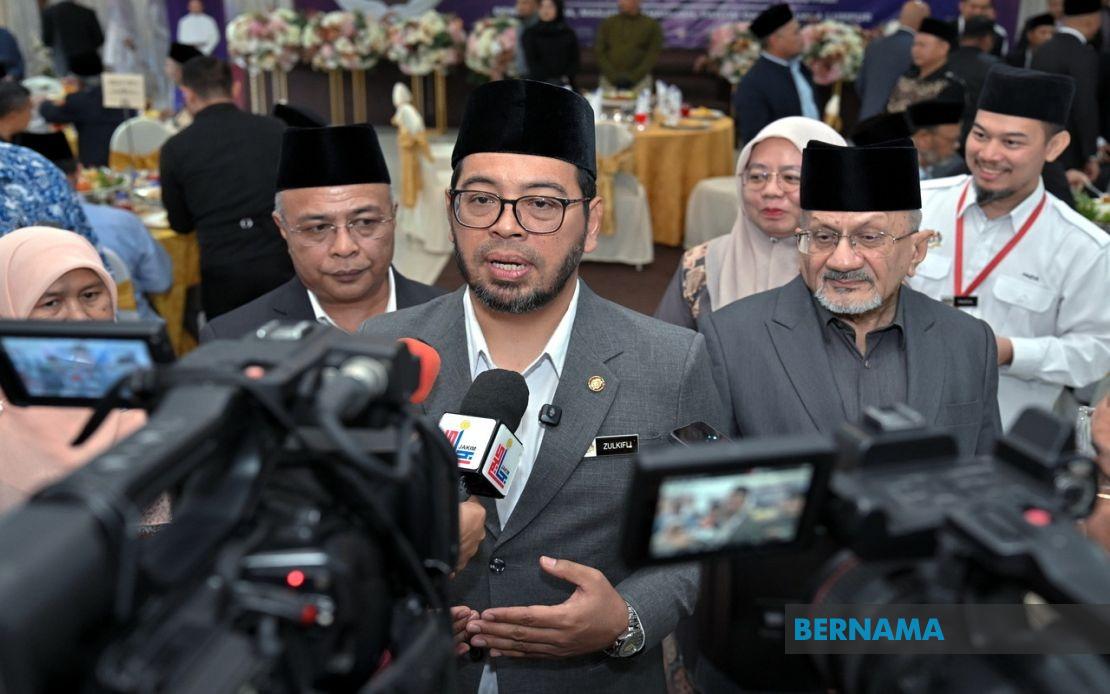
Dr Zulkifli, speaking to media representatives in Kuala Lumpur, emphasized that the initiative represents a long-standing commitment that aligns with the government's broader vision for urban development. The project has been in development stages for a considerable period, and the minister indicated that moving forward demonstrates the administration's dedication to creating infrastructure that serves Malaysia's Muslim communities while contributing to the nation's architectural heritage. The decision underscores how religious institutions continue to occupy important positions within Malaysia's modernizing urban landscape.
The minister framed the Masjid Warisan development within a broader context of religious facility integration in contemporary cities worldwide. He noted that mosques function as essential components of major urban centres globally, and that the Islamic call to prayer represents a source of spiritual tranquillity rather than discord. This perspective challenges narratives suggesting that Islamic religious infrastructure cannot coexist harmoniously with secular commercial development or multicultural urban environments. The positioning of the mosque near the TRX, a symbol of Malaysia's financial aspirations and global integration, reflects the government's view that religious expression and economic modernization need not be mutually exclusive.
Opposition to the Masjid Warisan project has emerged from unspecified parties who have publicly advocated for its cancellation. These critics have raised concerns that the mosque's construction could precipitate social disharmony and generate public dissatisfaction within the Kuala Lumpur metropolitan area. Such objections reflect broader tensions within Malaysian society regarding religious visibility in secular spaces and the appropriate balance between faith-based and commercial developments in the nation's premier financial district. However, Dr Zulkifli's remarks suggest the government views these concerns as manageable through transparent dialogue rather than grounds for project abandonment.
To address public apprehension and provide clarity to concerned stakeholders, Dr Zulkifli directed individuals with questions or reservations about the mosque construction to engage directly with the Federal Territories Islamic Religious Council (MAIWP). This institutional referral reflects the government's preference for managed communication channels and formal religious governance structures to mediate between project proponents and sceptical community members. The approach suggests confidence that substantive dialogue facilitated through established Islamic councils can allay fears and build consensus around the development.
During the same engagement, Dr Zulkifli presided over the presentation of appointment letters to committee members serving the Federal Territories Mosque and Friday prayer surau for the 2026-2029 term at Masjid Al-Khadijah, Kampung Pantai Dalam. This institutional exercise represented a significant administrative undertaking for Malaysia's Islamic religious governance apparatus. The selection process drew from an extensive pool of aspirants, reflecting the depth of community participation in mosque management and religious administrative affairs across the Federal Territories.
The nomination and vetting process for the 2026-2029 committee session proved comprehensive and rigorous. A total of 3,010 nominations were received for positions across 91 mosques and 124 Friday prayer surau operating within the Federal Territories jurisdiction. From this substantial candidate pool, selection officials identified 2,914 individuals deemed suitable for appointment following an integrity assessment process. This filtering mechanism involved collaboration between multiple national institutions, demonstrating the interconnected nature of religious governance and broader government accountability structures.
The integrity vetting process utilised by the religious council incorporated scrutiny from three distinct governmental bodies: the Royal Malaysia Police, the Malaysian Anti-Corruption Commission, and the Insolvency Department. This multi-institutional approach suggests a comprehensive evaluation framework extending beyond conventional religious qualifications to encompass personal probity, financial responsibility, and compliance with criminal justice standards. The involvement of anti-corruption authorities reflects contemporary governance expectations that religious institutional leadership must demonstrate the same standards of ethical conduct required of secular administrative personnel.
The Masjid Warisan project's advancement occurs within Malaysia's ongoing negotiation between religious institutional development and secular urban modernization. Kuala Lumpur continues to position itself as a global financial and commercial hub, a status that requires sophisticated urban planning accommodating diverse community needs. The mosque construction near the TRX represents a statement about how Malaysia envisages religious life integrating within its metropolitan aspirations. For Malaysian and Southeast Asian observers, the project symbolizes whether nations can authentically accommodate both market-driven development imperatives and the spiritual infrastructure requirements of Muslim-majority societies within shared urban spaces.