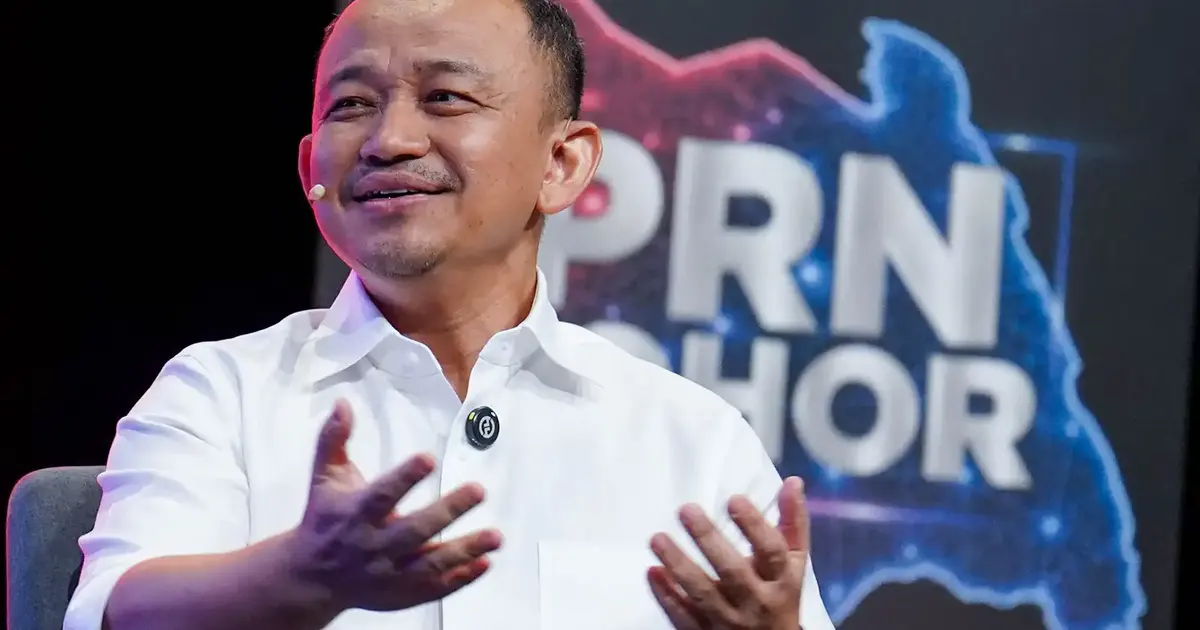
Maszlee Malik, the former education minister under the Mahathir administration, appears poised for a political resurgence following his recapture of the Puteri Wangsa state seat, reversing an earlier setback that saw him lose his parliamentary position. The victory represents a critical turning point for the seasoned politician, whose career trajectory had stalled after his defeat in Simpang Renggam during the 15th general election held last year. This state-level win signals renewed momentum and suggests the Malaysian electorate may be willing to give the politician another opportunity to serve.
The Puteri Wangsa constituency, located within the Selangor region, has traditionally been a closely contested battleground reflecting the broader political dynamics of Malaysia's heartland. The seat had previously been held by Muda, the younger-focused reform party that emerged as a significant electoral force in recent years. That Maszlee managed to wrest control from Muda demonstrates the shifting landscape of Malaysian politics, where established political figures can still reclaim ground against newer competitors, particularly when voter sentiment begins to fracture along different lines.
Maszlee's trajectory exemplifies the volatile nature of contemporary Malaysian politics. During his tenure as education minister, he championed curriculum reforms and modernization initiatives that generated considerable public discussion about Malaysia's educational direction. However, his political fortunes deteriorated significantly during the 2023 general election, when he failed to retain his parliamentary seat in Simpang Renggam. This loss appeared to mark a decline in his political capital, potentially consigning him to the sidelines of Malaysian governance just as he sought to deepen his influence at the national level.
The recovery achieved through the Puteri Wangsa victory should not be underestimated within Malaysian political circles. State-level representation carries substantial significance in Malaysia's federal structure, providing a platform to influence policy decisions and rebuild grassroots support networks. For Maszlee, this seat offers more than symbolic redemption; it provides institutional access and legitimacy as he contemplates his future political direction and potential return to higher office. Many observers will view this development as preparation for renewed participation in federal politics.
Muda's loss of the Puteri Wangsa seat reflects broader challenges the reform-oriented party faces in maintaining electoral momentum. Despite strong performances in previous cycles and the initial enthusiasm surrounding its youth-centric messaging, Muda appears to be experiencing difficulty consolidating support across diverse demographic groups. The party's inability to retain Puteri Wangsa suggests that voter enthusiasm for newer political entrants may be plateauing, with some constituencies reverting to traditional political figures and established organizations that maintain deeper community roots and institutional experience.
For Malaysian readers and regional observers, Maszlee's political resurrection carries implications for the ongoing realignment of Malaysian politics. The country has experienced remarkable electoral volatility over the past decade, with multiple changes in government and significant shifts in voter preferences. The Puteri Wangsa outcome provides another data point in understanding how Malaysian voters balance desires for change against preferences for experienced leadership. This pattern may indicate that the electorate increasingly favors politicians with proven track records of governance, even those whose recent electoral performances were disappointing.
The timing of Maszlee's Puteri Wangsa victory could also influence discussions within Pakatan Harapan, the political coalition that governs Selangor and has been seeking to strengthen its hold over Malaysia's most economically developed state. His presence in the state assembly may enhance the coalition's legislative numbers and provide additional perspective on educational and developmental policies. Alternatively, questions may arise regarding how Maszlee's political future relates to his position within broader governing structures and whether this state seat represents a genuine pathway back to federal prominence or merely a holding position.
Regionally, this development underscores how Malaysian politics continues to operate according to distinctly local dynamics that sometimes defy international expectations about electoral behavior. While many observers might have predicted that a politician losing a parliamentary seat would fade from electoral consideration, the Malaysian system's multi-level structure allows for strategic repositioning. Maszlee's ability to secure the Puteri Wangsa seat demonstrates how carefully calibrated political strategy, combined with existing name recognition and networks, can facilitate recovery from electoral setbacks that appear terminal in the immediate aftermath.
Looking forward, Maszlee's political future likely depends on whether he can translate this state-level victory into sustained electoral performance and policy influence. His education background and previous ministerial experience position him to contribute meaningfully to policy discussions surrounding human capital development, a crucial consideration as Malaysia contemplates its competitive positioning within the region. Whether he ultimately returns to federal politics or consolidates power at the state level remains uncertain, but this Puteri Wangsa victory has definitively reopened possibilities that appeared closed following his 2023 parliamentary defeat.

