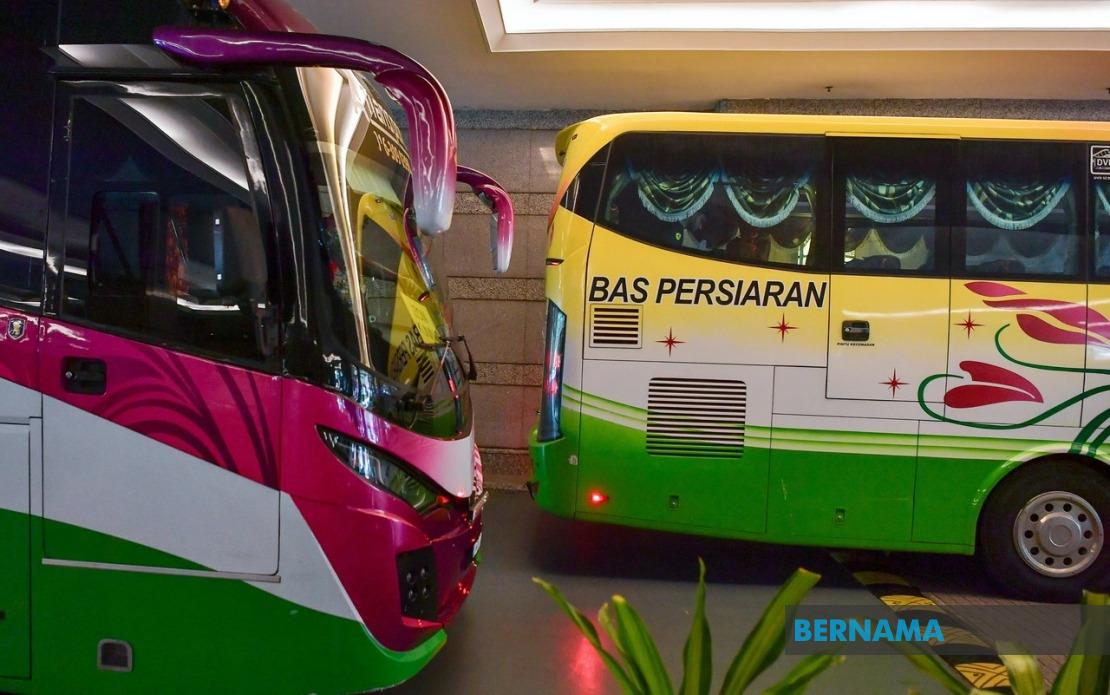
The Malaysian Association of Tour and Travel Agents (MATTA) is mounting a vigorous challenge to the government's recent decision to remove diesel subsidies from licensed tourism transport operators, insisting that the exclusion rests on flawed reasoning and threatens both the competitiveness of Malaysia's tourism sector and the affordability of travel services for ordinary Malaysians.
MATTA president Nigel Wong directly contested characterisations from Finance Minister II Datuk Seri Amir Hamzah Azizan that such subsidies would primarily benefit foreign tourists. In a carefully worded statement, Wong emphasised that licensed tourism vehicles are workhorses serving a diverse clientele spanning domestic holidaymakers, school excursions, corporate team-building activities, religious pilgrimages, educational expeditions and community programmes. The mischaracterisation, according to Wong, reflects a fundamental misunderstanding of how the tourism transport industry functions on the ground and who actually depends on these services.
The economics of the subsidy removal are straightforward and concerning for operators. Eliminating diesel support will directly inflate operational expenses for tourism transport companies, costs that inevitably cascade into higher fares and pricier travel packages for both Malaysian and foreign visitors alike. This represents a significant headwind for domestic tourism participation, which MATTA contends remains price-sensitive among middle and lower-income Malaysian families seeking affordable holiday options within their home country.
Wong articulated a particularly compelling argument about the timing and strategic implications of this decision. As Malaysia aggressively promotes its Visit Malaysia 2026 campaign—a flagship initiative aimed at driving tourism arrivals and boosting the sector's economic contribution—removing cost supports for transport operators appears counterintuitive. The subsidy removal directly undermines one of the key mechanisms that makes tourism affordable and accessible to Malaysian citizens, potentially dampening domestic travel demand precisely when the industry needs to demonstrate robust domestic participation to complement international visitor growth.
The broader economic multiplier effects extend well beyond transportation alone. More accessible and affordable tourism experiences translate into increased foot traffic and spending at hotels, restaurants, retail outlets, cultural attractions and local communities across the country. These secondary benefits ripple through employment in hospitality, food service, retail and ancillary businesses. MATTA's position is that the long-term economic gains generated by sustained and growing tourism activity could substantially exceed the budgetary outlay required to support diesel subsidies for licensed operators.
Crucially, the industry body raised concerns about unintended consequences and market distortions. Higher fares for licensed operators could incentivise cost-conscious consumers—both domestic and some international visitors—to turn to unlicensed transport alternatives, undermining the safety and regulatory standards that the government itself has established. This shift away from regulated service providers creates precisely the kind of informal economy fringe that authorities typically seek to minimise through formal licensing frameworks.
MATTA has outlined a three-part agenda for government reconsideration. First, the Finance Ministry should reverse or substantially modify the exclusion of licensed tourism transport from the diesel subsidy programme. Second, the ministry should engage collaboratively with the Ministry of Tourism, Arts and Culture (MOTAC) and relevant industry stakeholders to design a narrowly tailored, well-governed subsidy mechanism that targets genuine needs without unnecessary leakage. Third, government should formally recognise tourism transport as a strategic economic asset that enables domestic mobility and tourism growth, warranting investment rather than cost minimisation in policy deliberations.
Wong reframed the entire debate in conceptual terms that challenge the Finance Ministry's cost-focused approach. Supporting licensed tourism transport operators, he argued, should be understood as an investment in Malaysia's economic growth, employment capacity and long-term competitive positioning in regional tourism markets. This investment framework contrasts sharply with treating the subsidy purely as an expenditure line item to be reduced.
The dispute underscores deeper tensions within Malaysia's policy framework around subsidy allocation and economic priorities. The Finance Ministry's decision appears to have been made without substantive consultation with MOTAC or the tourism industry itself, suggesting that fiscal consolidation objectives may have overshadowed sectoral development considerations. For Malaysia to meet ambitious tourism targets through VM2026 and beyond, transport affordability and service quality represent foundational enablers, not peripheral amenities.
The timing of MATTA's intervention is strategically important as it highlights how subsidy decisions made in fiscal isolation can have cascading consequences across interconnected economic sectors. Tourism's role as a foreign exchange earner and employment generator—particularly in secondary cities and rural areas—gives it significance beyond traditional tourism ministry portfolios. Regional competitors including Thailand, Vietnam and Indonesia also offer subsidised or tax-advantaged transport for tourism purposes, suggesting that Malaysia's removal of support could disadvantage the country in attracting both domestic and international visitors during peak travel seasons.
Looking ahead, the resolution of this dispute may depend on whether the Finance Ministry can be persuaded to adopt a more holistic assessment of costs and benefits, one that accounts for tourism's multiplier effects and strategic importance to Malaysia's economic diversification and growth objectives. MATTA's push for ministerial coordination between Finance and Tourism could prove instrumental in moving beyond narrowly fiscal calculations toward a more integrated economic development perspective.

