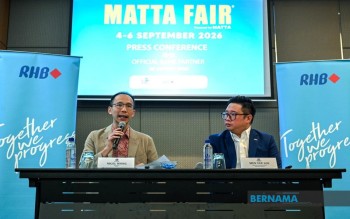
The Malaysian Association of Tour and Travel Agents has presented a comprehensive set of demands ahead of the government's Budget 2027 presentation, with tax relief for operators and enhanced infrastructure spending sitting at the top of its advocacy agenda. Speaking after the MATTA Fair press conference, MATTA president Nigel Wong articulated a vision for budget measures that would energise Malaysia's tourism sector during a critical promotional period. The industry body is banking on legislative support to reinvigorate overseas marketing campaigns and position the country more competitively within the regional tourism marketplace.
Central to MATTA's submission is the case for improved tax deductions targeting tour operators specifically. Wong stressed that such incentives would act as a catalyst for increased promotional spending abroad, directly supporting the Visit Malaysia 2026-2027 drive. The reasoning is straightforward: by reducing the tax burden on tour operators engaged in international marketing activities, the government can effectively subsidise the expansion of Malaysia's tourism footprint across key source markets. This approach aligns with how many regional competitors structure their tourism support mechanisms, suggesting that Malaysia risks falling behind without comparable tax competitiveness.
Beyond tax policy, MATTA is advocating for substantially greater government capital allocation toward tourism infrastructure. Wong pointed to the renovation of the Sultan Abdul Samad Building as a successful precedent, highlighting how targeted investment in iconic properties can deliver tangible returns in terms of brand value and visitor appeal. The MATTA president's remarks suggest that numerous heritage and historical structures across Malaysia remain underutilised from a tourism perspective, languishing without the refurbishment necessary to meet international visitor expectations. This infrastructure gap represents both a challenge and an opportunity—resources directed toward such upgrades could yield disproportionate benefits in terms of visitor satisfaction and repeat visitation.
The push for enhanced promotional funding reflects MATTA's assessment that international marketing efforts remain underfunded relative to competing destinations. The Visit Malaysia 2026-2027 campaign represents a critical window for the country to capitalise on post-pandemic recovery momentum and establish market share among key demographics and geographies. However, without adequate budget allocation, promotional activities risk remaining scattered and undercapitalised. MATTA's advocacy underscores an industry conviction that strategic investment in destination marketing delivers measurable returns through visitor arrivals and spending.
Wong's call for a holistic, whole-of-tourism approach involving municipal councils introduces an important governance dimension to MATTA's budget pitch. The argument centres on ensuring that cities and urban destinations offer visitors safe, walkable environments with functional public amenities. This reflects a shift in tourism industry thinking toward integrated competitiveness—the quality of a destination extends beyond headline attractions to encompass urban safety, cleanliness, transport connectivity, and the overall visitor experience. Malaysian municipalities play a crucial gatekeeping role in shaping these conditions, yet they often operate with limited resources or tourism-specific mandates. MATTA's emphasis on municipal coordination signals recognition that budget measures must cascade across administrative levels to effect meaningful change.
The timing of MATTA's submission carries significance given Malaysia's broader tourism ambitions. The Visit Malaysia 2026-2027 initiative represents a flagship national campaign designed to amplify the country's international visibility and capture market share from competing Southeast Asian destinations. Thailand's sustained dominance of regional tourism, combined with Vietnam's aggressive marketing expansion, underscores the competitive pressure facing Malaysian stakeholders. Budget 2027 will be scrutinised as a bellwether indicating the government's genuine commitment to tourism recovery and growth, with industry observers watching closely to assess whether policy measures match rhetoric.
The sector's willingness to articulate specific, measurable budget demands reflects growing maturity within MATTA's advocacy. Rather than seeking general support, the association has identified discrete policy levers—tax deductions, infrastructure funding, promotional budgets, and governance coordination—that can be implemented through budget legislation. This specificity increases the likelihood of traction with Finance Ministry officials tasked with balancing competing priorities. However, it also raises the bar for MATTA itself, as industry success will be measurable against the concrete budget allocations ultimately delivered.
Infrastructure investment in heritage and historical properties carries broader economic implications for Malaysian regions. Secondary cities and heritage-rich zones often suffer from capital constraints that limit their competitiveness against primary urban centres. Targeted tourism infrastructure spending could catalyse broader economic development, creating employment opportunities and stimulating associated hospitality, retail, and service sectors. This multiplier effect strengthens MATTA's argument for positioning tourism infrastructure as a legitimate claim on government resources, comparable to transportation or manufacturing support.
The connection between municipal governance and tourism competitiveness reflects evolving international best practices in destination management. Cities like Singapore and Bangkok maintain competitive advantages partly through integrated urban planning that prioritises visitor experience. Malaysian municipalities frequently lack dedicated tourism units or budgets, leaving tourism development to chance or private enterprise. MATTA's advocacy for municipal coordination in Budget 2027 implicitly argues for institutional reforms that extend beyond line-item spending to encompass governance architecture.
Finance Minister's scheduled Budget 2027 presentation on October 9 will test whether MATTA's advocacy gains purchase within government decision-making circles. Tourism officials have generally endorsed industry recommendations, but finance portfolios operate under competing pressures from defence, health, education, and infrastructure lobbies. The outcome will illuminate the government's prioritisation of tourism as an economic driver during a period when regional competitive dynamics demand sustained marketing investment and infrastructure modernisation.
Looking forward, MATTA's budget submission represents a strategic moment for Malaysia's tourism industry to reset policy frameworks supporting sector competitiveness. The specific asks around tax deductions, infrastructure funding, and promotional budgets are neither revolutionary nor particularly costly compared to other government expenditures, yet they address genuine structural constraints limiting operator marketing capacity. Whether Budget 2027 incorporates these recommendations will significantly influence the trajectory of Visit Malaysia 2026-2027 and, by extension, Malaysia's competitive positioning within Southeast Asia's tourism landscape.

