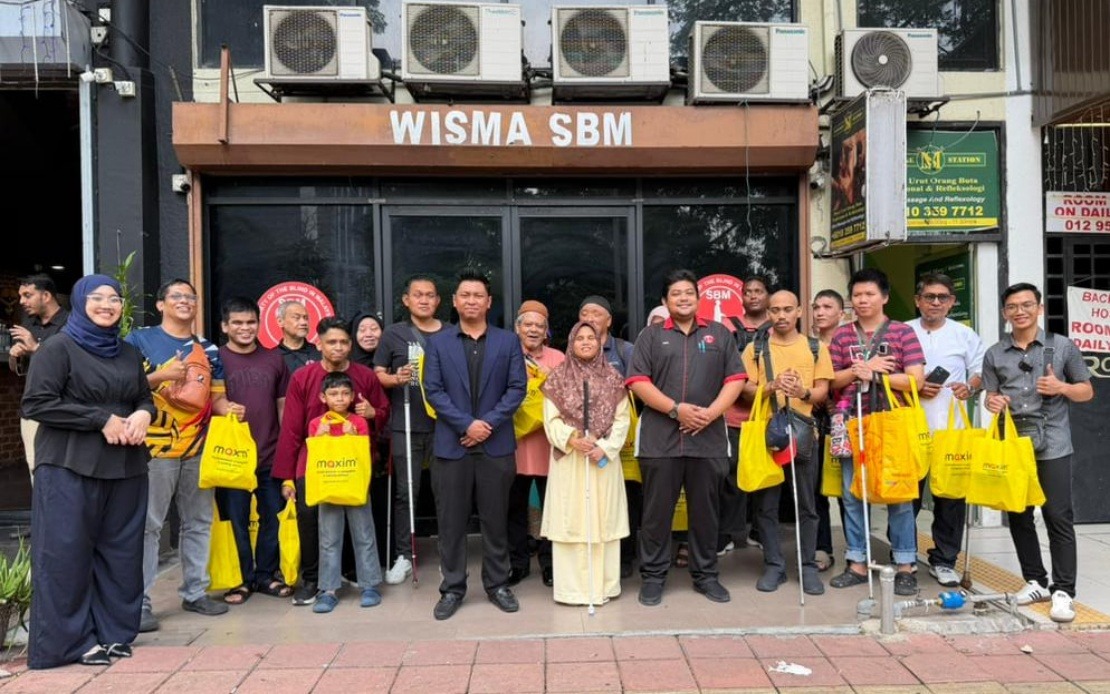
Ride-hailing platform Maxim is intensifying its push to dismantle transportation obstacles facing some of Malaysia's most vulnerable populations, unveiling a comprehensive strategy anchored on wallet-friendly fares, cutting-edge technology, and deep institutional partnerships. The initiative targets persons with disabilities, senior citizens, low-income households, and other marginalised communities that have historically encountered difficulties accessing reliable mobility solutions.
Maxim's Kuala Lumpur regional head, Syed Abdul Syarif Syed Peiaru, framed the initiative as fundamental to the company's broader mission of ensuring equitable access to opportunity across Malaysian society. Speaking through a company statement, he contended that transportation transcends mere physical conveyance—rather, it functions as a critical enabler of self-determination and socioeconomic participation. This philosophical positioning reflects a growing industry recognition that mobility platforms carry social responsibilities beyond profit generation, particularly in emerging and developing markets where public transport infrastructure remains uneven.
The executive emphasised that genuine accessibility encompasses multiple dimensions simultaneously. Beyond simply offering budget-conscious ride options, true mobility inclusion must address the specific operational needs of diverse passenger groups. Syed Abdul Syarif articulated this through concrete examples: ensuring persons with disabilities can reach employment, enabling elderly residents to maintain healthcare appointments, facilitating student access to educational institutions, and connecting rural and underserved communities to essential services. This multi-layered approach distinguishes Maxim's strategy from purely price-based accessibility models, recognising that cost represents only one barrier among many that constrain transportation options for vulnerable populations.
At the technology core of this accessibility strategy sits Maxim's Mesra OKU service, a specialised offering explicitly designed for persons with disabilities. The service incorporates extended driver waiting periods at pickup and dropoff points, allowing passengers additional time for boarding and alighting. Trained driver assistance ensures that journeys proceed smoothly for those requiring support, whilst integrated mobility aid support accommodates wheelchairs, walking aids, and other assistive equipment. Perhaps most innovatively, voice-recognition booking capabilities remove traditional digital barriers, permitting non-sighted or low-literacy users to request rides through audio interfaces rather than touch-based applications. Passengers can flag their accessibility requirements directly within the app, enabling drivers to arrive prepared with appropriate assistance.
Beyond disability-specific services, Maxim has engineered its broader platform architecture to enhance usability across demographic groups. The ride-booking system emphasises transparency, displaying precise fare calculations before confirmation, whilst real-time driver location tracking and digital communication reduce uncertainty and enhance passenger confidence. Such design considerations prove particularly valuable for elderly users who may feel apprehensive about ride-sharing's technological components or for low-income passengers managing tight household budgets where unexpected costs create genuine hardship. The company positions these features as foundational—not optional add-ons—to its core service experience.
Maxim's partnership architecture reveals a deliberate strategy to embed itself within existing support ecosystems serving vulnerable populations. The platform has forged formal collaborations with hospitals, educational institutions, disability-focused NGOs, and other organisations working directly with target communities. These relationships function bidirectionally: Maxim gains insights into genuine passenger needs and service gaps, whilst partner organisations can advocate for transportation solutions among constituencies they serve. Such institutional alignment proves especially significant in Malaysia's context, where government healthcare providers, public universities, and established NGOs command considerable trust and reach among disadvantaged populations.
The Society of the Blind partnership exemplifies this collaborative approach. Through this arrangement, Maxim has promoted TalkBack voice features—accessibility technology developed by major technology companies but underutilised within the ride-hailing context. By actively promoting and training visually impaired users on these capabilities, Maxim addresses both a genuine access barrier and a user awareness gap simultaneously. This partnership catalyses digital literacy development alongside transportation access, multiplying social benefits beyond mobility alone.
Financial mechanisms represent another critical accessibility lever. Beyond standard budget-oriented fare structures, Maxim has introduced specialised pricing schemes explicitly targeted at persons with disabilities and other priority groups. These arrangements move beyond charitable framing toward sustainability: by building loyal customer segments with demonstrated mobility needs, the company creates predictable demand supporting long-term operational planning. Such incentive structures differ meaningfully from sporadic discounts or temporary promotional campaigns, signalling organisational commitment to particular populations rather than opportunistic gestures.
The company's engagement with para-athletes and adaptive sports communities further illustrates the breadth of its accessibility ambitions. Providing transport support for Sarawak para swimmers attending training sessions and competitions addresses a specific but meaningful gap—athletes with disabilities often lack reliable transportation to competitive opportunities, representing a tangible barrier to sporting development and social inclusion. By extending mobility support into this specialised context, Maxim demonstrates that accessibility operates across multiple life domains beyond employment and healthcare.
Maxim's expansionist accessibility agenda reflects broader shifts within Southeast Asian ride-hailing markets. As major platforms mature and competition intensifies, differentiation increasingly rests on service quality, customer loyalty, and social positioning rather than price wars alone. Positioning as the inclusive platform carries reputational benefits, attracts socially conscious investors, and builds resilience against regulatory pressures—particularly given Malaysia's emphasis on inclusive development and social welfare within its medium-term economic planning frameworks. Governments increasingly scrutinise whether ride-hailing platforms exacerbate or ameliorate transportation inequality, with accessibility performance potentially influencing licensing decisions and regulatory treatment.
The stated commitment to ongoing technological refinement based on disability-community feedback signals recognition that accessibility represents an evolving challenge rather than a fixed endpoint. As digital capabilities expand and user populations diversify, new access barriers inevitably emerge—and conversely, new technological solutions create fresh possibilities. This adaptive orientation, grounded in sustained community engagement rather than periodic consultations, suggests genuine organisational learning about accessibility rather than compliance-driven box-ticking.
For Malaysian policy makers and urban planners, Maxim's initiatives highlight ride-hailing's potential role within broader inclusive transportation ecosystems. Rather than viewing e-hailing platforms as competitors to public transport, governments might strategically align ride-hailing accessibility with public mobility objectives—particularly in rural and low-density areas where conventional public transport remains uneconomical. The lessons from Maxim's disability-focused service design and partnership approaches offer templates for encouraging platform-based mobility inclusion across Southeast Asia's diverse urban and suburban landscapes.
Looking ahead, the company pledges continued collaboration with government agencies, healthcare systems, NGOs, and educational institutions to progressively expand accessibility whilst strengthening broader social inclusion. This commitment extends beyond transportation narrowly conceived, positioning mobility as a foundational service enabling or inhibiting individuals' capacity to participate fully in economic, educational, health, and civic life. For millions of Malaysians currently experiencing mobility constraints, the distinction between transportation-as-convenience and transportation-as-access-enabler carries profound real-world implications for opportunity, independence, and dignity.

