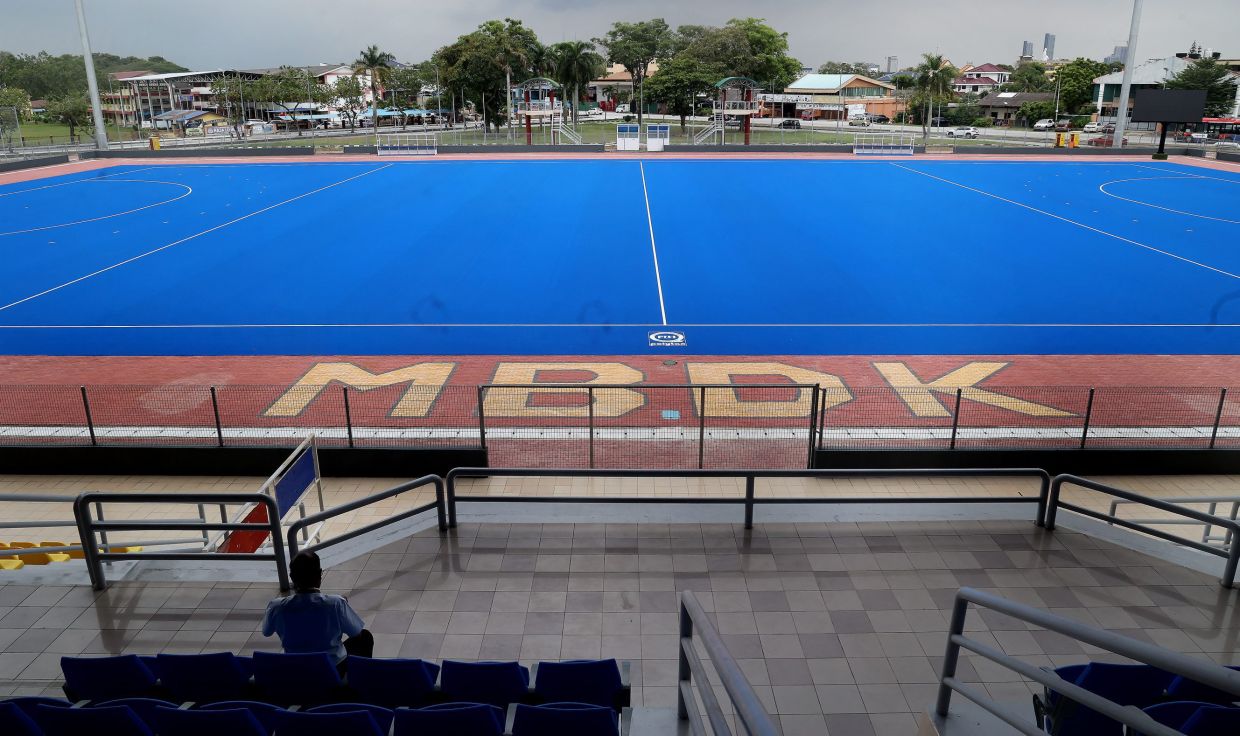
The Klang Royal City Council (MBDK) has announced plans to partner with the Selangor Hockey Association (SHA) in managing and operating the refurbished Pandamaran Hockey Stadium, signalling a strategic shift towards professional sports facility governance in the Selangor state capital. The facility, situated between Jalan Sukma and Jalan Raja Lumu in the Pandamaran area of Port Klang, represents a significant public infrastructure investment that extends far beyond its immediate sporting function. According to Klang mayor Datuk Abd Hamid Hussain, the stadium's role transcends being merely a venue for hockey matches; it serves as a critical municipal asset requiring the highest standards of operational excellence and long-term viability.
The city council's decision to outsource management to SHA reflects a broader recognition that sports facilities demand specialised expertise to ensure sustained performance and community benefit. Datuk Abd Hamid emphasised that the partnership would bring professional management practices, operational efficiency, and forward-thinking sustainability frameworks to the stadium's day-to-day operations. The SHA's appointment signals confidence in the association's technical knowledge and track record within Malaysian hockey governance, positioning the facility to operate at international benchmarks from the outset.
The refurbishment project, undertaken at an estimated cost of RM9 million, has transformed Pandamaran Stadium into a state-of-the-art facility equipped with modern infrastructure befitting international competition standards. The renovation encompasses critical upgrades including a synthetic playing surface meeting global specifications, enhanced drainage systems to manage tropical rainfall, comprehensive floodlighting infrastructure for evening matches, an electronic scoreboard for spectators and broadcast audiences, and upgraded changing facilities alongside supporting amenities for players and staff. The scale of this investment underscores MBDK's commitment to positioning Klang as a serious contender in Malaysia's sports infrastructure landscape.
A soft launch event held at the venue marked the official opening, followed by a test match in preparation for the 22nd Sukma games scheduled to take place across Selangor from August 15 to 24, 2026. The Para Sukma competition will follow immediately thereafter from September 5 to 10, creating a consolidated sporting calendar that will test the stadium's operational capabilities at maximum capacity. These multiday events will serve as a practical demonstration of the facility's readiness to accommodate simultaneous training, preliminary rounds, and championship matches.
Datuk Abd Hamid positioned the financial outlay as a strategic investment rather than conventional expenditure, framing the stadium's development within broader economic and social objectives. The mayor articulated how the facility would catalyse sports development throughout the Klang municipality, enhance community wellbeing through improved recreational access, and generate measurable economic activity through sports tourism and related commercial opportunities. This investment philosophy aligns with contemporary thinking in Malaysian sports policy, which increasingly emphasises how quality facilities attract talent development, international visitors, and commercial partnerships that multiply returns beyond ticket sales.
To operationalise this vision, MBDK has committed to establishing a dedicated stadium management team that will coordinate technical operations, maintenance protocols, security arrangements, promotional campaigns, and booking administration. The creation of this specialised unit reflects the complexity of managing modern sports facilities in Malaysia's tropical climate, where equipment maintenance, weather adaptation, and round-the-clock security demands exceed basic facilities management. Implementing structured, professional procedures across these functions aims to maximise asset lifespan while maintaining competitive readiness.
The stadium has achieved International Hockey Federation (FIH) certification, a credential that represents one of its most significant technical accomplishments and reflects collaborative efforts across all stakeholders involved in the facility's development. This certification, valid through July 2, 2029, confirms that Pandamaran Stadium complies with comprehensive international standards governing playing surfaces, safety protocols, spectator facilities, and broadcast-ready infrastructure. The achievement qualifies the venue to host world-championship tournaments and transmit matches to global television audiences, fundamentally expanding its potential role within Malaysian sports infrastructure.
International recognition carries profound implications for Klang's emerging profile within Asia-Pacific sports geography. The FIH certification positions Pandamaran Stadium alongside the region's premier hockey facilities, enabling Klang to bid for international tournaments previously beyond reach for Malaysian municipalities outside Kuala Lumpur. This opens pathways for hosting continental qualifiers, regional championships, and potentially future Olympic preparation tournaments, each generating substantial economic activity through visitor spending, hospitality services, and commercial sponsorships.
The stadium's international credentials also strengthen Klang's broader sports tourism proposition and its competitive positioning within Malaysia's subnational economic hierarchy. Successful hosting of Sukma 2026 and subsequent international events will attract media attention, foster athlete development pipelines, and potentially inspire private investment in complementary hospitality and training infrastructure. The economic multiplier effects extend beyond direct sports-related spending to encompass accommodation, food services, transportation, and retail commerce concentrated within Port Klang and surrounding communities.
Looking beyond immediate competition timelines, the partnership between MBDK and SHA establishes a governance model that prioritises sustainability and professional accountability. By delegating operational authority to an association with hockey-specific expertise, the council mitigates risks associated with underutilisation, deferred maintenance, and declining facility standards that have plagued some Malaysian sports venues following major events. The SHA's responsibility for ensuring compliance with FIH standards and maintaining certification provides ongoing external accountability that should maintain facility quality across successive seasons and changing administrations.
For Malaysian sports development more broadly, the Pandamaran Stadium project illustrates how municipal governments can leverage major events like Sukma to upgrade community infrastructure while building lasting institutional capacity. The model of engaging specialised sporting associations in facility management represents a potential template for other Malaysian states seeking to optimise returns on sports infrastructure investments. Success in Klang could demonstrate to other municipalities that professional venue management generates better outcomes than traditional council-operated facilities, potentially driving sector-wide improvements in how Malaysia manages its expanding sports infrastructure portfolio.

