The MCA's victory in the Chennah by-election, which resulted in the defeat of DAP incumbent Loke Siew Fook, underscores a fundamental dynamic in Malaysian coalition politics: the party's electoral fortunes are intimately tied to the strength and momentum of its senior partner, Umno. Political observers increasingly recognise that when Umno commands strong grassroots support among Malay voters, this momentum effectively lifts the Chinese-majority party, allowing it to capture contested seats that might otherwise favour opposition forces.
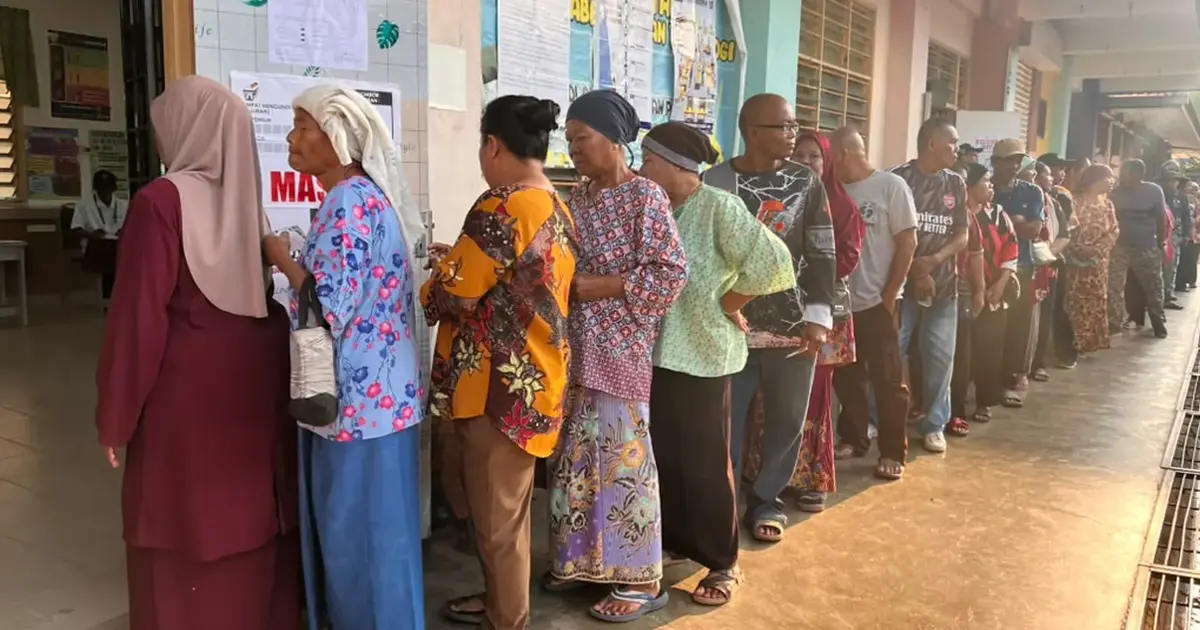
The Chennah contest appears to have followed this pattern closely. Analysts attribute the MCA's success primarily to what observers describe as Malay voters turning out 'in droves' to back Barisan Nasional candidates. This suggests that the underlying driver was not necessarily a groundswell of support for MCA itself, but rather consolidated Umno backing that extended its coattails to the coalition partner. In a three-cornered electoral landscape where Malay support remains the largest voting bloc in most constituencies, this dynamic proves decisive in determining which party ultimately prevails.
This interdependence reflects the structural reality of Malaysian electoral politics, where the Barisan Nasional operates as an ethnically-segmented coalition. The MCA traditionally represents Chinese interests within this framework, while Umno anchors Malay-Muslim support. When Umno mobilises effectively—whether through party machinery, patronage networks, or ideological appeal—the entire coalition infrastructure benefits. Conversely, when Umno's organisation or popularity falters, coalition partners struggle to maintain their own vote share, even in constituencies where their core demographic support might be substantial.
For the MCA specifically, this reliance on Umno presents both opportunity and vulnerability. The party cannot effectively campaign independently of broader coalition messaging or momentum. During periods when Umno faces internal turmoil, faces challenges to its legitimacy, or confronts strong opposition alternatives, the MCA finds its own electoral space contracted, regardless of its local party organisation or candidate quality. The Chennah by-election suggests that when Umno's mobilisation capability is restored—as it appears to be—the MCA benefits from renewed voter confidence in the Barisan Nasional brand and coalition cohesion.
The implications extend beyond electoral mechanics. The Chennah result may signal a consolidation of Malay voter preferences around the Umno-led coalition, potentially reversing years of fragmentation and splitting that allowed opposition parties to advance in many constituencies. If Malay voters are returning in greater numbers to support Barisan Nasional candidates, this reverses a crucial trend of the past decade. The DAP's loss of Chennah, particularly the seat of a relatively prominent figure in Loke Siew Fook, represents a genuine setback for an opposition coalition that had made significant inroads into traditional Barisan Nasional strongholds.
Regional implications merit consideration as well. Southeast Asia's major coalition-based systems in Indonesia and Philippines face similar dynamics, where senior partners can leverage their strength to assist smaller partners. Malaysia's experience offers insights into how ethnically-structured coalitions maintain cohesion during periods of electoral stress. The ability of the MCA to mount competitive campaigns when Umno provides supportive momentum suggests that the Barisan Nasional's organisational framework remains functional despite its period of opposition (2018-2023) and internal strains.
For the MCA as an institution, however, the Chennah victory carries a sobering lesson. The party's relevance in Malaysian politics increasingly depends on external factors—Umno's health and voter sentiment—rather than on its own independent political base. This has long-term implications for party viability and recruitment. Talented politicians may question whether a coalition partner so dependent on senior-partner momentum offers sufficient autonomous power or influence. Over time, this dependency could weaken the MCA's internal institutional strength, even as it wins individual elections.
The by-election also reveals the continued importance of constituency-level mobilisation. That Malay voters turned out 'in droves' indicates effective party machinery, local leadership, and possibly specific local grievances that Barisan Nasional candidates addressed more effectively than opposition rivals. This suggests that despite national-level political trends, local factors—candidate quality, community engagement, and responsiveness to specific constituency concerns—retain significant weight in determining outcomes.
Looking forward, the Chennah result will likely embolden Umno leadership and strengthen the position of those within the coalition advocating for aggressive campaign positioning against the opposition. If this represents a genuine rebound in Malay voter confidence toward the Barisan Nasional, subsequent contests may show similar patterns. However, analysts caution against reading too much into a single by-election. Sustained shifts in voter preference require more than one electoral contest to confirm, and opposition parties retain considerable organisational capacity in many constituencies. The true test will come when fresh general elections are held, where national sentiment, campaign messaging, and candidate deployment across hundreds of constituencies will determine whether Chennah signals a broader coalition resurgence or remains an isolated victory.

