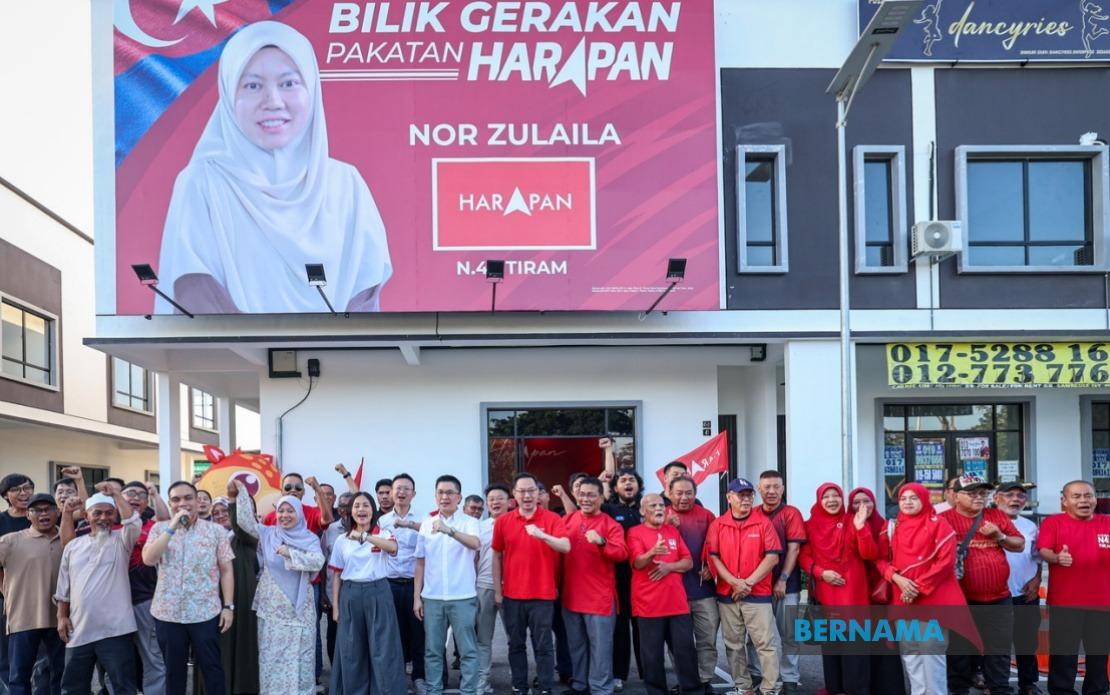
The Malaysian Communications and Multimedia Commission (MCMC) will implement continuous monitoring of internet infrastructure throughout the Johor state election campaign period, with particular emphasis on venues expected to host large gatherings, Deputy Communications Minister Teo Nie Ching announced in Pasir Gudang on Wednesday.
Teo's directive underscores the increasing dependence of modern political campaigns on digital connectivity. As candidates and parties prepare for the July 11 polling day, stable and reliable internet access has become essential for conducting virtual rallies, streaming campaign events, and disseminating electoral information to voters across the state. The telecommunications infrastructure now serves as the backbone for contemporary electoral engagement, reflecting how Malaysian politics has evolved in the digital age.
Speaking at the launch of the Pakatan Harapan operations centre for the N40 Tiram constituency, Teo emphasised that robust connectivity directly contributes to campaign effectiveness and organisational efficiency. Without adequate bandwidth and signal strength, parties would struggle to coordinate large-scale events, manage volunteer networks in real time, and respond swiftly to developments during the campaign period. This technical prerequisite has become as fundamental to modern electioneering as traditional ground operations.
As Johor DAP chief, Teo highlighted that her party has encountered overwhelmingly positive reception during preliminary ground campaigns across the state. Early feedback from constituencies suggests voters are prepared to fulfil their electoral obligations, with many indicating willingness to return to their hometowns specifically to cast ballots on polling day. This voter enthusiasm, if sustained through nomination day on June 27 and early voting on July 7, could influence turnout calculations and seat projections across Johor's 56 constituencies.
The DAP's organisational approach for this election differs markedly from past contests. Rather than concentrating resources on perceived strongholds, the party has adopted a uniform strategy across its 17 contested seats, refusing to designate any as inherently secure. This tactical decision acknowledges that complacency represents a significant electoral risk and that local nuances in each constituency demand customised campaign attention. By distributing focus evenly, DAP hopes to prevent resource wastage and maximise competitiveness in marginal areas.
The party's analysis reveals distinct challenges varying across constituencies, requiring tailored messaging and ground tactics suited to local demographics and concerns. This granular approach contrasts with the traditional method of concentrating campaign expenditure in competitive battlegrounds while maintaining minimal presence elsewhere. For Malaysian opposition parties operating with tighter budgets than their ruling coalition counterparts, such efficiency in resource allocation becomes particularly critical.
Teo's emphasis on internet infrastructure reflects broader trends in Southeast Asian electoral campaigns, where digital platforms have become indispensable tools for voter mobilisation. The Johor contest occurs amid heightened global interest in how emerging democracies navigate the intersection of traditional campaigning and digital engagement. Malaysia's electoral commission and communications regulator face growing expectations to ensure that technological infrastructure supports rather than hinders democratic participation.
The timing of this election—following major political realignments at the federal level and internal coalition shifts—adds weight to the Johor outcome. Strong internet coverage facilitates not only campaign activities but also real-time monitoring of electoral processes and rapid dissemination of official information to counter misinformation. In an environment where social media amplifies unverified claims, reliable access to verified information sources becomes a democratic necessity.
The presence of several senior coalition figures at the Tiram operation room launch—including Deputy Education Minister Wong Kah Woh, Bangi MP Syahredzan Johan, and Tebrau MP Jimmy Puah Wee Tse—underscores the importance Pakatan Harapan places on regaining influence in Johor. The state represents a significant political prize, having swung from opposition control to Barisan Nasional dominance in 2023. For the federal opposition coalition, competitive performance in Johor could provide momentum for future federal contests and signal renewed viability in a key economic region.
With nominations commencing immediately and the compressed campaign period lasting approximately two weeks, parties will heavily depend on rapid information dissemination and coordinate multi-venue activities. Internet disruptions or capacity constraints during peak usage times—particularly during evening rallies or live-streamed events—could measurably impact campaign reach. MCMC's proactive stance therefore carries practical significance beyond bureaucratic routine, potentially influencing which parties can most effectively utilise digital channels to reach voters.
The regulatory framework governing telecommunications during elections remains relatively underdeveloped in Malaysia compared to some established democracies. MCMC's intervention on this occasion sets a precedent for treating internet infrastructure as essential electoral infrastructure deserving formal oversight. This approach acknowledges that digital divides can transliterate into political divides, where candidates with superior connectivity advantages gain disproportionate ability to mobilise supporters.
As Malaysian electoral politics continues absorbing technological change, the Johor contest will likely provide insights into how infrastructure quality affects political competition. Whether MCMC's monitoring efforts achieve their intended effect of ensuring equitable access will offer important lessons for future elections across the federation. The state election thus functions as a pilot case for managing technological infrastructure in electoral contexts—a challenge increasingly common throughout Southeast Asia as digital platforms reshape political communication.

