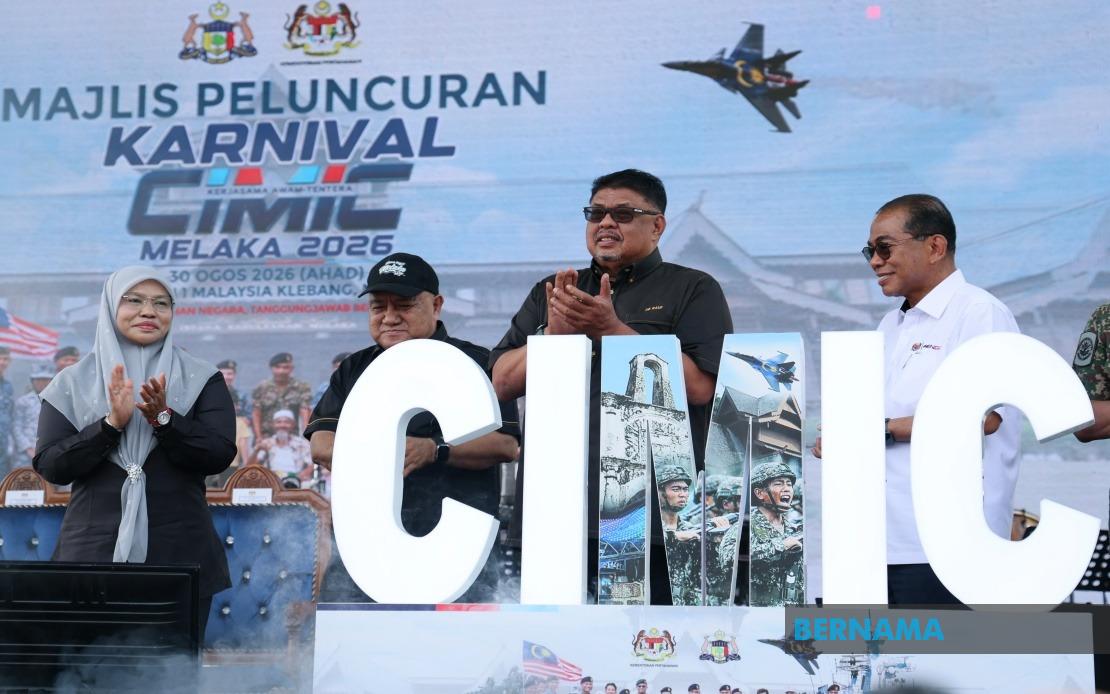
The Malaysian government is actively exploring the feasibility of relocating the prestigious Langkawi International Maritime and Aerospace Exhibition (LIMA) to Melaka in coming years, according to Defence Minister Datuk Seri Mohamed Khaled Nordin. The proposal represents a significant shift in how Malaysia organises its premier aerospace and defence sector showcase, one of the region's most important international gatherings. However, the relocation hinges on major capital commitments to develop Melaka's infrastructure to meet the exhibition's demanding requirements.
Mohamed Khaled outlined the geographic and logistical advantages that make the Klebang area an appealing alternative to Langkawi. The location sits within reasonable proximity to Batu Berendam Airport, facilitating convenient access for international delegations and participants. More critically, Melaka's coastal positioning enables large naval vessels to berth and be displayed, a central feature of LIMA's maritime component. These practical considerations suggest planners have conducted preliminary assessments of what moving the event would entail operationally.
The Defence Minister raised an important strategic consideration underlying the proposal: accessibility challenges that currently limit LIMA's reach. Holding the exhibition in Langkawi, while maintaining its island prestige and international profile, restricts attendance from ordinary Malaysians and regional participants due to travel constraints and associated costs. Relocating to Melaka, positioned at the heart of the Peninsular Malaysia population belt, would dramatically expand domestic participation and create opportunities for wider public engagement with defence technology and maritime innovation. This accessibility argument reflects a government philosophy of making major national events more inclusive beyond their traditional elite audiences.
The initiative emerged organically from a practical demonstration of naval capability during this year's National Day celebrations in Melaka, when six Royal Malaysian Navy ships participated in festivities at the state level. The presence of these vessels highlighted both Melaka's maritime heritage and contemporary capacity to accommodate substantial naval assets, prompting officials to contemplate broader possibilities for hosting major defence-sector events. This ground-level experience appears to have convinced planners that the venue could accommodate LIMA's complex requirements for simultaneous land-based exhibitions, maritime displays, and aerospace demonstrations.
Acknowledging the enormous scope of such an undertaking, Mohamed Khaled emphasised that substantial government investment would be prerequisites before any relocation becomes viable. The biennial exhibition, which attracts defence companies, military delegations, and industry professionals from dozens of countries, demands extensive supporting infrastructure including exhibition halls, parking, accommodation networks, security facilities, and transportation corridors. Melaka's current facilities, while competent for many purposes, would require significant enhancement to meet LIMA's international standards and logistical complexity.
Melaka Chief Minister Datuk Seri Ab Rauf Yusoh expressed qualified support for hosting LIMA, framing the decision as contingent on thorough capacity and economic impact assessments. His measured response reflects the state government's pragmatic approach to major national projects—enthusiasm tempered by recognition that large-scale events demand substantial local resources and expertise. The Chief Minister suggested that discussions regarding site preparation, funding mechanisms, and implementation timelines should proceed through formal federal-state consultations before any firm commitments are made.
Ab Rauf's emphasis on mutual benefit analysis addresses a key consideration in centre-state negotiations over hosting prestigious events. Both tiers of government must weigh the exhibition's direct economic returns—visitor spending, hotel bookings, vendor revenue—against the substantial costs of infrastructure development and event management. For Melaka, successfully hosting LIMA could elevate its international profile beyond its historical tourism appeal, positioning the state as a contemporary hub for defence-sector engagement and technological innovation. Such positioning carries long-term implications for attracting related industries and fostering high-value economic activity.
The proposal also reflects broader patterns in Malaysian governance around decentralising major national events beyond their traditional concentrations in Kuala Lumpur and established venues like Langkawi. Spreading prestigious exhibitions to secondary centres potentially stimulates regional development, creates employment opportunities in different parts of the country, and distributes the economic benefits of large gatherings more equitably. This spatial redistribution aligns with government rhetoric around balanced development and regional equity, though execution invariably proves more complex than planning.
From a regional perspective, LIMA's location matters significantly for Southeast Asian defence professionals and industry participants. The exhibition serves as a crucial marketplace where regional militaries evaluate maritime technology, aerospace innovation, and defence systems. Melaka's more central geographic position within the region could enhance accessibility for delegations from Thailand, Indonesia, Singapore, and other ASEAN members, potentially increasing the event's regional draw. This accessibility dimension extends beyond domestic considerations to influence the exhibition's competitive position relative to similar gatherings in other countries.
The timing of this exploration remains noteworthy, occurring against the backdrop of Malaysia's broader defence modernisation efforts and maritime security priorities. As regional tensions around sea lanes and maritime disputes intensify, showcasing naval capabilities and aerospace technology in Melaka—a location steeped in maritime history and contemporary strategic importance—carries symbolic resonance. The state's positioning along crucial shipping routes and its historical significance as a maritime trading centre could be leveraged to underscore connections between heritage, strategy, and contemporary security concerns.
Moving forward, the proposal requires detailed work across multiple domains. Federal and state authorities must commission comprehensive studies examining infrastructure requirements, financial implications, environmental considerations, and implementation timelines. International LIMA stakeholders, including participating nations and defence contractors, would need consultation regarding venue changes to an event they rely upon for regional outreach. Local communities adjacent to potential exhibition sites would warrant engagement regarding land use, traffic impacts, and other practical considerations.
Ultimately, whether Melaka actually becomes LIMA's home depends on demonstrating that infrastructure investments yield returns commensurate with expenditure, and that the state can absorb the operational demands of hosting a major international exhibition. The exploration phase that has now begun will determine whether this intriguing proposal materialises into concrete plans or remains an aspirational vision. Either way, the government's willingness to contemplate relocating a prestigious event signals openness to reimagining how Malaysia organises and showcases its defence capabilities to international audiences.

