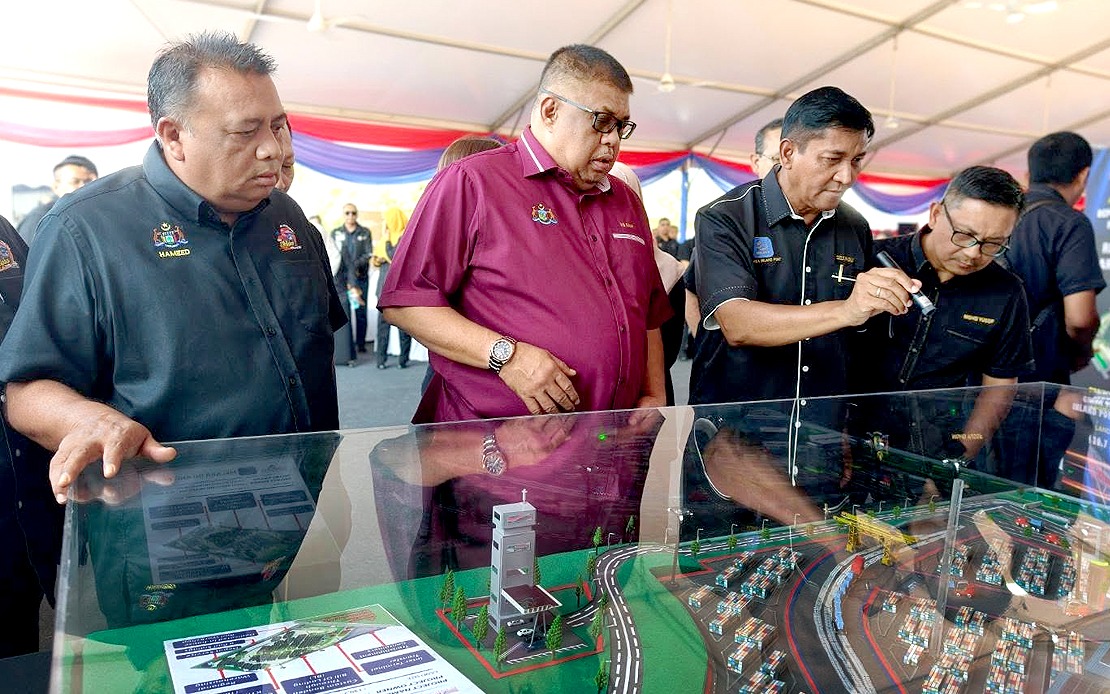
Melaka is moving forward with an ambitious RM129 million road infrastructure initiative designed to fundamentally reshape the state's port connectivity landscape. The proposed 12-kilometre highway will link the Kuala Linggi International Port (KLIP) with Ayer Molek and Kuala Sungai Baru, routing strategically through the Melaka Inland Port (MIP) to create an integrated logistics ecosystem. Datuk Hameed Mytheen Kunju Basheer, who chairs the state's Public Works, Infrastructure, Public Facilities and Transport Committee, outlined the vision during ceremonies marking the MIP groundbreaking, emphasising how the interconnected network would amplify the efficiency gains from the inland port's operations.
The timing of this announcement reflects Melaka's recognition that modern port logistics depends less on individual facilities and more on seamless multimodal connectivity. Rather than competing as isolated transport hubs, the three port facilities—KLIP, MIP, and the existing Tanjung Bruas Port—will function as nodes within a unified network. This strategic integration mirrors successful port clusters in Singapore and throughout the regional shipping industry, where road infrastructure quality directly correlates with the ability to attract cargo operators and shipping lines seeking reliable transit corridors.
One of the most compelling aspects of this project is its capacity to halve current logistics travel distances. Journey times between port facilities currently stretch to 28 kilometres; the new road will compress this to approximately 12 kilometres. For logistics operators managing tight schedules and narrow profit margins, such distance reduction translates into tangible cost savings through reduced fuel consumption, faster container turnaround times, and improved vehicle utilisation rates. These efficiencies cascade through the supply chain, benefiting manufacturers, importers, and exporters across Melaka and neighbouring states who depend on port infrastructure.
The Works Ministry is currently handling the design phase, with competitive tendering and contractor selection processes anticipated to commence in 2025. This phased development timeline reflects careful planning rather than rushed implementation, allowing for proper engineering assessment and cost management. The government's deliberate approach suggests confidence in the project's strategic importance, warranting thorough preparation before embarking on construction activities that will impact regional traffic patterns and logistics operations.
Beyond the primary 12-kilometre connector, the Melaka government is pursuing complementary upgrading work on existing routes. The Tangga Batu to Sungai Udang corridor, which feeds into the Tanjung Bruas Port, is scheduled for widening to accommodate expanding cargo volumes and modern articulated vehicles. These supporting improvements ensure that the new infrastructure integrates smoothly with existing networks rather than creating bottlenecks at connection points—a common pitfall in regional port development projects.
Another component involves constructing a fresh six-kilometre road from Telok Gong through Kampung Pulau to Paya Lebar, budgeted at RM49 million. This route will funnel traffic directly from port areas into the MIP complex while deliberately bypassing traditional villages, reducing community disruption and environmental impacts. The Paya Lebar to Kampung Pulau section is advancing through the quotation phase, while the Kampung Pulau to Telok Gong segment remains in design. Expected completion by 2028 or 2029 would deliver the full integrated network within a reasonable timeframe for modern infrastructure projects of this scale.
Melaka Chief Minister Datuk Seri Ab Rauf Yusoh's presence at the MIP groundbreaking ceremony underscores executive commitment to positioning the state as Southeast Asia's emerging logistics hub. Melaka's geographic position on the Strait of Malacca—one of global shipping's most critical chokepoints—gives the state natural advantages, but competitive advantage requires translating geographic fortune into superior infrastructure and operational efficiency. The port connectivity initiative represents exactly this kind of strategic infrastructure investment necessary to attract international logistics operators seeking reliable alternatives to congested Singapore and Port Klang facilities.
For Malaysian manufacturers and traders, particularly those in automotive, electronics, and specialty chemicals sectors, enhanced port connectivity offers tangible commercial advantages. Faster cargo clearance, reduced logistics costs, and improved supply chain predictability strengthen competitiveness in regional and global markets. Small and medium enterprises operating within Melaka and surrounding states can increasingly leverage professional logistics services that the expanded port cluster will attract, substituting external logistics providers with local, responsive alternatives.
The broader regional context matters considerably. As Southeast Asian trade volumes continue expanding and supply chain investments shift inland from overconcentrated coastal hubs, multiple ports developing integrated infrastructure gain relative advantage. Thai ports, Indonesian facilities, and Vietnamese terminals are all pursuing similar port-cluster development strategies. Melaka's proactive approach ensures the state remains competitive in this dynamic environment, particularly as multinational manufacturers redistribute production networks across the ASEAN region seeking diversification beyond China and pandemic-resilient supply chains.
Environmental and community considerations also factor into the project design. The deliberate routing through the MIP complex rather than scattering new corridors across the state consolidates logistics traffic into designated zones, containing cumulative impacts and reducing sprawl. Bypassing traditional villages on the Telok Gong to Paya Lebar route demonstrates planning that balances development with community quality-of-life concerns—an increasingly important factor in gaining public support for major infrastructure initiatives across Malaysia.
Looking forward, the RM178 million combined investment (RM129 million plus RM49 million) represents substantial commitment to logistics infrastructure in a single state. This expenditure level indicates that Melaka and the federal government recognise the sector's strategic importance to national economic competitiveness. As regional trade increasingly consolidates around efficient port clusters rather than individual facilities, Melaka is positioning itself as an integrated logistics ecosystem capable of capturing market share from competitors across Southeast Asia.

