Melaka has recorded 277 workplace accidents across multiple industries during the opening half of 2026, with incidents ranging from temporary to permanent disabilities. The figure, released by the state's Department of Occupational Safety and Health, underscores the continuing challenges facing employers and workers in maintaining safe operating environments. Three fatal accidents were also documented during the same period, with two deaths in the construction sector and one in manufacturing—highlighting the persistent risks within Malaysia's heavy industries.
Ramesh Zakir Shamsul, director of Melaka's DOSH, characterised the accident rate as remaining relatively controlled despite the notable numbers. His cautiously optimistic assessment reflects the complexity of workplace safety management in a state with diverse economic activities, from traditional manufacturing to modern service industries. Yet the three deaths serve as a stark reminder that statistical improvements do not necessarily translate to comprehensive workplace protection. The concentration of fatalities in construction and manufacturing suggests these sectors warrant heightened scrutiny and intervention from regulators and industry bodies alike.
Under Malaysia's Occupational Safety and Health Act 1994, employers face a clear legal obligation to report all workplace incidents and submit to thorough investigations by DOSH officials. This statutory framework, now three decades old, forms the backbone of occupational safety enforcement across the country. Ramesh Zakir emphasised that DOSH maintains continuous oversight of industrial operations to verify compliance with established safety protocols. The emphasis on employer accountability reflects a regulatory philosophy that places primary responsibility on management to create and maintain safe workplaces, rather than treating safety as an ancillary concern.
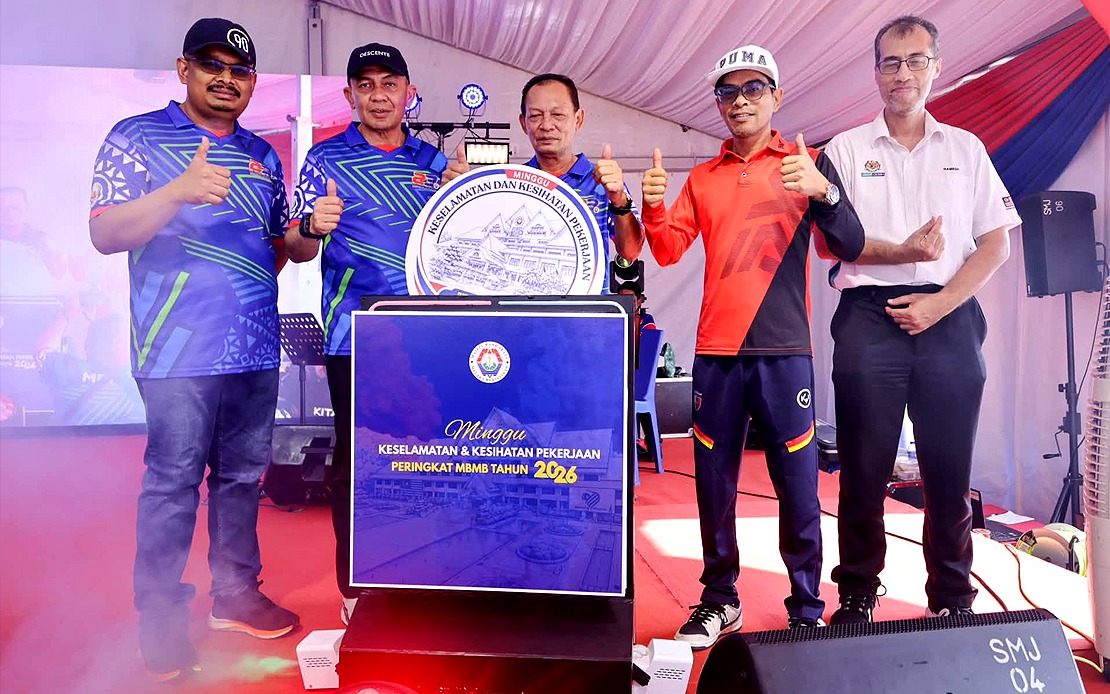
The announcement coincided with the launch of Melaka Historic City Council's 2026 Occupational Safety and Health Week, an annual initiative designed to elevate public awareness and reinforce safety messaging across the state. The event, officiated by state deputy senior executive councillor Datuk Zulkiflee Mohd Zin, brought together key stakeholders including Mayor Datuk Shadan Othman and Ahmad Jailani Mansor, DOSH's deputy director-general for occupational health. Such coordinated celebrations represent an attempt to institutionalise safety consciousness and transform it from a compliance checkbox into an embedded cultural value within workplaces.
DOSH's collaborative approach with employers, local authorities, and municipal bodies represents a recognition that workplace safety cannot be achieved through regulation alone. The agency has been organising workshops and talks across Melaka to educate stakeholders on best practices and emerging hazards. This collaborative model distributes responsibility beyond the regulator, acknowledging that employers possess greater day-to-day knowledge of their operations than any government agency. For Melaka's employers, participation in such programmes can also serve practical purposes: demonstrating commitment to safety may reduce insurance premiums and enhance corporate reputation among discerning clients and investors.
The role of local government bodies like Melaka Historic City Council extends beyond ceremonial endorsement. Ramesh Zakir highlighted how MBMB has actively promoted occupational safety through its own programming and institutional partnerships. This multi-level governance approach reflects Malaysia's federal structure, where occupational safety coordination involves federal DOSH headquarters, state-level implementation, and municipal engagement. For businesses operating in Melaka, this distributed responsibility framework means safety expectations cascade through multiple regulatory tiers, creating both opportunities for comprehensive oversight and potential for regulatory fragmentation if coordination breaks down.
The construction and manufacturing sectors' prominence in Melaka's fatal accidents aligns with national patterns. Both industries employ large workforces performing inherently risky tasks—handling heavy machinery, working at heights, and managing chemical or thermal hazards. Construction's concentration in building development and infrastructure projects makes seasonal fluctuations in accident rates inevitable. Manufacturing, whether traditional or modern, presents continuous exposure risks. That Melaka authorities identified these sectoral vulnerabilities suggests at least some targeting of prevention efforts, though whether resources match the scale of risk remains unclear from available data.
For Malaysian employers and workers more broadly, Melaka's experience offers important lessons. The relatively manageable accident rate does not necessarily indicate exceptional safety performance; it may instead reflect effective reporting mechanisms, demographic factors, or industrial composition. Conversely, three deaths within six months in a state of approximately 900,000 people suggests that occupational fatality risk remains a genuine, not theoretical, concern. Workers considering employment in Melaka's construction or manufacturing sectors would be justified in scrutinising their prospective employer's safety record and asking pointed questions about incident prevention systems.
The broader implication for Southeast Asian labour markets concerns the role of regulatory compliance versus cultural transformation. Malaysia's comprehensive occupational safety legislation and dedicated federal agency provide advantages over some neighbouring jurisdictions. Yet enforcement effectiveness depends on sustained commitment and adequate resourcing. As Malaysia's economy diversifies and technological change introduces novel hazards—from digital work-related stress to emerging chemical exposures—regulatory frameworks require continuous updating. Melaka's reported accident figures suggest the current system detects and documents incidents; whether it prevents them effectively remains a more challenging question.
Looking forward, Melaka DOSH and its municipal partners face the challenge of translating awareness-raising events into genuine behaviour change among employers and workers. Safety weeks, while valuable, represent annual occasions rather than sustained interventions. The true measure of success will emerge in subsequent reporting periods, when authorities can assess whether the 277 accidents recorded in the first half of 2026 represent a trend line that continues, declines, or accelerates. Meaningful reduction will require moving beyond compliance and celebration toward genuine cultural embedding of safety as a core operational value across all Melaka's industries.

