Meta is currently fighting a coordinated legal assault from 29 American states accusing the technology giant of deliberately engineering its products to ensnare children while harvesting their personal information and deceiving the public about these practices. The trial, which entered its second week on August 24, is projected to continue through late September and represents one of the most significant regulatory challenges the social media behemoth has faced in the United States. At the centre of the dispute are design choices and business practices that regulators argue prioritise user engagement and advertising revenue over the safety and wellbeing of young people.
Lawyers representing state governments have zeroed in on the company's much-publicised teen protection mechanisms, specifically two features called Take a Break and Quiet Mode. These tools, introduced in 2021 and 2023 respectively, were presented to regulators and the public as meaningful safeguards designed to curb excessive screen time and late-night usage among adolescents. However, evidence presented during the trial has cast serious doubt on their actual effectiveness and reach, suggesting they functioned more as public relations exercises than genuine protective measures.
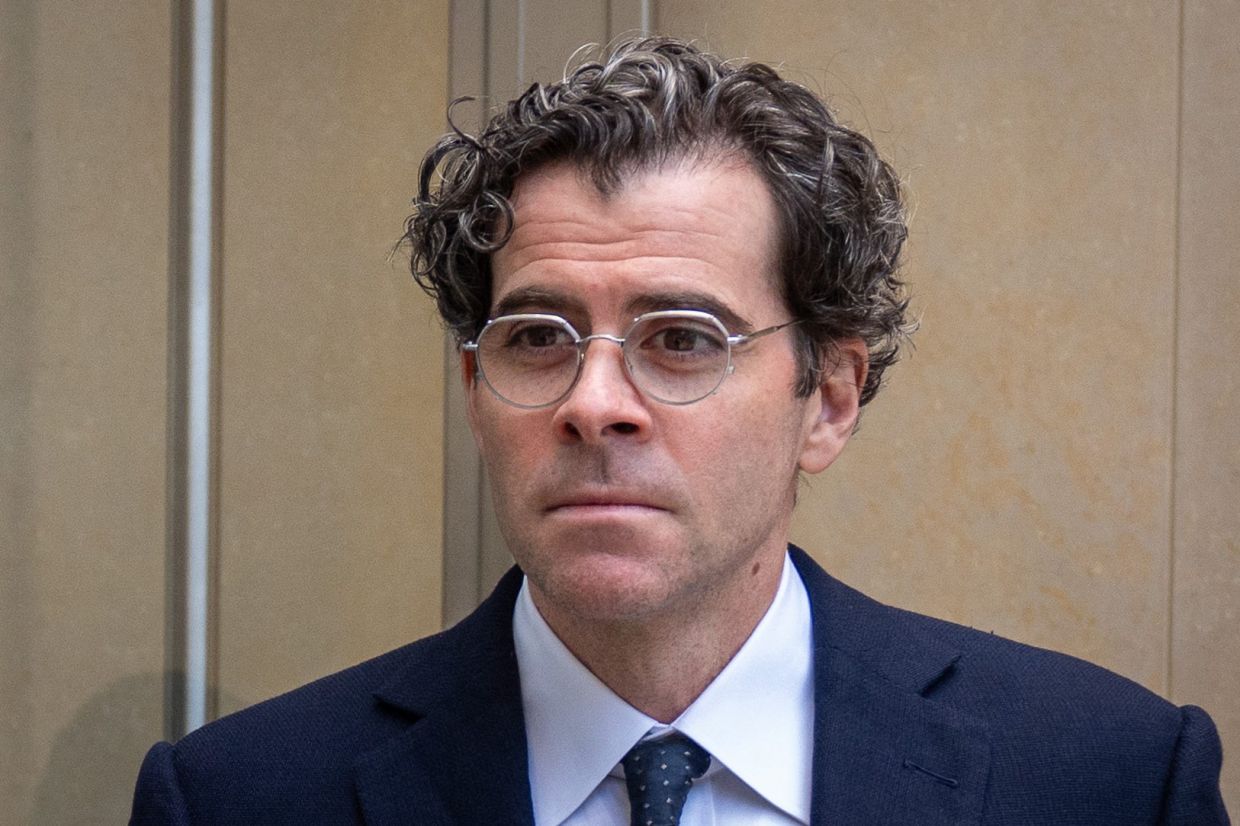
Adam Mosseri, who heads Instagram, came under intense scrutiny from Colorado Attorney General's lawyer Jason Slothouber regarding the exceptionally limited uptake of these safety mechanisms. When confronted with data about their poor performance, Mosseri conceded that the features had achieved disappointing usage levels, though he attempted to reframe the conversation by claiming that adoption figures had subsequently improved. His testimony marked a significant acknowledgment that the tools had failed to gain meaningful traction among their intended audience of teenage users.
The disconnect between public claims and internal reality became starkly evident when examining Meta's own communications. On December 8, 2021, just one day after Mosseri testified before Congress about social media's harms to young people, Meta published a blog post authored by Mosseri himself promoting these new safety features. The post cited data suggesting that "once teens set the reminders, more than 90% of them keep them on." However, this statistic obscured a critical detail: it only measured the behaviour of teenagers who had already activated the feature, completely ignoring the vast majority of users who never enabled it in the first place.
When pressed about whether Meta had disclosed the alarmingly low initial adoption rates to the public, Mosseri admitted the company had not. Internal Meta documents revealed during court proceedings on August 25 showed the true scope of the problem. Take a Break, designed to prompt users to pause their scrolling, achieved adoption among merely 1.8 percent of accounts. Quiet Mode, which suppresses notifications during late evening hours, fared somewhat better but still disappointing at 8.7 percent adoption. These figures represent a fundamental failure of the tools to make any substantial impact on how teenagers actually used Instagram.
Francesco Fogu, Meta's director of product design at Instagram, testified that he was unaware of these damning statistics when questioned by state lawyers on August 25. However, he did concede that the company fully anticipated adoption would remain extremely low unless the features were automatically activated by default. This admission is particularly revealing because it demonstrates Meta understood the problem and possessed the technical means to resolve it, yet chose not to do so. Judge Yvonne Gonzalez Rogers, who will render the final verdict with guidance from the jury, appeared visibly shocked that Fogu was not informed of the company's own internal performance data.
Meta subsequently implemented changes in 2024 by making these safety features default settings within its new Teen Accounts offering, which incorporate parental controls. However, when asked whether Meta had disclosed what percentage of teenage users actually had parental controls enabled, Mosseri could not recall any such disclosure. This pattern of partial implementation and incomplete transparency has characterised Meta's approach to teen safety throughout the litigation, raising questions about whether the company's motivation stems from genuine concern or merely from legal and regulatory pressure.
Two individuals who previously worked at Meta provided corroborating testimony that fundamentally challenged the company's narrative about these protective tools. Arturo Bejar, a former engineering director, stated bluntly that Take a Break was "a feature that's designed to fail." George Volichenko, a data scientist who worked on safety features between 2022 and 2023, characterised adoption rates as "very low and disappointing" and likened their impact to merely "a drop in the ocean." Both witnesses testified that Meta's leadership appeared indifferent to substantially increasing the utilisation of these features among teenagers.
Volichenko's testimony illuminated the underlying business tension that has likely influenced Meta's decision-making. He explained that leadership rejected turning on Quiet Mode by default for younger adolescents, partly because the feature was positioned in the app in locations where users were unlikely to discover it easily. The critical revelation, however, concerned the motivation behind this choice: implementing these safety features as defaults would have caused a "notable negative impact" on overall user engagement. This acknowledgment exposes a fundamental conflict between Meta's professed commitment to teen safety and its actual commercial incentives.
Meta's entire business model depends on maximising the time users spend within its platforms, since revenue generation relies predominantly on selling advertising space to companies seeking to reach highly engaged audiences. The longer teenagers remain active on Instagram, the more valuable the advertising inventory and the greater the potential revenue. This structural incentive creates an inherent tension with implementing robust time-limiting features, even if such features would genuinely protect young people from excessive usage patterns that research increasingly links to mental health concerns including anxiety, depression, and problematic social comparison.
The trial outcome carries profound implications that extend well beyond Meta itself. If the company is convicted, the 29 states are seeking approximately US$200 billion (RM805.46 billion) in penalties. More consequentially, a court judgment against Meta could force the company to fundamentally restructure its business model and operating practices. Such a precedent would send significant shockwaves throughout the technology and social media industry, potentially prompting comprehensive reassessments of how major platforms design features, set defaults, and balance engagement metrics against genuine user protection. For Malaysian and Southeast Asian platforms and technology companies, the case underscores the growing global momentum toward holding digital giants accountable for impacts on young users.
Mosseri is scheduled to continue his testimony on August 26, and Meta's founder and CEO Mark Zuckerberg is also expected to testify at some point in the proceedings, though the timing remains uncertain. As the trial progresses, more internal documents and whistleblower testimony will likely emerge to further illuminate the gap between Meta's public statements about teen safety and its actual corporate priorities.

