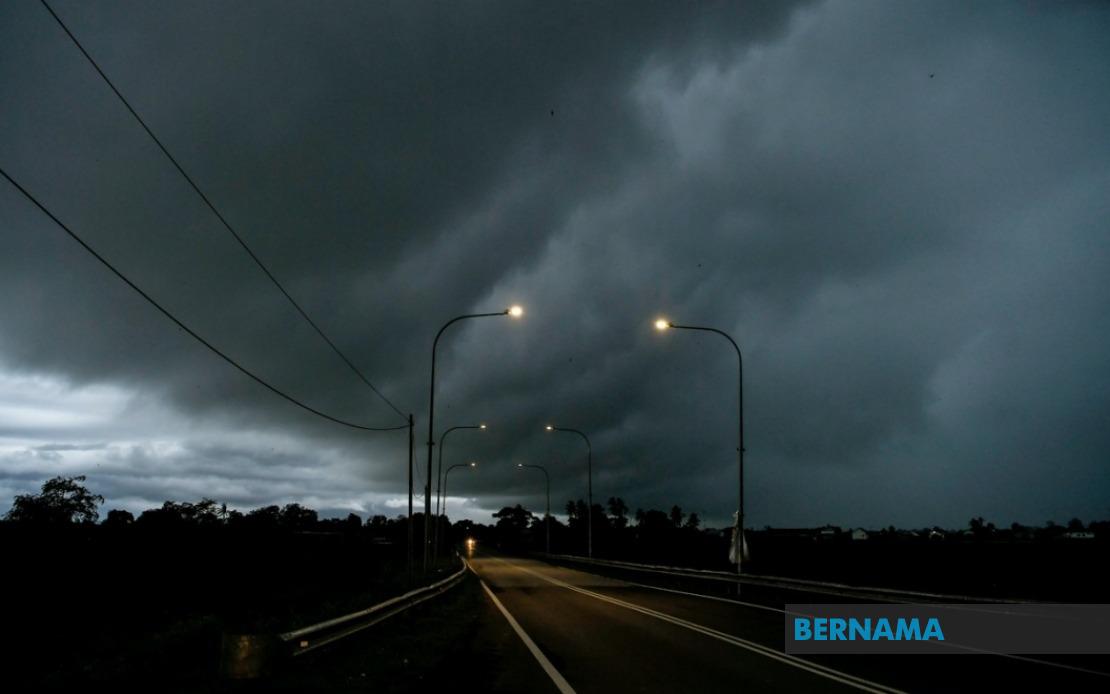
Malaysia's meteorological authority has issued an urgent weather alert as a system of thunderstorms and heavy rain begins sweeping across multiple regions of the country. The Malaysian Meteorological Department released the warning on July 7, cautioning residents and commuters in seven states to prepare for potentially hazardous conditions that are expected to persist until the close of the day. The alert encompasses a broad geographical area spanning the peninsula as well as significant portions of the East Malaysian states, reflecting the scale and severity of the incoming weather system.
On Peninsular Malaysia, the full state of Melaka has been placed under the weather alert, indicating that residents across all districts should brace for thunderstorms and associated phenomena. In Terengganu, the warning applies specifically to seven districts: Setiu, Kuala Nerus, Hulu Terengganu, Kuala Terengganu, Marang, Dungun, and Kemaman. These areas, which span both the northern and central portions of the state, encompass coastal and inland communities that may experience particularly intense rainfall given their geographical positioning relative to the approaching system.
The warning extends to central Peninsular Malaysia, where residents in Jerantut and Bera districts in Pahang should prepare for severe weather. Negeri Sembilan is similarly affected, with the alert covering Jempol and Tampin. In southern Johor, an extensive stretch of territory faces the incoming conditions, affecting the districts of Tangkak, Segamat, Muar, Batu Pahat, Kluang, and Pontian. This concentration of alerts in Johor suggests that the southern corridor of the peninsula may experience some of the most significant impacts from the weather system.
Beyond the peninsula, Sarawak faces multiple threats across geographically dispersed areas. The coastal districts of Sarikei and Sibu in the western region are in the alert zone, as is Limbang in the far north. Additionally, Song district within Kapit Division has been included in the warning. The alert also extends to Pusa, Saratok, and Kabong areas within Betong Division, indicating that both developed and remote communities across the state require precautionary measures. This wide distribution of affected areas underscores the scale of the meteorological system affecting the region.
Sabah's warning coverage includes Sipitang in the Interior Division, and extends to the eastern portion of the state, where Sandakan and the Tawau Division districts of Tawau, Kunak, and Lahad Datu have been placed under alert. These communities, which include both urban centres and smaller settlements, should expect thunderstorms capable of producing heavy downpours and potentially damaging winds. The inclusion of such diverse regions—from coastal areas to inland districts—suggests that MetMalaysia's meteorologists have identified a significant weather system with broad impact potential.
Thunderstorms of this magnitude pose multiple hazards that warrant public attention and preparedness. Heavy rainfall can rapidly overwhelm drainage systems and cause localized flooding, particularly in low-lying areas and urban zones where infrastructure may struggle to manage sudden water surges. The strong winds accompanying such systems can topple trees, damage structures, and create hazardous conditions for drivers and pedestrians. For those engaged in outdoor activities or essential work, conditions could become dangerous within a relatively short timeframe as the system develops.
The timing of this alert—extending until midnight—provides a window for residents and authorities to implement protective measures. The warning covers a critical period that includes evening hours when traffic volume typically increases and visibility may already be compromised by darkness. Commuters returning home during this timeframe should exercise particular caution, as wet roads combined with reduced visibility and strong gusts create elevated accident risks. Emergency services across the affected states are likely already positioning resources to respond to potential incidents.
The geographical spread of this alert reflects broader weather patterns affecting Southeast Asia during the monsoon season. The concentration of warnings across the east coast of Peninsular Malaysia and portions of East Malaysia is consistent with typical wet season activity when moisture-laden systems track across the region. For residents and businesses in these areas, such alerts have become increasingly routine, though each system presents distinct risks depending on local topography and existing drainage conditions.
MetMalaysia's decision to issue this alert demonstrates the importance of the department's monitoring and forecasting capabilities in safeguarding public welfare. Residents in the affected areas who receive and heed such warnings can take concrete steps—securing loose outdoor items, checking drainage around homes, avoiding unnecessary travel, and staying informed through official channels—that can meaningfully reduce exposure to severe weather impacts. The public is encouraged to monitor MetMalaysia's official channels for updates as conditions develop throughout the evening.

