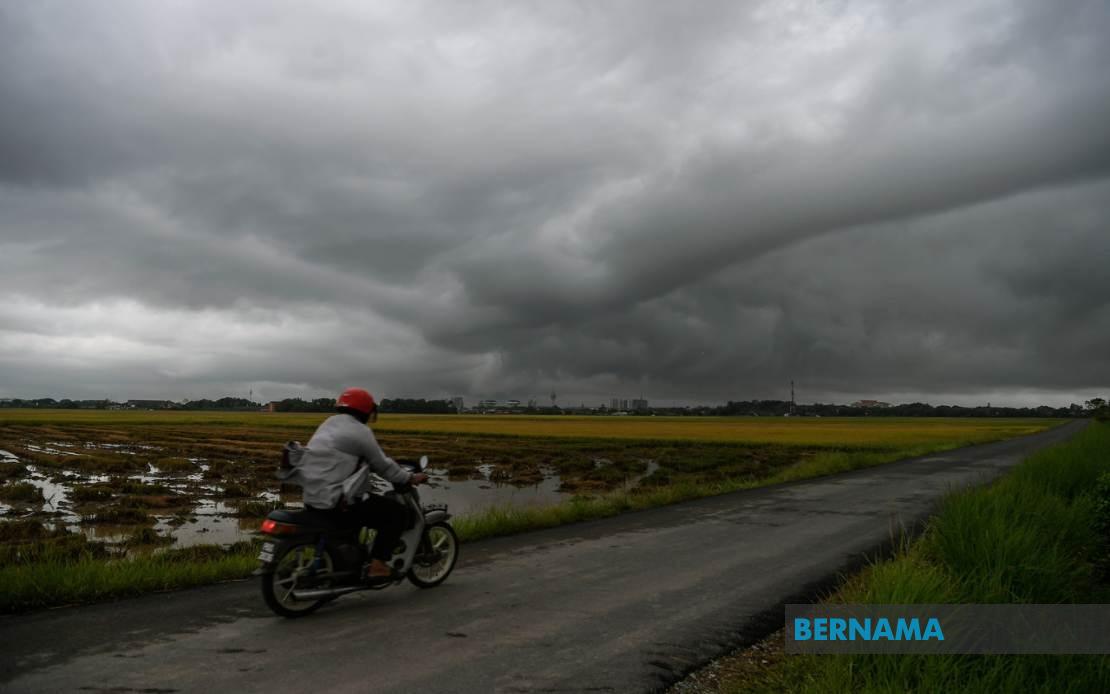
The Malaysian Meteorological Department issued a widespread alert on July 15 cautioning residents across multiple regions to prepare for severe weather conditions, including thunderstorms, intense rainfall and gusty winds expected to persist until 9 pm. The advisory covers vast swathes of Peninsular Malaysia alongside East Malaysian states and federal territories, prompting authorities to recommend heightened vigilance among affected communities.
In the northern peninsula, residents in Kedah should brace for difficult conditions in Kuala Muda, Baling, Kulim and Bandar Baharu. Neighbouring Penang faces similar threats across the Northeast district alongside all three Seberang Perai administrative divisions—Utara, Tengah and Selatan—creating a significant area of concern across the state's geography.
Perak's extensive landmass experiences considerable vulnerability during such weather patterns. The warning encompasses Kerian, Larut, Matang and Selama, Hulu Perak, Kuala Kangsar, Kinta, Kampar and Batang Padang, reflecting the department's assessment that virtually no district in the state would escape the approaching system. Additionally, the entire state of Kelantan faces the same meteorological threat, warranting comprehensive preparedness across the east coast.
Terengganu's coastal and inland districts remain at risk, with Besut, Hulu Terengganu, Kuala Terengganu, Marang, Dungun and Kemaman all included in the alert zone. This distribution suggests the weather system would affect both populated urban centres and remote areas with equal intensity. Across the border in Pahang, elevated regions including Cameron Highlands alongside lower-lying districts such as Kuantan, Pekan and Rompin face severe conditions, with Lipis and Jerantut similarly affected.
Southern Johor experiences particular exposure given its geographic positioning and dense population concentration. Eight districts warrant specific mention—Tangkak, Segamat, Muar, Kluang, Mersing, Kulai, Kota Tinggi and Johor Bahru—encompassing agricultural hinterlands, coastal communities and the state's principal urban agglomeration. Such comprehensive coverage underscores the severity of the anticipated weather pattern.
East Malaysia faces equally significant threats despite lower population densities. In Sarawak, warnings target Sibu and Mukah encompassing the coastal communities of Matu, Dalat and central Mukah town, alongside Kapit's Song district, Bintulu's Tatau area, and Miri's divisions including Beluru, Miri proper and Marudi. These regions rely substantially on maritime activities and river transport, making sudden severe weather particularly hazardous.
Sabah's interior and west coast divisions confront comparable dangers. The Interior Division warnings focus on Sipitang, Kuala Penyu, Beaufort and Tambunan, while the West Coast faces threats in Papar, Penampang and Ranau. The Federal Territory of Labuan, despite its relatively small land area, requires equivalent precautions. The geographical span of this alert—stretching from the northwest peninsula through central regions and extending across both Malaysian Borneo jurisdictions—demonstrates the atmospheric system's considerable extent and potential impact.
Thunderstorm warnings carry particular significance in Malaysian contexts given the nation's tropical climate and susceptibility to flash flooding in certain districts. Heavy rainfall accompanying electrical storms can rapidly inundate low-lying areas, disrupt transportation networks and compromise structural integrity in vulnerable communities. Strong winds accompanying such systems present additional hazards, threatening outdoor infrastructure and creating dangerous conditions for maritime activities throughout affected coastal zones.
Residents across the warning zones should implement standard severe weather precautions including securing loose outdoor items, avoiding unnecessary travel and monitoring official updates from MetMalaysia for developments. Those in flood-prone areas particularly warrant heightened awareness regarding evacuation routes and assembly points. Authorities in state and local government levels typically coordinate emergency response protocols during such weather events, though individual preparedness remains essential given the rapid onset characteristic of tropical thunderstorm systems.
The temporal limitation of this warning—expiring at 9 pm—suggests MetMalaysia's assessment that atmospheric conditions would stabilise during evening hours. However, residents should remain alert for any updated advisories extending the warning period or escalating severity classifications. Weather pattern changes remain commonplace in equatorial regions, and forecasters continuously monitor conditions to provide timely guidance protecting public safety throughout affected populations.

