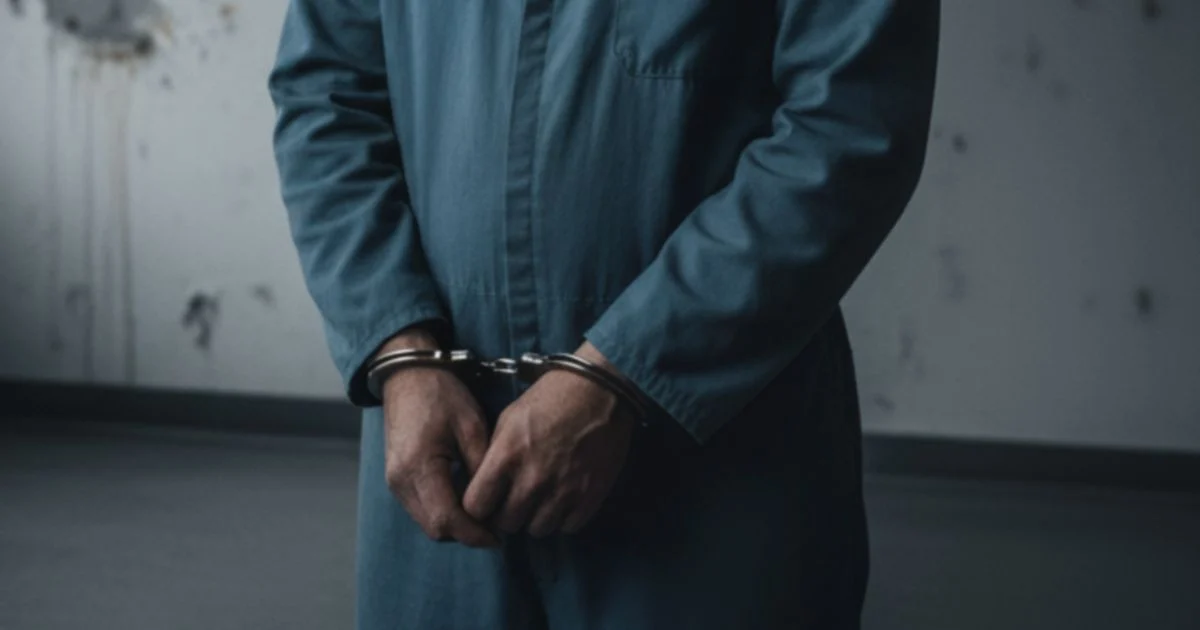
Police in Mexico have detained a suspect connected to the theft of several bronze artworks, among them pieces attributed to the celebrated surrealist Leonora Carrington, from a prominent church situated in one of Mexico City's heritage-rich neighbourhoods. The arrest marks a significant development in a case that highlights the vulnerability of culturally important works displayed in public and semi-public spaces throughout the Mexican capital.
The sculptures were taken from the patio area of the church, where they had been displayed as part of the institution's cultural and artistic holdings. The removal of these pieces from their original setting represents both a material loss and a blow to the artistic heritage of the neighbourhood, which is known for its concentration of galleries, museums, and historic architecture. The church courtyard had functioned as an accessible venue for the community to engage with contemporary and historical artistic expression.
Leonora Carrington stands as one of the twentieth century's most significant artistic figures, particularly renowned for her contributions to surrealism and her pioneering work as both a painter and sculptor. Born in Lancashire, England, in 1917, Carrington eventually made Mexico her adopted home after relocating to the country in the 1940s. Her creative output—spanning painting, sculpture, writing, and installation work—profoundly influenced Latin American artistic movements and continues to draw scholarly attention and appreciation from collectors worldwide. Bronze sculptures attributed to her name command substantial value in both auction markets and institutional collections, making them targets for opportunistic theft.
The theft underscores a persistent challenge facing Mexican cultural institutions of all sizes. While major museums benefit from sophisticated security systems and dedicated conservation staff, smaller religious and community institutions often lack comparable protective infrastructure. The financial constraints faced by many churches and chapels, particularly those in older urban areas, mean that valuable artistic treasures may be displayed with minimal surveillance or physical barriers. This disparity creates opportunities for thieves who recognise the commercial potential of recognized artworks.
Mexico's art theft problem extends beyond individual incidents. The country has witnessed numerous high-profile cases involving the disappearance of significant works from museums, galleries, and religious sites. Some stolen pieces eventually resurface in international markets or in private collections, while others vanish permanently into underground networks. The recovery rate for stolen artwork in Mexico remains relatively low, and many cases go unsolved for years or indefinitely. Interpol and international art recovery organizations maintain databases of missing works, but tracking stolen bronzes presents particular challenges because the pieces can be melted down or modified to obscure their origins.
The arrest of the suspect represents an encouraging sign that law enforcement agencies are prioritizing art crime investigations. Mexican authorities have increasingly developed specialized units focused on cultural patrimony theft, recognizing that such crimes constitute attacks on national heritage as well as individual property rights. These dedicated teams work in coordination with customs officials, museum security experts, and international partners to combat trafficking in stolen cultural goods.
For Malaysian and Southeast Asian readers, this incident carries relevance beyond its immediate geographical context. The region's own museums and temples house invaluable collections of both indigenous and international artwork, many of which face comparable security challenges. The Mexican experience demonstrates the importance of developing comprehensive strategies that combine improved physical security, enhanced surveillance technology, staff training, and community engagement. The theft also illustrates how even relatively recent acquisitions by small institutions can become targets, suggesting that cultural organizations should maintain meticulous documentation and photographic records of their collections.
International cooperation will likely play a crucial role in this case, should the stolen artworks attempt to enter global art markets. Interpol notices, professional networks of art specialists, and information-sharing agreements between countries can help prevent stolen pieces from being legitimized through sales or exhibition. Insurance companies and auction houses maintain watch lists of known stolen works, creating obstacles for anyone attempting to sell or trade the pieces through conventional channels.
The recovery of these sculptures, should it occur, would depend on several variables including the motivation of the thief, the involvement of organized crime networks, and whether the pieces were targeted for specific buyers or simply for immediate financial gain through resale. In some cases, stolen artwork surfaces months or years later when criminal networks attempt to monetize their acquisitions, providing law enforcement with second opportunities to recover the works.
The incident also raises broader questions about the accessibility and protection of cultural heritage in urban spaces. Communities must balance the democratizing principle of displaying artworks in public settings with the practical necessity of ensuring their preservation and security. This tension defines debates about cultural policy in cities worldwide, including those throughout Southeast Asia where rapid urbanization has transformed relationships between heritage institutions and their surrounding communities.

