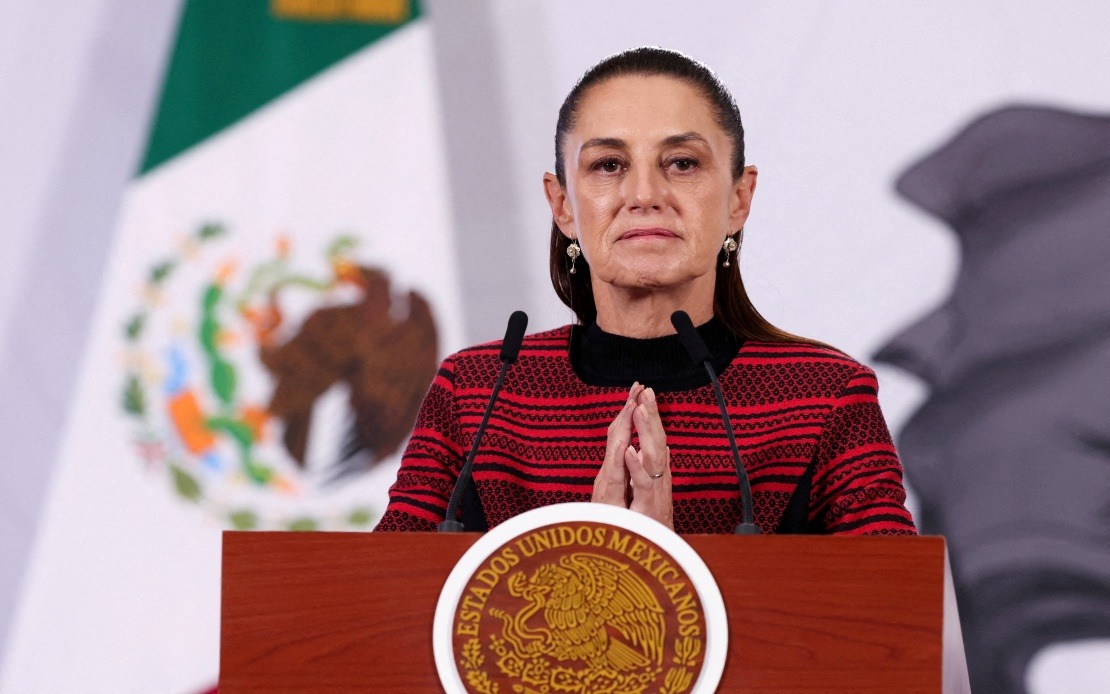
Mexican President Claudia Sheinbaum has accepted an unexpected invitation from United States President Donald Trump to attend the World Cup final, marking an intriguing moment in bilateral relations at a time when the two nations are navigating complex disagreements over trade and security matters. Sheinbaum confirmed to journalists on Friday that the invitation came directly from Trump, signalling a potential thaw in diplomatic tensions despite the broader friction between Washington and Mexico City.
Canadian Prime Minister Mark Carney will also be present at the championship match between Argentina and Spain scheduled for Sunday in East Rutherford, New Jersey. The participation of leaders from all three co-host nations at the tournament's pinnacle event underscores the significance of this global sporting occasion as a venue for high-level political engagement. This convergence of leadership demonstrates how major sporting events continue to serve as platforms where governments can project unity and shared interests despite underlying disagreements.
Sheinbaum's decision to attend represents a notable shift in her approach to World Cup festivities. In June, she notably declined to participate in the tournament's opening ceremony held at Azteca Stadium in Mexico, instead gifting her ticket to an indigenous woman recognised for her passion for football. That earlier decision reflected her commitment to alternative symbolic gestures of inclusion, yet her acceptance of Trump's invitation suggests a recalibration of her diplomatic priorities when it comes to engagement with the United States leadership.
The Mexican government restructured Sheinbaum's official schedule in Quintana Roo to accommodate her attendance at the final, indicating the significance placed on this engagement. The logistical adjustments required to reroute a presidential visit underscore the importance of accepting what appears to be a carefully orchestrated diplomatic overture from the Trump administration.
This moment carries particular weight given the limited history of direct personal interaction between the two leaders. Sheinbaum and Trump have met only once previously, during the World Cup draw ceremony held in Washington in December. That relatively brief acquaintance makes the current invitation all the more significant as a potential avenue for building rapport and establishing productive channels of communication on the bilateral issues that currently strain the relationship.
Mexico and the United States face substantial challenges in their relationship centred on trade disputes and security concerns. The incoming attendance at the World Cup final provides an informal setting where leaders might engage in side conversations or cultivate personal understanding that could inform diplomatic negotiations on these weightier matters. Historically, such sporting occasions have proven valuable for informal diplomacy, allowing leaders to interact in relaxed environments where substantive discussions can occur alongside public ceremony.
The Spanish royal family will bring considerable pageantry to the event, with King Felipe VI, Queen Letizia, Crown Princess Leonor, and Infanta Sofía all expected to attend in support of Spain's campaign for the title. Their presence reflects the deep cultural and national investment in the tournament's outcome and adds additional layers of diplomatic significance to the gathering.
Argentina's President Javier Milei, by contrast, has chosen not to attend the final in person, citing superstitious considerations deeply embedded in Argentine football culture. This decision reflects the different ways national leaders navigate their relationship with sporting tradition and the complex interplay between public expectation, cultural identity, and personal belief systems that characterise presidential involvement in major sporting events.
For Malaysian observers and regional analysts, Sheinbaum's acceptance of Trump's invitation warrants attention as it illustrates how diplomatic relationships in the Americas continue to evolve. The decision also demonstrates the pragmatic approach that political leaders adopt toward major global sporting events, utilising them strategically as settings for engagement and relationship-building. The World Cup final thus transcends its role as merely a sporting spectacle, functioning simultaneously as a significant diplomatic venue where nations continue to pursue their broader foreign policy objectives through informal channels and public presence.
The trajectory of this developing relationship between Mexico and the United States, visible through their leaders' engagement at the World Cup, carries implications for regional stability and economic cooperation in North America. How Sheinbaum and Trump utilise their time at the final may offer hints about the future tenor of bilateral relations and the possibility of bridging the divide on contentious issues. The football pitch, in this context, becomes a stage where international relations continue to unfold alongside the drama of athletic competition.

