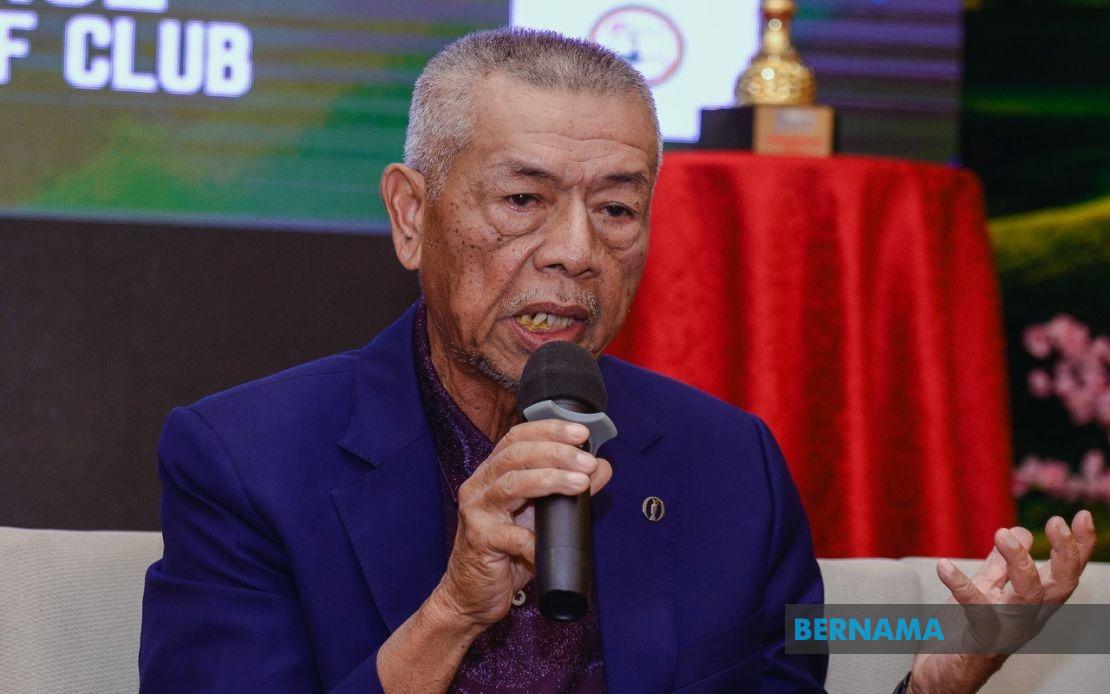
The Malaysian Golf Association is accelerating its recruitment drive for a high-calibre full-time national coach, viewing the appointment as fundamental to delivering a competitive golf programme when Malaysia hosts the 2027 SEA Games. During a meeting with the Ministry of Youth and Sports, MGA president Tan Sri Mohd Anwar Mohd Nor outlined the organisation's strategic priorities to Datuk Rahimi Ismail, the ministry's secretary-general, emphasizing that a dedicated coaching position would underpin a more systematic preparation framework for the national squad.
The quest for a permanent coach represents a significant institutional shift for Malaysian golf. Rather than relying on part-time or ad-hoc arrangements, the MGA recognises that biennial tournament competition at SEA Games level demands continuity in technical guidance, athlete monitoring, and long-term skill development. By formalising the coaching role, the association aims to create accountability structures and ensure that preparation milestones are met consistently across the two-year lead-up to the September 2027 competition. This approach aligns with how established sporting nations structure their elite athlete programmes.
Mohd Anwar made his remarks during the official launch of the 100PLUS MGA National Junior Development Programme Junior Series 2026 at The Mines Resort & Golf Club in Serdang. The timing of this announcement underscores a deliberate strategy to build talent pathways from grassroots through to senior competitive levels. Investment in junior development programmes, paired with elite coaching support, creates a pipeline effect that should yield measurable improvements in the national team's performance within the SEA Games context.
The collaboration between the MGA and the Ministry of Youth and Sports extends beyond the coaching question. Mohd Anwar emphasised that cooperation with the National Sports Council would prove essential for implementing the association's broader athlete development and preparation initiatives. This multi-agency approach reflects a maturing understanding within Malaysian sports governance that isolated efforts by individual federations rarely achieve optimal results. Instead, coordinated support across government departments amplifies the impact of investment and removes administrative bottlenecks that could hinder programme execution.
Geographic considerations are also shaping the MGA's strategic planning. The association has identified Sarawak as a potential training venue and has initiated discussions with Datuk Seri Abdul Karim Rahman Hamzah, the state's Minister of Youth, Sports and Entrepreneur Development. Leveraging Sarawak's golf facilities and climate conditions could provide the national team with extended preparation opportunities in a controlled environment. Such training camps, if properly structured, allow coaches to assess player form, test tactical approaches, and build team cohesion away from domestic competition pressures.
For Malaysian readers, the significance of hosting the SEA Games extends beyond sporting achievement. As the host nation, Malaysia gains reputational benefit from delivering a well-organised, competitive multi-sport event. Golf's profile within the Games has grown steadily, and a strong Malaysian showing would capture public attention and potentially inspire youth participation. The establishment of professional coaching structures signals Malaysia's commitment to treating golf as a priority sport rather than a peripheral pursuit.
The lead-up to the 2027 Games presents both opportunity and challenge. The biennial cycle provides adequate time for structured preparation, yet it also demands disciplined execution from the outset. Securing a world-class coach early allows that individual to shape player selection criteria, design training philosophies, and establish performance benchmarks that can be tracked across 24 months. Delay in this recruitment could compress preparation timelines and limit the coach's ability to implement meaningful change.
Regionally, Malaysia's approach mirrors initiatives undertaken by neighbouring countries preparing for major sporting events. Thailand, Indonesia, and Vietnam have similarly invested in specialist coaching appointments to elevate performance in target sports. The competitive intensity within Southeast Asian golf has increased considerably, and nations are responding by professionalising their institutional structures. Malaysia's move positions it favourably within this escalating arms race.
The MGA's multi-pronged strategy—combining elite coaching recruitment, junior development programmes, inter-state training facilities, and government partnership—demonstrates sophisticated strategic thinking. Rather than relying solely on talent identification or sporadic investment, the association is constructing a coherent ecosystem designed to nurture golfers at every development stage. This systems-based approach has proven effective in other Malaysian sports and offers a viable template for golf's advancement.
Implementing these initiatives will require sustained political will and budget allocation. The Ministry of Youth and Sports and the National Sports Council must translate the MGA's proposals into concrete resource commitments. Competition for government sports funding remains intense, and golf must justify its claim against football, badminton, athletics, and other established high-priority sports. The MGA's articulation of a structured, time-bound preparation plan strengthens its case for ministerial support.
As Malaysia enters the final stretch before hosting the 2027 Games, the decisions taken now regarding coaching, training infrastructure, and athlete development will largely determine the nation's golfing legacy from the event. The MGA's proactive engagement with government agencies signals that the sport's leadership recognises this critical juncture and is determined to capitalise on the opportunity that home advantage provides.