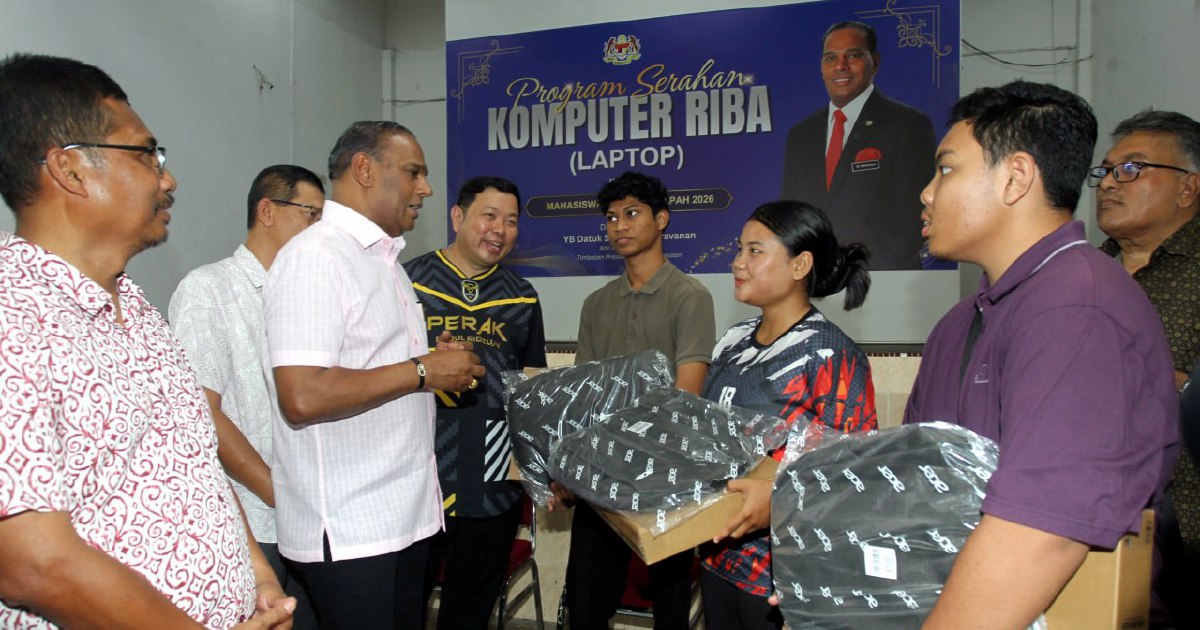
The Malaysian Indian Congress (MIC) is undertaking preliminary campaign activities ahead of the next Melaka state election, beginning the systematic process of evaluating potential candidates and gauging electoral sentiment across the state. The party's initiative, announced in Tapah, reflects broader coalition efforts to strengthen positioning in Melaka ahead of what is expected to be a closely watched regional poll that could reshape state politics and serve as a barometer for federal coalition dynamics.
MIC's preparatory phase focuses on three interconnected strategic elements: identifying and vetting candidates capable of winning in their respective constituencies, understanding the composition and concerns of what the party terms "white" voters—an electoral segment the party views as crucial to overall performance—and developing a comprehensive grasp of pressing issues affecting Melaka residents. This multifaceted approach suggests the party is taking a methodical approach to candidate selection rather than rushing into endorsements, recognizing that the Melaka electorate has demonstrated volatility in recent years.
The emphasis on understanding voter priorities reflects recognition that state elections increasingly turn on local grievances rather than purely national political narratives. In Melaka specifically, voters have shown consistent concern about economic opportunities, infrastructure development, and community-specific issues that affect quality of life. MIC's decision to conduct detailed groundwork rather than relying on assumed voter sentiment indicates learning from previous electoral cycles where misjudgement of public sentiment has cost coalition parties parliamentary and state seats.
For Malaysian and Southeast Asian observers, MIC's election preparation underscores the complexities of coalition politics in Malaysia's federal system. As a component party within the Barisan Nasional alliance, MIC must balance its own party interests with broader coalition strategy. This often means accepting certain constituencies considered unwinnable in exchange for stronger positions elsewhere, a dynamic that shapes candidate selection and campaign resource allocation.
The party's focus on demographic mapping, particularly its attention to the composition of eligible voters, reflects contemporary electoral strategy that goes beyond traditional grassroots canvassing. Understanding voter demographics helps parties deploy candidates with appropriate appeal and craft messaging that resonates with specific communities. In Melaka's context, where significant Indian, Malay, and Chinese populations coexist, this granular approach becomes essential.
MIC's groundwork also positions the party to address any internal dynamics related to candidate selection. In Malaysian politics, intra-party contests for desirable nominations can create lasting resentment if managed poorly. By conducting preliminary assessment of electoral viability, the party can potentially make informed decisions that minimize perception of favouritism and enhance unity around final candidate announcements.
The timing of MIC's preparatory work reflects awareness that Melaka elections could be called with relatively short notice, particularly given the state's political volatility. Recent Melaka legislative sessions have demonstrated the fragility of the state government, making early preparation prudent. Parties that wait until formal election announcements risk disadvantaging themselves through rushed candidate selection and inadequate voter contact programs.
For Malaysia's Indian community specifically, MIC's active engagement in the Melaka election process carries significance beyond that particular state. As the primary political organization representing Indian interests within the federal coalition, MIC's performance in state elections influences its standing within Barisan Nasional and its capacity to secure ministerial positions and government resources for community programs. Strong electoral performance translates to political capital.
The broader context of Melaka politics shapes MIC's strategic calculations. The state has experienced significant political turbulence since the 2018 federal election, with multiple changes of government and shifting coalition alignments. This instability makes accurate voter assessment particularly important, as traditional voting patterns may have shifted. MIC's emphasis on understanding current voter sentiment suggests the party recognizes that assumptions based on previous electoral cycles may be unreliable.
Candidate selection in state elections often reveals tensions between party leadership preferences and grassroots opinion. MIC's systematic approach to evaluation may reflect awareness that nomination decisions must be defensible both within party structures and to the broader electorate. Candidates perceived as mere political appointments rather than people with genuine community connection frequently underperform.
The Melaka election also carries implications for federal politics. State election results shape perceptions of coalition viability and can influence party dynamics within Barisan Nasional. Strong or weak performances by component parties like MIC can signal broader trends affecting coalition stability and federal government prospects, making state-level electoral performance strategically important.
Looking ahead, MIC's preparatory activities will likely intensify as the election draws closer. The party will need to balance competing interests—maintaining coalition unity while advancing its own party profile, securing winnable constituencies for party members while allocating unwinnable seats fairly, and building campaign momentum without prematurely revealing strategic intentions. The next phase of MIC's Melaka election efforts will reveal how successfully the party navigates these inherent contradictions of coalition politics.

