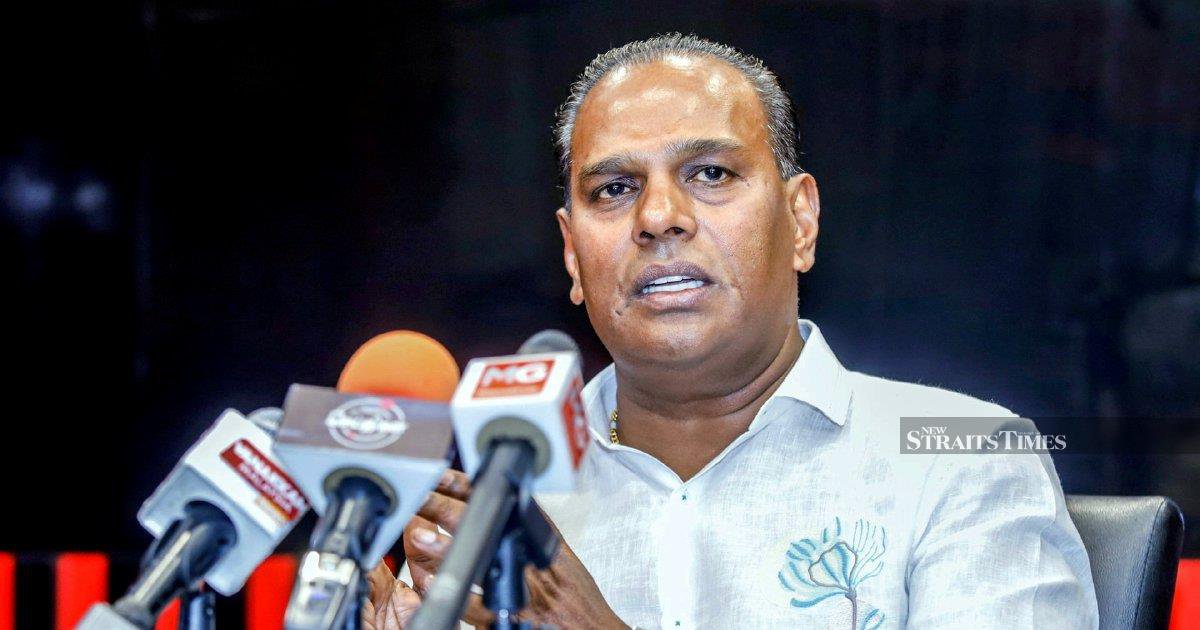
Datuk Seri M. Saravanan, the deputy president of the Malaysian Indian Congress (MIC), has confirmed that he will appear before the KL Sessions Court to face charges. The announcement signals a major development within the party and raises questions about the political implications for Malaysia's Indian community and the broader coalition dynamics within government.
The confirmation came directly from Saravanan, indicating his willingness to address the charges through the formal court process. His decision to publicly acknowledge the upcoming court appearance demonstrates a measured approach to the legal proceedings, rather than attempting to evade or delay the matter. This transparency stands in contrast to how some high-profile political figures have handled similar situations in recent years.
The KL Sessions Court, which handles intermediate-level criminal cases, represents a significant venue for such proceedings. Cases heard in this court typically involve matters of considerable public interest, particularly when they involve political figures of national standing. The court's jurisdiction and procedures suggest that the charges carry sufficient gravity to warrant this level of judicial attention.
Saravanan's position as deputy president of the MIC carries substantial weight within Malaysian politics. The party, historically one of the three main components of the Barisan Nasional coalition alongside UMNO and the Sarawak-based coalition partners, plays a crucial role in representing Indian Malaysian interests. Any legal challenges facing its leadership can ripple through party structures and affect internal dynamics.
The timing of these charges comes at a period when MIC has been navigating complex political terrain. The party has maintained its alliance with Barisan Nasional while contending with shifting electoral preferences among Indian voters. Legal proceedings against senior party figures inevitably attract scrutiny from both political opponents and party members alike, creating pressure on the organisation's internal cohesion.
For Malaysian Indian political representation, developments involving MIC leadership carry broader ramifications. The community's political voice has historically depended on parties and leaders who can navigate complex coalition politics while advancing community interests. When such figures face legal challenges, it can temporarily weaken the community's negotiating position within broader political arrangements.
The KL Sessions Court appearance tomorrow will mark an important moment in what appears to be a significant legal matter. Such proceedings typically involve detailed examination of charges, presentation of evidence, and the defendant's response through their legal counsel. The court's handling of the case will likely set the trajectory for subsequent legal proceedings.
Politically, the implications extend beyond Saravanan's personal legal situation. His continued involvement in party affairs, the potential for internal party adjustments, and the broader electoral considerations facing MIC in the lead-up to future elections all represent factors that political observers will be monitoring closely. The stability of the coalition partnership and the dynamics within it could potentially be affected by how these proceedings develop.
Saravanan's public confirmation of his court appearance suggests a strategy of engagement rather than obstruction, which may influence how both the judiciary and political establishment perceive his approach to the charges. This stands in contrast to situations where political figures have attempted to challenge court procedures or seek delays, which often generates additional controversy and scrutiny.
The broader political environment in Malaysia has seen increasing legal proceedings involving political figures across the spectrum in recent years. These cases have contributed to a complex landscape where legal developments and political fortunes have become increasingly intertwined, shaping the trajectory of various political parties and coalitions.
For the Indian Malaysian community specifically, the unfolding situation highlights the importance of stable political leadership and institutional integrity within parties that claim to represent their interests. The outcome of Saravanan's legal proceedings could influence party dynamics and potentially affect the community's political representation in subsequent coalition negotiations.
As the court date approaches, attention will focus on how the legal process unfolds and what implications it may carry for Saravanan's future role within MIC, the party's broader political standing, and the coalition arrangements that define Malaysian electoral politics. The coming weeks promise to reveal significant developments in this matter.

