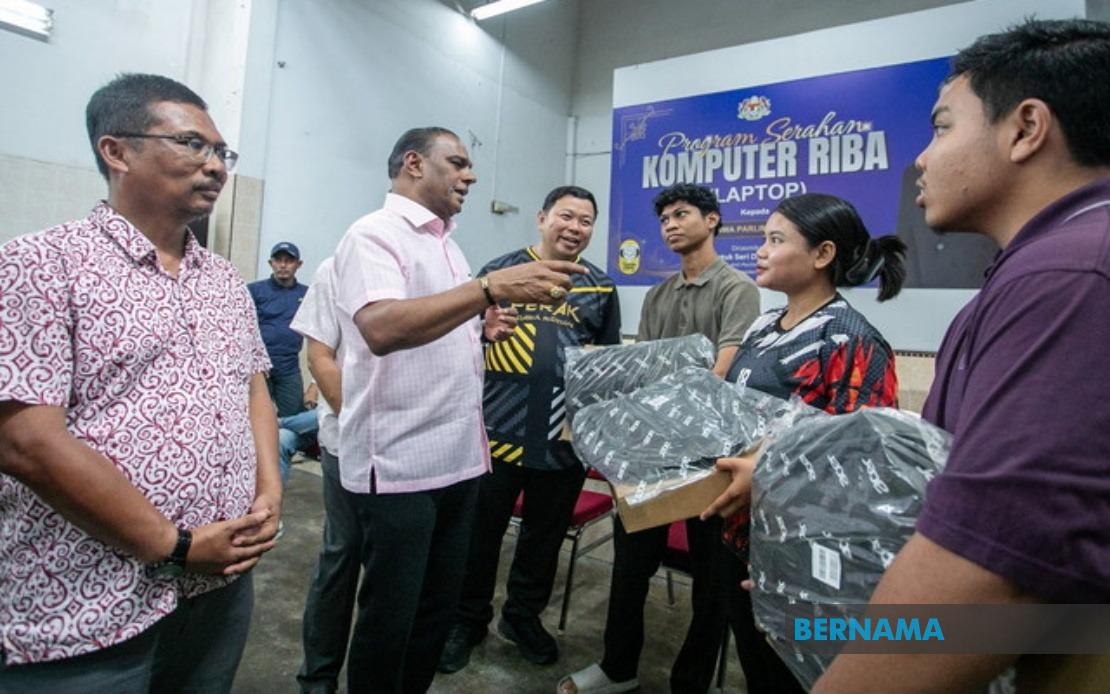
The Malaysian Indian Congress (MIC) has committed to defending its single parliamentary seat in the Melaka state election but is simultaneously exploring the possibility of expanding its electoral footprint, according to deputy president Datuk Seri M. Saravanan. Speaking in Tapah on Friday following his attendance at a parliamentary laptop distribution programme, Saravanan indicated that the party remains focused on retaining the Gadek seat while remaining open to strategic growth in the contest.
The decision to expand MIC's electoral presence in Melaka remains fluid, pending a comprehensive assessment by party leadership of multiple interconnected factors. Saravanan emphasised that the party is examining the demographic composition and political viability of potential constituencies, conducting detailed evaluations of candidate calibre and electability, and calculating realistic winning probabilities in each location. This methodical approach reflects the party's determination to field competitive contenders rather than simply maximising seat count for symbolic purposes.
Party president Tan Sri S A Vigneswaran is currently overseeing the candidate identification and selection process, with an announcement anticipated in the near term. The thoroughness of this exercise underscores the importance MIC attributes to candidate quality, recognising that weak candidates can waste party resources and undermine overall performance. The delay in finalising seat allocations and candidacies demonstrates the party's commitment to making decisions based on ground realities rather than arbitrary timelines.
MIC's baseline objective centres on retaining the Gadek seat, which the party has held since the 2021 state election when candidate VP Shanmugam secured victory with a narrow 559-vote margin in a six-way contest. This modest winning margin suggests that the seat remains competitive and that constituency work and voter engagement will be critical to securing re-election. The tightness of the previous victory indicates that MIC cannot afford complacency in Gadek and must maintain consistent outreach to retain voter confidence.
In preparation for the campaign, MIC has already commenced foundational groundwork essential to electoral success. The party is systematically identifying and mapping its core voter base to understand demographic patterns, geographic concentration, and shifting preferences within its traditional support network. This granular understanding of voter sentiment and behaviour patterns enables the party to tailor messaging and allocation of campaign resources more effectively than blanket, untargeted approaches would permit.
Beyond voter mapping, MIC is actively monitoring contemporary political issues and policy concerns likely to resonate with constituents during the campaign period. By identifying emerging problems and policy gaps that voters care about, the party can position itself as responsive to public sentiment and capable of delivering tangible improvements. This issues-based approach complements the traditional relationship-building and community engagement that characterise MIC's grassroots strategy.
The context of MIC's campaign efforts reflects the broader dynamics of Malaysian Indian political representation. As a component of Barisan Nasional, MIC remains committed to the coalition framework, though the party's competitive position has weakened considerably over recent decades. The party's cautious approach to seat expansion suggests realistic assessment of its current electoral strength and the need to concentrate resources where victory is achievable.
For Malaysian and Southeast Asian observers, MIC's strategic recalibration carries implications beyond Melaka. The party's willingness to evaluate expansion opportunities indicates confidence that demographic and issue-based work can improve electoral outcomes. Conversely, the measured approach to growth suggests acknowledgment that minority-based political parties in Malaysia operate within constrained electoral space and must identify niches where they possess genuine competitive advantage.
The Melaka election offers MIC an opportunity to demonstrate renewed energy and organisational capacity within a state context where the party maintains existing representation. Success in Gadek would validate the party's strategic approach and potentially create momentum for broader political relevance. Failure to defend the seat would represent a symbolic setback for a party that has experienced declining fortunes over the past two decades.
MIC's emphasis on candidate quality and strategic seat selection also reflects lessons learned from previous electoral cycles where the party contested extensively but secured minimal gains. The shift toward selectivity rather than maximisation represents evolved thinking about resource efficiency and realistic goal-setting. By focusing on winnable contests, MIC improves its probability of securing electoral gains that translate into meaningful parliamentary representation.
The party's groundwork activities, including voter identification and issue mapping, require sustained effort and organisational capacity. These foundational activities, while unglamorous, determine whether campaign messaging reaches intended audiences and whether the party can mobilise supporters effectively on polling day. The early commencement of such work suggests MIC's leadership understands the competitive environment and the necessity of beginning preparations substantially before the official campaign period.
As the Melaka state election approaches, MIC's performance will be closely monitored within broader conversations about minority political representation within Malaysia's coalition framework. The party's ability to defend Gadek and potentially expand will provide data points for assessing whether component parties can remain viable and relevant contributors to Barisan Nasional's electoral strategies.

