A high-profile chef operating a prestigious two-Michelin-star restaurant in Seoul stands accused of systematically violating South Korea's stringent food safety regulations by topping palate-cleansing sorbets with black ants as a garnish intended to enhance sourness. The case, which culminated in a Monday court hearing, represents a rare collision between culinary experimentation and state food oversight in one of Asia's most tightly regulated dining markets. Prosecutors have sought a one-year prison sentence alongside a 20 million won fine, signalling that Seoul authorities view the transgression as serious despite the chef's apparent attempts to manage customer consent.
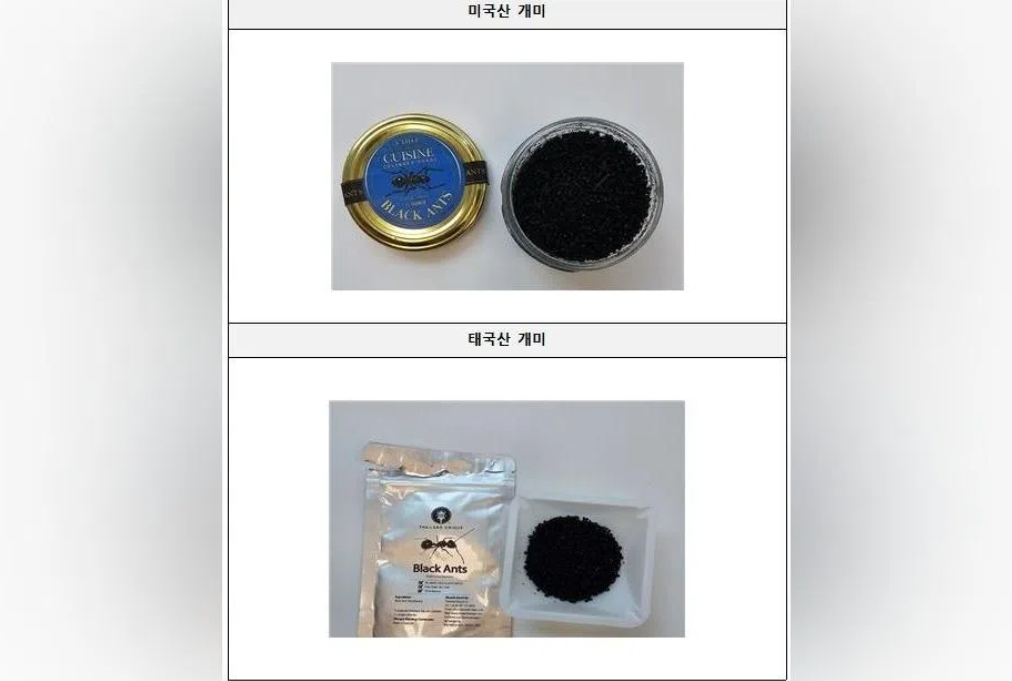
South Korea maintains one of the world's most restrictive approved-insect lists for human consumption, with only ten species legally permitted in food preparation. The roster includes grasshoppers and brown mealworm larvae, species that have gained traction in Korean cuisine as protein-rich ingredients. This regulatory framework reflects both historical culinary traditions and modern food safety protocols designed to protect consumers from potential pathogens and allergens associated with undocumented insect species. The black ants in question, sourced from Thailand and the United States, fell entirely outside this permitted framework, making their use a clear violation regardless of culinary intent.
The investigation revealed that this practice had persisted for nearly four years, suggesting the chef either misunderstood the regulations or deliberately circumvented them. Between approximately 2021 and January 2025, the restaurant generated approximately 12,000 sales of the ant-garnished confections, totalling 120 million won in revenue. This extended timeframe and substantial turnover indicate the ant sorbet was not an isolated experimental dish but rather an established menu item generating meaningful income. The longevity of the practice raises questions about how such activity escaped detection for so long within Seoul's densely regulated fine-dining sector.
Food safety authorities launched their investigation after discovering that the chef had topped these icy desserts with three to five individual black ants per serving. Ministry documentation includes photographic evidence of a tin labelled "Cuisine Black Ants," which authorities seized during their probe. The deliberate sourcing and storage of this ingredient—rather than accidental contamination—underscores that this was an intentional culinary choice rather than a negligence issue. The chef's stated rationale of adding sourness through the ants suggests an attempt at sophisticated flavour layering, though one that operated completely outside legal boundaries.
The defendant's legal team mounted a defence centred on customer consent, arguing that diners who received the ant-topped confections had agreed in advance to this non-standard preparation. This consent-based argument, while potentially relevant in some culinary contexts, holds little weight under South Korean food law, which prohibits the use of unapproved insect species categorically. Consumer agreement cannot override statutory food safety requirements designed to protect public health. The court's consideration of this defence mechanism will likely influence how similar cases are handled, particularly as molecular gastronomy and experimental cuisine continue expanding within Asia's fine-dining scene.
In his closing statement, the chef expressed contrition, stating that he apologised for the incident, which he attributed to insufficient understanding of relevant regulations. This explanation suggests either genuine ignorance of the food safety code or a strategic appeal to judicial mercy. Given that the operation continued for four years with consistent practices, the plausibility of regulatory ignorance among a Michelin-starred chef remains questionable. Nevertheless, such statements often influence sentencing considerations in South Korean courts, particularly when the defendant demonstrates willingness to accept responsibility.
The case carries broader implications for the intersection of culinary innovation and regulatory compliance across Southeast Asia and beyond. As molecular gastronomy and experimental cuisine gain prominence in regional dining capitals, restaurants increasingly push against conventional ingredient boundaries. This incident illustrates that even prestigious establishments operating at the apex of the culinary world remain subject to fundamental food safety statutes. For Malaysian and other Southeast Asian food operators, the case underscores that international acclaim and star ratings provide no exemption from local food regulatory frameworks.
Prosecutorial decisions to pursue significant jail time in this case signal that South Korean authorities view food safety violations by establishments of high repute as particularly serious. Such enforcement sends a clear deterrent message to other upscale restaurants contemplating similar experimental practices. The combination of imprisonment and financial penalties—totalling roughly 120 million won in lost revenue plus the fine—creates substantial consequences that extend beyond simple monetary compensation. This approach reflects a regulatory philosophy that prioritises systemic compliance over individual culinary freedom.
The Seoul Western District Court is scheduled to deliver its verdict in early September, and the ruling will likely become precedent for how South Korean courts treat food safety violations within the fine-dining sector. The decision will also potentially influence how chefs across Asia assess the risk-reward calculus of experimental ingredients. Should the court impose the full prosecution request, it would represent a firm stance that Michelin stars and culinary prestige cannot shield operators from statutory food law. Conversely, any mitigation of the sentence might suggest that consumer consent and the absence of documented health incidents carry weight in judicial deliberation, creating ambiguity for future cases.
For Malaysian stakeholders in hospitality and food service, this case serves as a cautionary example of regulatory vigilance in a neighbouring market with similarly developed food safety infrastructure. While Malaysia's regulations differ from South Korea's, both nations maintain strict frameworks governing approved food additives and permitted ingredient sources. Restaurants operating across multiple jurisdictions must carefully audit their practices against each market's specific requirements, as compliance in one country provides no protection against enforcement in another. The international scope of this chef's sourcing—importing from Thailand and the United States—highlights how globalised supply chains intersect with localised regulatory boundaries.

