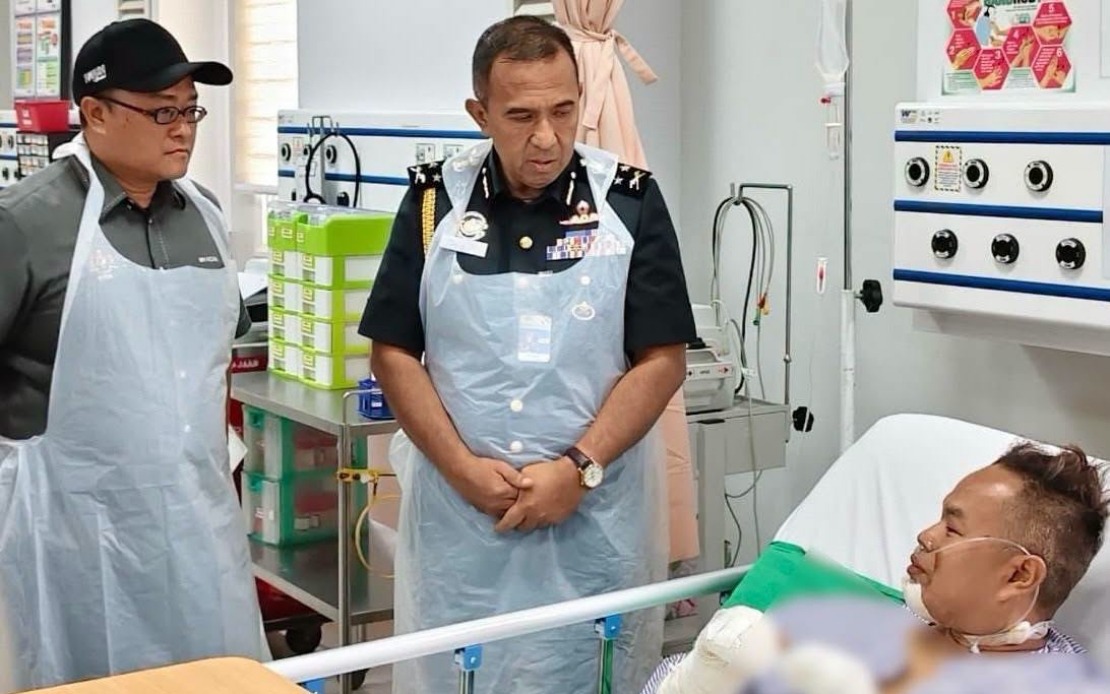
Two enforcement officers from the Domestic Trade and Cost of Living Ministry (KPDN) sustained injuries while conducting field operations in Selangor aimed at combating the illegal decanting and diversion of subsidised liquefied petroleum gas. The incident occurred during Ops Tiris 4.0, a targeted enforcement initiative designed to prevent the misappropriation and black-market trading of subsidised LPG supplies intended for domestic consumers.
Assistant Enforcement Officer Mohammad Fauzi Baharuddin remains hospitalised with what has been characterised as fairly serious injuries and continues to receive medical treatment. Enforcement Assistant R. Yoghanath, who sustained minor injuries during the same incident, was discharged and permitted to recover at home following initial medical assessment and care. The contrasting severity of their conditions underscores the unpredictable nature of field enforcement work, where officers may encounter resistance or dangerous situations without warning.
Minister Datuk Armizan Mohd Ali publicly acknowledged the injuries through a Facebook statement, directing his thoughts toward Mohammad Fauzi's recovery and offering support to the officer's family during what is acknowledged as an anxious and difficult period. The minister's personal prayers for both injured officers reflected the gravity with which the ministry views such incidents and signalled institutional recognition of the human cost of enforcement activities.
The incident carries particular significance within Malaysia's broader context of subsidy management and consumer protection. LPG subsidies represent a substantial government expenditure designed to ensure household energy accessibility, particularly for lower-income households. However, illegal decanting—the process of transferring subsidised LPG from domestic bottles to commercial containers or larger quantities for resale—represents a significant drain on public resources. Officers conducting Ops Tiris 4.0 operate at the frontline of defending these subsidies from exploitation, frequently encountering individuals engaged in lucrative but illegal trading.
Armizan's statement extended beyond expressions of sympathy to articulate a broader point about the institutional challenges facing enforcement agencies. He highlighted that behind each operation and enforcement action lies significant personal sacrifice, with officers regularly departing their homes and families to engage with unpredictable field conditions. The statement implicitly acknowledges that enforcement personnel operate under conditions of genuine occupational hazard, frequently unable to anticipate the circumstances or level of resistance they may encounter during raids and inspections.
The minister specifically thanked all KPDN enforcement personnel for what he characterised as their courage and sacrifice. This public recognition serves multiple functions: it validates the risks undertaken by enforcement staff, acknowledges the importance of their work to broader economic policy objectives, and signals political support for continuing enforcement operations despite operational dangers. Such statements can be crucial for institutional morale, particularly when personnel work in conditions where injury or confrontation remains possible.
Ops Tiris 4.0 addresses a persistent challenge within Southeast Asia's energy subsidy frameworks. Illegal LPG diversion creates both fiscal and equity concerns—diverted supplies inflate government expenditure while reducing availability for intended beneficiaries. The operation reflects the ministry's commitment to a systematic approach to enforcement, moving beyond reactive responses to establish sustained pressure against systematic diversion networks. Each enforcement action contributes to establishing that illegal trading carries meaningful costs and risks for perpetrators.
The injuries sustained during this operation highlight why enforcement work remains crucial despite inherent risks. Without consistent field operations, subsidy diversion networks would expand unchecked, ultimately necessitating either increased government expenditure or reduced subsidy availability for legitimate household consumers. Officers like Mohammad Fauzi and Yoghanath represent the practical mechanism through which government policy translates into real-world compliance and resource protection.
For Malaysian readers and regional observers, such incidents underscore the often-invisible human dimensions of economic governance. While subsidy policy and enforcement typically feature in policy documents and budget discussions, the actual work occurs on the ground through officers prepared to enter uncertain situations to enforce regulations. The injuries sustained during Ops Tiris 4.0 serve as tangible reminder of this reality, while the minister's public acknowledgment demonstrates institutional recognition of both the importance and the cost of this work.

