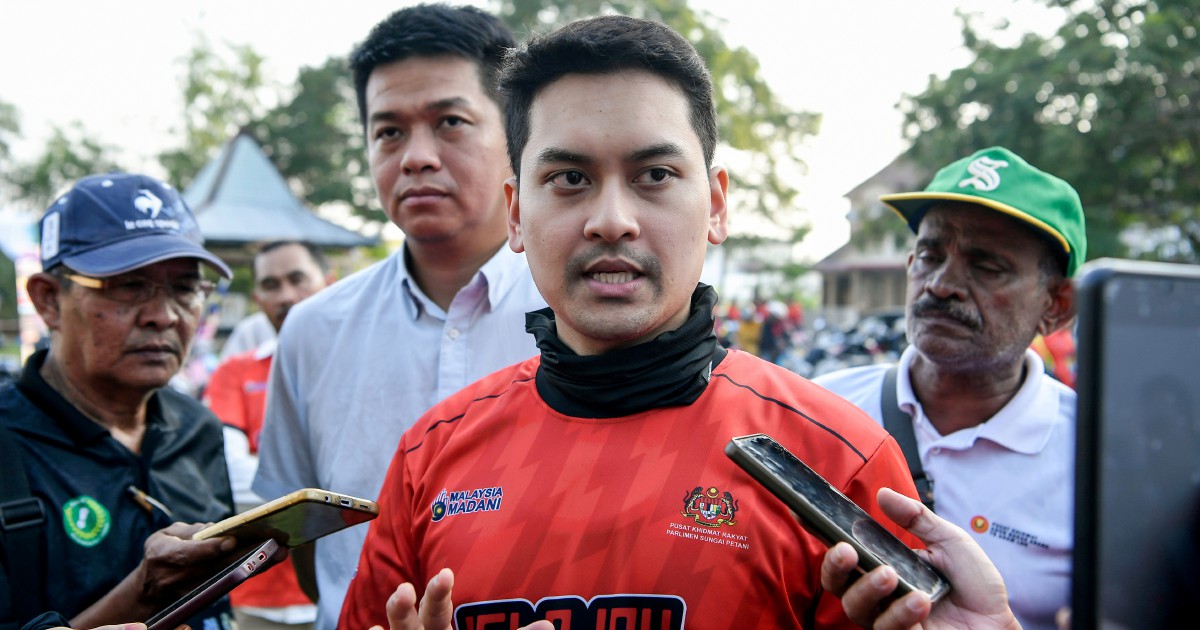
Youth and Sports Minister Dr Mohammed Taufiq Johari has demanded a thorough and comprehensive investigation into the circumstances surrounding the death of an 11-year-old girl in Alor Star, who is believed to have suffered a fatal cardiac episode following a school sporting activity. The incident has prompted urgent scrutiny of how physical education programmes are conducted in Malaysia's schools and whether proper safeguards exist to protect vulnerable pupils.
According to preliminary accounts, the child was reportedly directed by a teacher to participate in the sporting event despite potential underlying health concerns. The tragic outcome has raised questions about medical screening protocols, the adequacy of supervision during athletic activities, and whether educators receive sufficient training to recognise warning signs of cardiac distress in young participants. The minister's intervention signals that authorities are treating the matter with considerable gravity and are committed to establishing precisely what transpired.
The case has significant implications for Malaysian schools nationwide. Physical education remains a cornerstone of the national curriculum, yet questions persist about whether schools consistently implement rigorous health assessments before requiring children to engage in strenuous activities. Many educational institutions, particularly those in smaller towns and rural areas, may lack access to on-site medical professionals or basic cardiac screening equipment. This incident underscores the need for standardised protocols that prioritise student welfare above curriculum compliance.
Parental concerns about school safety have intensified following this tragedy. Parents across the country are now questioning whether their own children have undergone appropriate medical evaluations before participating in organised sports and athletic competitions. The emotional toll on the affected family extends beyond grief to encompass complicated questions about accountability, prevention, and systemic responsibility. Many families may now be inclined to seek private medical clearances before allowing their children to participate in school sports programmes.
The investigation will likely examine multiple dimensions of what occurred. Authorities will need to determine the girl's prior medical history, whether any pre-existing cardiac conditions were known to school officials, what specific physical exertion the child was subjected to, and whether appropriate first-aid response was initiated when symptoms appeared. Medical experts may be called upon to assess whether the sporting activity itself posed unreasonable risks for a child with her particular health profile, or whether the tragic outcome was an unforeseeable medical emergency.
School administrators and physical education instructors across Malaysia may now face increased scrutiny regarding their knowledge of student health records and their ability to recognise medical emergencies. Teacher training programmes typically emphasise curriculum delivery rather than medical emergency response, yet incidents like this reveal the critical gap between standard preparation and real-world requirements. Educational authorities will need to evaluate whether current professional development adequately equips educators to handle such crises and make informed decisions about student participation in physically demanding activities.
The incident also highlights broader questions about informed consent and parental notification. Parents expect to be informed of any medical concerns identified by schools and should have the opportunity to restrict their children from potentially hazardous activities. Whether communication between school and home functioned adequately in this case remains a crucial investigative line. Clearer protocols requiring documented parental consent for children with known or suspected health conditions to participate in strenuous activities may emerge from this inquiry.
Emerging evidence suggests the tragedy may have been preventable through proper medical screening and informed decision-making. Sudden cardiac death in children, while statistically rare, remains a recognised medical phenomenon that can occur in previously undiagnosed cases. However, if the child had a documented cardiac condition, the circumstances surrounding her participation in the sporting activity become far more troubling. Distinguishing between unavoidable medical misfortune and negligent decision-making will be central to determining whether systemic reforms are warranted.
The minister's call for investigation reflects broader accountability expectations in Malaysian society. When a child dies under circumstances involving institutional responsibility, thorough examination and transparent findings are essential not only for justice but also for public confidence in educational systems. Sports-related deaths, whether at schools or sporting facilities, demand rigorous post-incident analysis to extract lessons and prevent recurrence. The investigation's conclusions will likely inform national guidelines for student participation in physical activities.
Moving forward, this incident may catalyse significant changes in how Malaysian schools manage student health and sports participation. Implementing mandatory medical clearances before children engage in strenuous activities, establishing school-based first-aid protocols, improving teacher training in recognising cardiac symptoms, and creating clearer communication channels between medical professionals, schools, and families could all emerge as preventive measures. The tragic loss of this young life underscores the necessity of prioritising comprehensive student safety over institutional convenience or curriculum schedules.
The investigation will ultimately provide crucial insights into whether systemic failures contributed to this tragedy or whether this represents an unavoidable medical event. Whatever the findings, the case will undoubtedly reshape how Malaysian educational authorities approach student participation in sports and physical activities, with potentially far-reaching consequences for school policies across the nation.

