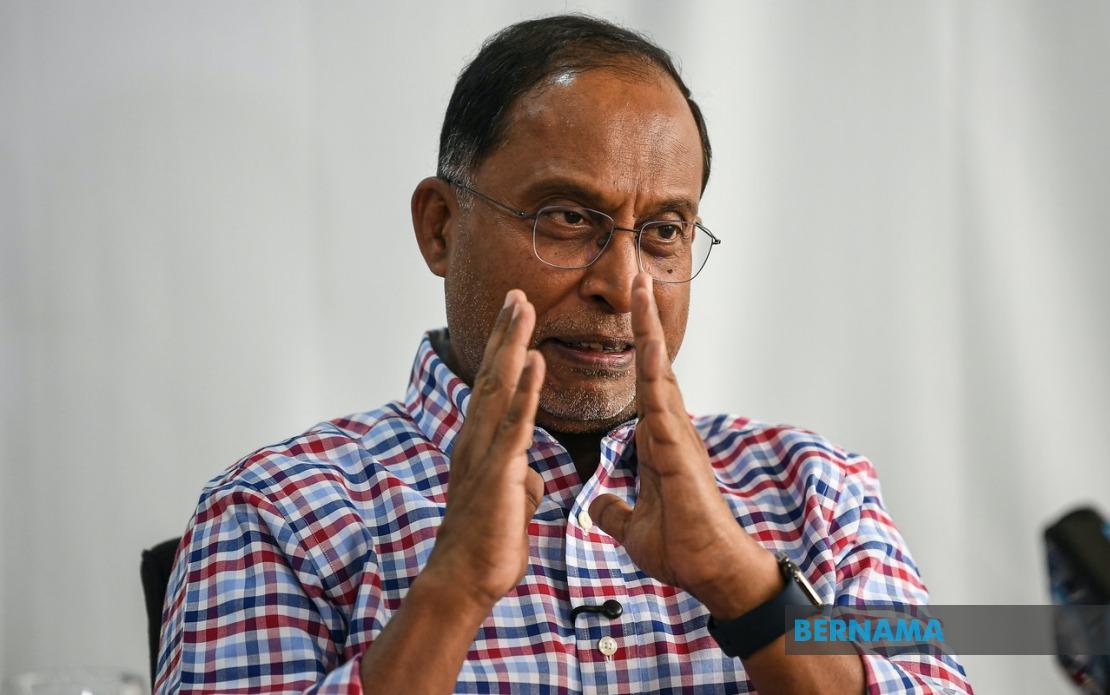
Malaysia's Ministry of Higher Education has greenlit plans to construct Jelai Community College in Mukim Batu Yon near Lipis, signalling a major push to bring technical and vocational education deeper into rural areas. Higher Education Minister Datuk Seri Dr Zambry Abd Kadir announced the initiative at a groundbreaking ceremony held at Dataran Santuari Eco Gahai, with Pahang Menteri Besar Datuk Seri Wan Rosdy Wan Ismail presiding alongside him. This new facility will become Pahang's 11th community college, representing a deliberate geographic diversification of the nation's TVET infrastructure away from urban centres where such institutions have traditionally concentrated.
The Department of Polytechnic and Community College Education has been tasked with advancing planning for the project, which carries an estimated cost of RM55 million. The ministry expects the institution to accept at least 240 students, though this figure represents initial capacity and may expand as the college matures. Construction timelines suggest completion within one to one-and-a-half years from the groundbreaking, positioning the facility to begin enrolling students by 2026 or early 2027, contingent on project execution maintaining pace.
Curriculum offerings will concentrate on agrotechnology and sustainable agricultural technology, a deliberate alignment with the district's established economic foundations. Jelai's agricultural heritage and the broader agri-food sector form the region's primary economic drivers, making this curriculum choice strategically sound rather than arbitrary. By anchoring technical education to local industry demand, the college aims to create a direct pipeline between classroom instruction and regional employment opportunities, reducing the geographic mismatch that often forces rural graduates to migrate for work.
This development arrives within a broader Malaysian policy context emphasizing TVET accessibility. For decades, community colleges have concentrated in urban and semi-urban regions, creating education deserts in agricultural heartlands and remote areas. Rural youth historically faced substantial barriers accessing quality vocational training without relocating, deterring many from pursuing technical qualifications. Jelai Community College addresses this bottleneck by bringing accredited programmes to students who might otherwise forgo further education entirely or pursue credentials misaligned with local employment.
The initiative carries particular significance for Pahang, Southeast Asia's largest peninsula state by area with dispersed population centres. Establishing the eleventh community college reflects cumulative investment in the state's human capital development, though coverage remains uneven across Pahang's vast geography. The Lipis location serves the central highlands region and surrounding districts, positioning the college as a regional hub for agricultural and agri-tech education across multiple constituencies.
For Malaysia's TVET ecosystem broadly, the project reinforces ministerial commitment to institutional diversity and geographic equity. Rather than concentrating resources in metropolitan areas where market forces already attract education providers, targeted investment in rural community colleges serves populations underserved by private sector alternatives. This represents an implicit recognition that leaving TVET provision entirely to market mechanisms produces spatial inequalities that constrain economic development in peripheral regions and limit national talent utilisation.
Wan Rosdy's expression of gratitude toward the ministry signals that state governments view TVET expansion as a collaborative priority with federal leadership. The Menteri Besar's acknowledgement that the state government had actively pursued this project suggests bottom-up advocacy combining with central government capacity and funding, a governance model increasingly important for infrastructure development. This partnership approach may offer lessons for other states seeking expansion of community college networks.
The agriculture and agri-food focus carries additional strategic weight given Malaysia's broader agricultural modernization objectives. Sustainable farming technologies and agrotechnology represent growth sectors requiring skilled technical workforces. A pipeline of qualified graduates in these fields directly supports national food security ambitions and rural economic diversification beyond commodity production. Training specialists in modern agricultural methods could accelerate adoption of productivity-enhancing technologies among small-scale farmers throughout the region.
Deputy Speaker and Cameron Highlands Member of Parliament Datuk Dr Ramli Mohd Nor's attendance underscores parliamentary oversight of TVET development and connectivity between parliamentary representation and constituent education needs. Cameron Highlands shares agro-economic characteristics with Jelai, suggesting the parliamentary delegation viewed this facility as advancing interests across multiple constituencies within the broader highlands agricultural zone.
The ministry's statement framing the college as evidence of commitment to quality education regardless of geographical location sets an important rhetorical marker about equity and inclusion. This language acknowledges historical disparities in educational access between urban and rural Malaysia, positioning institutional expansion as corrective policy. However, establishing one college addresses only a portion of remaining TVET access gaps, suggesting that similar facilities may follow in other underserved regions.
Implementation success will depend substantially on recruitment and retention of qualified instructors experienced in both agriculture and modern technologies. Rural postings sometimes present challenges in attracting and maintaining experienced teaching staff, requiring competitive compensation structures and professional development pathways. The college's effectiveness ultimately depends on educator quality matching infrastructure investment.
Beyond immediate Lipis impacts, Jelai Community College contributes to Southeast Asia's broader technical education landscape. Regional economic integration and agricultural trade increasingly require standardized competencies in modern farming practices and agri-business operations. Malaysian TVET expansion, particularly in agricultural sectors, enhances regional labour mobility and commercial integration by producing workers with credentials recognized across ASEAN economies.
As Malaysia navigates demographic transitions and labour market shifts toward higher-skilled technical roles, distributed TVET infrastructure becomes increasingly vital to ensuring no region falls permanently behind in workforce development. Jelai's establishment demonstrates that rural education access receives serious policy attention at the ministerial level, though translating announcements into sustained institutional excellence requires continued commitment beyond groundbreaking ceremonies.

