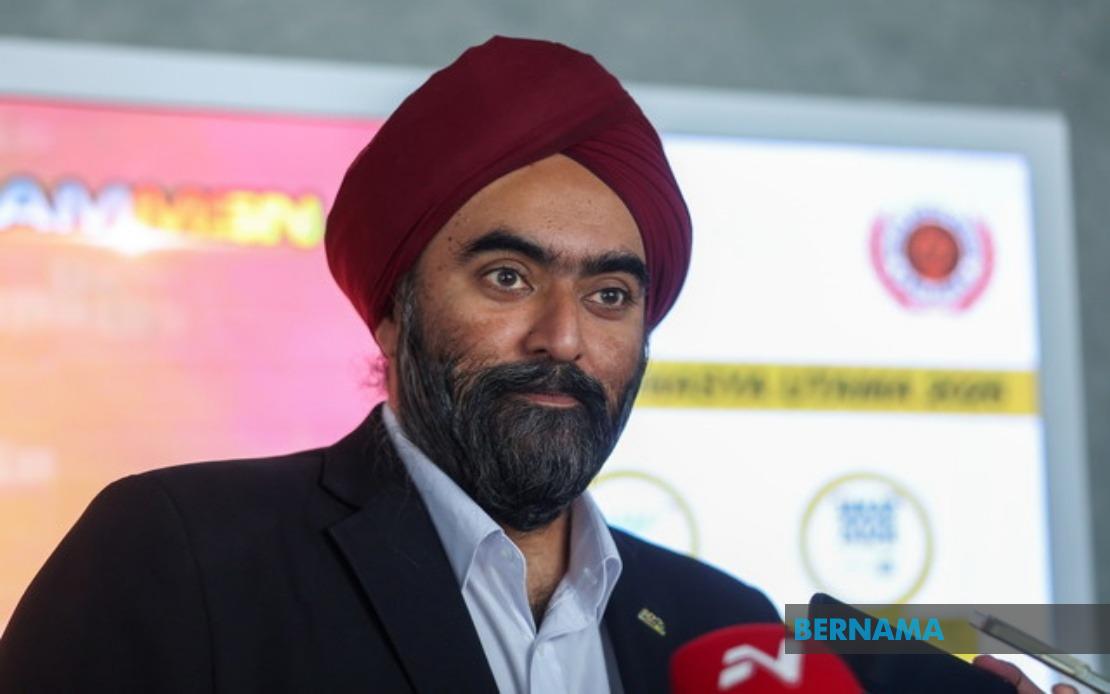
Malaysia's cycling development programme faces an unexpected hurdle after Yayasan Sime Darby postponed the YSD Track Cycling and BMX Series 2026, prompting the Malaysian National Cycling Federation to seek immediate dialogue with the foundation's leadership. The dispute, which emerged following what YSD described as technical issues linked to MNCF operations, threatens to disrupt talent pipeline development in a sport where Malaysia maintains regional competitive ambitions. Federation president Datuk Amarjit Singh Gill emphasised that the underlying disagreement, while serious enough to warrant postponement, does not constitute an intractable problem requiring protracted negotiations.
Amarjit's appeal for face-to-face meetings between senior YSD management and MNCF executive council members suggests the friction runs deeper than routine administrative matters. His careful language—acknowledging YSD's characterisation of the issues as technical while simultaneously insisting the matters are not fundamentally complicated—reveals a diplomatic balancing act. The federation leader appears keen to avoid public escalation that could damage relationships with a major programme sponsor, yet equally determined to signal MNCF's commitment to resolving outstanding concerns. This positioning reflects the delicate dynamics governing sports governance in Malaysia, where institutional partnerships between government-linked foundations and national sports bodies require careful management.
The postponement carries significant implications for Malaysia's cycling ecosystem. The YSD Track Cycling and BMX Series serves as a crucial development platform where emerging athletes gain competitive experience and demonstrate their potential for international representation. Without this structured pathway, younger riders lose opportunities to progress through organised competition, potentially hampering the nation's ability to cultivate the next generation of track and road cycling talent. For a country aspiring to maintain its standing in Southeast Asian cycling competitions and pursue Olympic podium finishes, such disruptions can have cascading effects across seasons.
Yayasan Sime Darby's decision to suspend the series underscores the vulnerabilities that emerge when elite sports programmes depend heavily on corporate sponsorship. While private sector backing has enabled Malaysian cycling to achieve various competitive milestones, such arrangements introduce vulnerability to partnership breakdowns. The foundation's reference to technical issues implicates operational or governance dimensions of MNCF management, though neither party has publicly detailed specific grievances. This opacity complicates assessment of whether the disagreement reflects genuine procedural failings or stems from differing expectations about programme administration and decision-making authority.
Amarjit's emphasis on mutual respect and equal partnership status suggests that ego and institutional pride may complicate resolution efforts. When national sports federations and major sponsors perceive imbalances in authority or recognition, productive negotiations can stall regardless of whether underlying technical problems remain modest. The federation president's repeated invocation of respect indicates he views this as a central issue—perhaps signalling that MNCF feels insufficiently consulted or valued in programme decisions. Conversely, YSD's framing of the postponement as technically driven may reflect the foundation's perception that operational standards require strengthening.
The timing of this standoff coincides with the broader launch and route announcement of Le Tour de Langkawi 2026, Malaysia's flagship cycling event. This context suggests the cycling federation and corporate sponsors remain invested in promoting the sport at multiple competitive levels. Amarjit's comments came immediately following the LTdL announcement, allowing him to underscore cycling's importance to national sporting ambitions while addressing the series postponement. This sequencing may have been deliberate, positioning the YSD series dispute within a larger narrative of cycling development rather than allowing it to become an isolated governance crisis.
Resolution mechanisms in Malaysian sports typically involve discrete negotiations among senior officials, often facilitated informally through existing networks and mutual acquaintances. Amarjit's public call for talks, rather than private shuttle diplomacy, suggests that preliminary discussions may have proven insufficient or that the federation wants to establish a clear record of its openness to resolving the matter. Public appeals for dialogue can sometimes pressure reluctant parties to engage more seriously, though they also risk hardening positions if either side feels compelled to defend its stated position.
The suspension's impact extends beyond immediate athletes to coaching staff, sports scientists, and facilities management personnel who depend on programme continuity. Event postponement also disrupts planning cycles for state cycling associations and regional training centres that structure their year around scheduled competitions. Malaysian cycling's distributed governance structure, involving multiple state federations, can create coordination challenges when national-level programmes stall unexpectedly.
Looking ahead, successful resolution will likely require both parties to clarify expectations regarding governance, communication protocols, and decision-making authority. Whether the technical issues YSD referenced involve financial accountability, operational compliance, or selection procedures remains unclear, but addressing root causes rather than symptoms will be essential. Amarjit's demonstrated willingness to characterise the matter as resolvable, combined with YSD's implicit openness to dialogue through the postponement announcement, suggests neither party seeks permanent rupture. Malaysian cycling's continued development may hinge on whether these institutions can translate diplomatic statements into concrete agreements that restore programme credibility with athletes and the broader sporting public.

