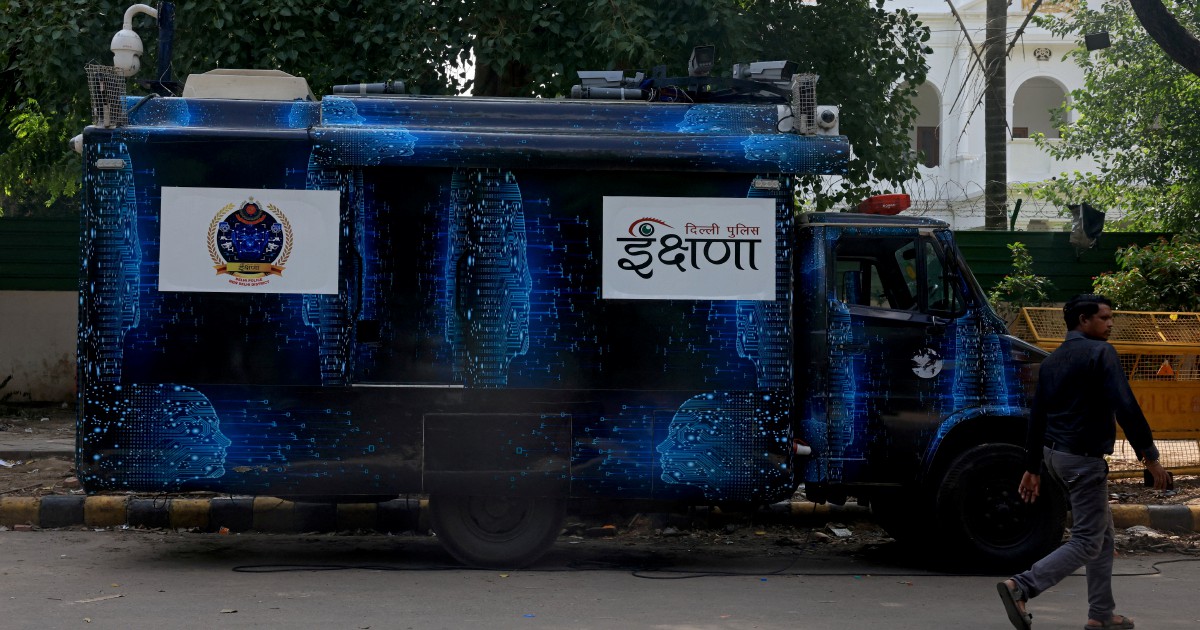
Civil rights groups across India are mounting legal and political challenges against the Modi administration's deployment of advanced artificial intelligence surveillance systems during what became the nation's most significant youth-led demonstration in recent memory. The confrontation extends beyond the streets and protest grounds, moving into courtrooms where fundamental questions about government power, digital rights, and the proper boundaries of state monitoring technology are now being contested. These cases may ultimately reshape how Indian authorities can deploy surveillance infrastructure during public demonstrations and civil unrest, with implications that reach far beyond the immediate circumstances of the protests.
The protests themselves represented a generational moment for Indian youth activism, drawing hundreds of thousands of participants across multiple cities and metropolitan areas. The breadth and intensity of the demonstrations surprised many political observers and forced the Modi government into a defensive posture on multiple fronts. Yet even as the street mobilisations have quieted, the legal battles over surveillance methods used during the demonstrations are intensifying, suggesting that the real contest over the government's actions may only be entering its decisive phase.
Activists argue that the deployment of facial recognition systems, crowd monitoring technology, and data collection apparatus during the protests violated fundamental privacy rights and democratic principles enshrined in India's constitution. They contend that such surveillance infrastructure, particularly when powered by artificial intelligence systems with documented accuracy issues, poses unprecedented risks to civil liberties and freedom of assembly. The use of these technologies without adequate legal frameworks, transparent oversight mechanisms, or public consent represents, in their view, a dangerous expansion of state control over citizens' movements and associations.
The Modi government's justification for deploying AI surveillance centres on maintaining public order and identifying potential troublemakers within large crowds. Officials argue that such technology-driven approaches to crowd management are necessary for preventing violence, protecting lives, and ensuring that demonstrations do not escalate into broader civil disturbance. This framing positions surveillance as a neutral technical solution to the challenges of managing mass gatherings in a nation of 1.4 billion people where crowd-related incidents have historically led to significant casualties.
However, critics contend that this official narrative obscures the coercive potential of surveillance systems, particularly in the hands of a government increasingly willing to deploy state power against perceived political opponents. They point to documented cases of excessive force against protesters and harassment of activists in other contexts, arguing that providing the state with advanced surveillance capabilities creates dangerous tools that can easily be weaponised against legitimate dissent. The lack of robust judicial oversight and legislative safeguards for surveillance deployment amplifies these concerns substantially.
The court cases now working their way through India's judicial system will examine whether the government acted within constitutional bounds when deploying AI surveillance during the youth protests. These proceedings represent a critical test of judicial willingness to impose meaningful limits on executive power and protect individual rights in the digital age. Many observers see these cases as potentially precedent-setting, with outcomes that could influence how other democratic nations approach surveillance during civil unrest and how courts evaluate competing claims of security and liberty.
For Malaysia and other Southeast Asian nations watching developments in India's largest democracy, these legal battles offer valuable lessons about safeguarding civil liberties while adopting new technologies. Malaysia's own experience with protest management and surveillance deployment provides relevant context, particularly given the increasing sophistication of AI-powered monitoring systems available to governments throughout the region. The outcomes in India may influence how Southeast Asian governments justify and deploy similar technologies domestically.
The broader question at stake extends beyond the specific incidents during these protests. It concerns fundamental issues about the nature of democratic accountability in an age when governments have access to surveillance capabilities their predecessors could never have imagined. If courts allow governments wide latitude in deploying AI surveillance systems during protests without clear legal authority or public debate, it could establish concerning precedents that embolden authorities throughout the region to adopt similar approaches with minimal restraint.
Civil society organisations across India have mobilised around these cases, recognising them as crucial moments for establishing legal principles that protect democratic space. International human rights organisations have also taken notice, filing briefs and monitoring developments closely. The attention reflects a growing global concern about how democracies are managing the intersection of digital surveillance capabilities and fundamental freedoms, a challenge that will define democratic governance for decades ahead.
These legal challenges also highlight deeper questions about the need for comprehensive digital rights legislation in India. Currently, the regulatory framework governing surveillance is fragmented and outdated, failing to address the specific challenges posed by artificial intelligence and algorithmic decision-making. Activists argue that the government should not deploy such technologies without first establishing clear legal frameworks, independent oversight bodies, and meaningful public consultation processes that acknowledge the rights of citizens to privacy and freedom of assembly.
The Modi government's response to these challenges will shape not only India's future approach to dissent and surveillance but also set examples that governments throughout South Asia and Southeast Asia will closely observe. A permissive judicial approach could accelerate surveillance technology adoption across the region, while a restrictive stance could establish important protections that civil society groups elsewhere could invoke in their own campaigns for digital rights protection.

