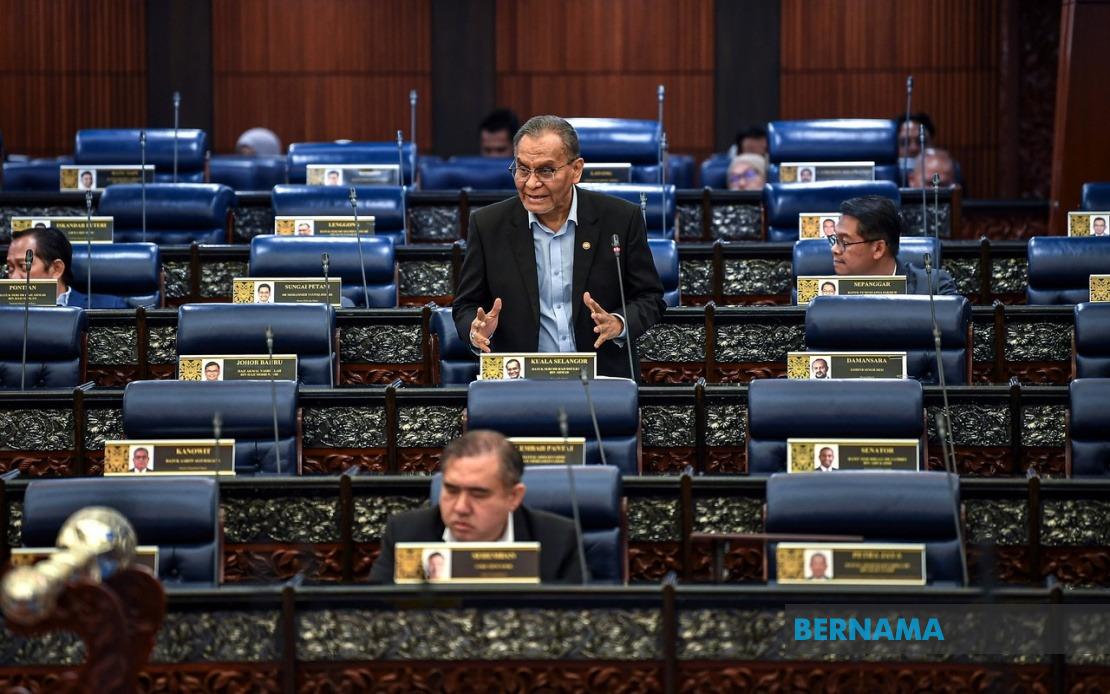
The Ministry of Health has signalled its determination to stabilize Malaysia's flagging private clinic sector through a combination of regulatory reforms and collaborative frameworks designed to prevent further business failures. Speaking during parliamentary question time, Health Minister Datuk Seri Dr Dzulkefly Ahmad outlined a multi-pronged approach to address mounting pressures on privately-operated general practice clinics, which have faced an exodus of practitioners over the past decade.
The minister acknowledged having witnessed the vulnerability of private practitioners firsthand, particularly during the COVID-19 crisis when many clinics shuttered their doors permanently. His comments arrive as policymakers grapple with a persistent crisis: approximately 2,034 private medical clinics have ceased operations since 2013, representing a substantial erosion of accessible primary healthcare capacity. This contraction has forced greater reliance on government health facilities already struggling under demand, creating systemic bottlenecks that extend waiting times for routine care and preventive services.
At the heart of the government's response lies recognition that Malaysia's primary healthcare architecture depends critically on a functioning private sector. The national primary healthcare network comprises 2,916 MOH-operated health clinics alongside 10,208 private general practitioner facilities. This dual-track system means that private practitioners serve as essential shock absorbers for the public health system, providing frontline care that relieves pressure on government facilities. Without viable private clinics, the entire edifice becomes dangerously concentrated, undermining resilience and equity.
To directly address financial sustainability, the ministry has increased the minimum consultation fee ceiling for private medical practitioners to RM80, a substantial jump from the previous RM10 threshold. This regulatory intervention seeks to improve clinic revenues and allow practitioners to sustain operational costs without compromising service quality or cutting staff. The new fee structure reflects acknowledgment that the old benchmark had become economically disconnected from reality, leaving practitioners unable to cover expenses while maintaining acceptable professional standards.
Beyond fee adjustments, the government plans to facilitate outsourcing arrangements that enable private clinics to remain economically viable while remaining competitive. These arrangements would likely involve contracting private practitioners to deliver specific services or absorb patient volumes through structured agreements with the public sector. Such models have precedent in developed healthcare systems, where government funding flows to private providers operating under quality and accessibility standards. The approach potentially creates win-win dynamics: private clinics gain stable revenue streams while the government optimizes utilization of available healthcare infrastructure.
A critical dimension of the sustainability strategy involves restructuring how non-communicable diseases are managed across the healthcare system. The prevalence of diabetes, hypertension, cardiovascular disease, and obesity has accelerated dramatically, creating a management burden that government hospitals alone cannot adequately shoulder. By engaging private clinics as partners in chronic disease surveillance and management, the system can distribute this load more efficiently. The government has incorporated this collaborative disease-management framework into the 13th Malaysia Plan, signalling long-term commitment rather than temporary expedients.
The model the government is advancing draws inspiration from healthcare systems in countries like the United Kingdom and Taiwan, where structured collaboration between government and private primary care providers has demonstrated success in managing population health and reducing hospital pressure. In these systems, general practitioners—whether in public or private practice—serve as gatekeepers who manage chronic diseases, screen for complications, and refer only when specialist intervention becomes necessary. This tiered approach optimizes resource allocation and improves patient outcomes by catching disease earlier in the clinical trajectory.
A complicating factor remains the declining recruitment of house officers into private practice. Newly qualified doctors increasingly favour government or hospital-based positions, lured by institutional resources, training opportunities, and perceived job security. This trend threatens the long-term sustainability of private practice by raising the average age of practitioners while limiting knowledge transfer and business succession. The government's support mechanisms will likely need to address this deeper structural challenge, perhaps through scholarship programs, mentorship initiatives, or reformed training pathways that elevate private practice as a career destination.
The emphasis on sustaining private clinics reflects broader health policy recognition that universal healthcare access cannot be achieved through government facilities alone, particularly in middle-income countries where competing budget demands limit public health investment. Malaysia faces the paradox that its government health system, though extensive, operates under significant resource constraints relative to population needs and disease burden. Private practitioners, despite their for-profit orientation, deliver substantial volumes of primary care that would otherwise overwhelm the public system. Their collapse would impose cascading costs on government hospitals, lengthening waiting lists and degrading service quality for all Malaysians.
For the private medical community, the policy shift represents tacit acknowledgment that market forces alone cannot sustain primary healthcare provision meeting broader social objectives. While practitioners have long advocated for regulatory relief and financial support, the government's intervention signals readiness to rethink the public-private boundary in healthcare delivery. This creates space for negotiation around fee setting, service specifications, and professional autonomy—negotiations that will shape the practical viability of the announced support mechanisms.
The announcement also carries implications for healthcare access and equity across socioeconomic strata. If private clinics strengthen through these interventions, higher-income Malaysians will likely continue receiving care in that sector while lower-income populations depend disproportionately on government facilities. Ensuring that public-private collaboration arrangements protect affordability for vulnerable groups will be critical to avoiding a two-tiered system that exacerbates existing health disparities. The government's approach will succeed or fail partly based on how effectively it balances private sector viability with obligations to ensure equitable access for all citizens.