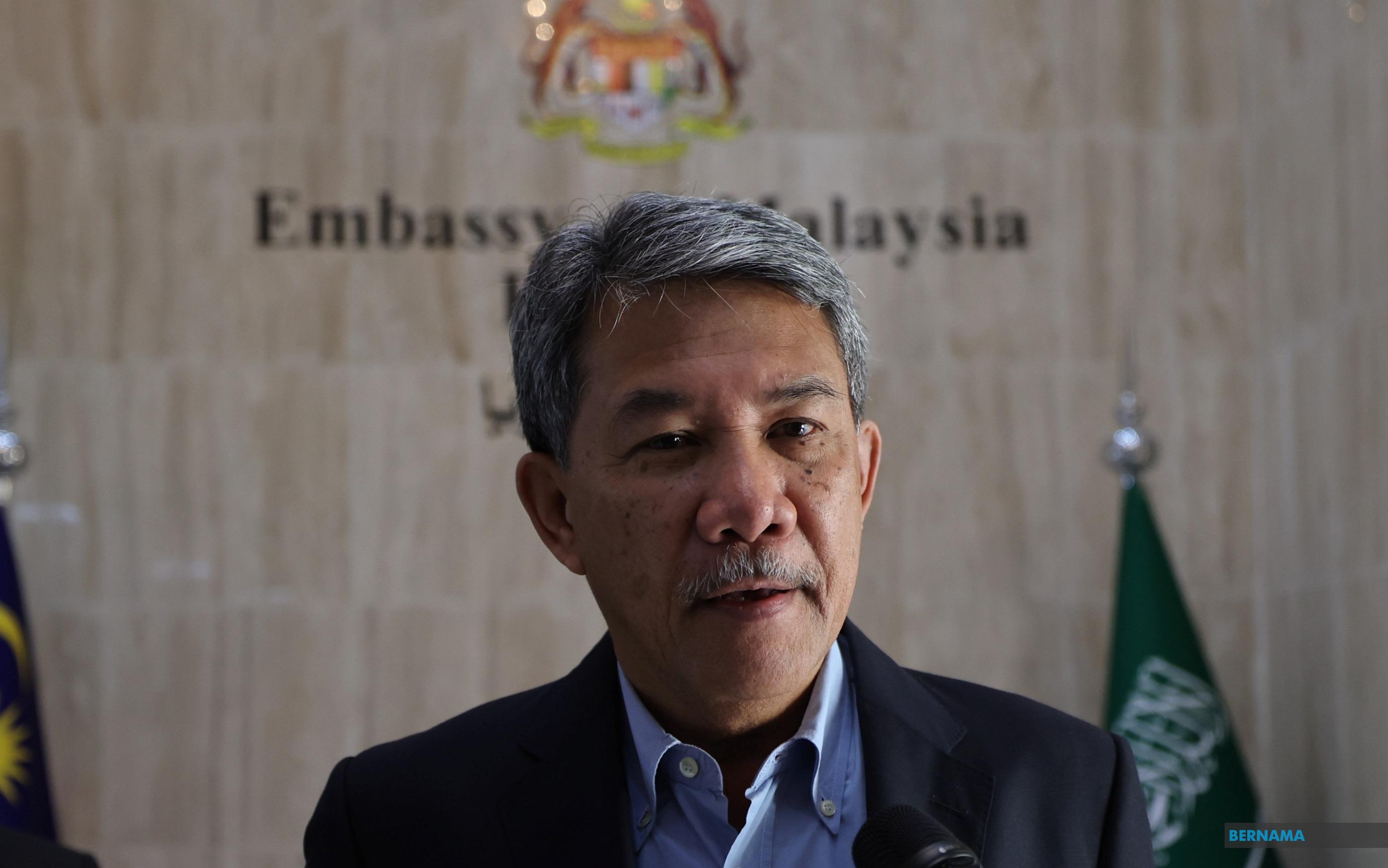
Foreign Minister Datuk Seri Mohamad Hasan has embarked on a three-day working visit to Brunei, arriving in Bandar Seri Begawan on August 20 with a packed agenda centred on deepening bilateral ties and resolving outstanding issues between the two neighbouring nations. The visit, scheduled to conclude on August 22, represents a critical opportunity for Malaysia to reinforce its relationship with Brunei during a period of heightened regional cooperation initiatives across Southeast Asia.
The visit's centrepiece comprises two significant bilateral engagements. The first, scheduled for August 21, involves the 27th Malaysia-Brunei Exchange of Letters (EOL-27) Implementation Meeting, which Mohamad Hasan will co-chair alongside Brunei's Second Minister of Foreign Affairs, Datuk Seri Setia Erywan Mohd Yusof. This gathering follows the comprehensive 27th Malaysia-Brunei Annual Leaders' Consultation (ALC-27) on August 22, a higher-level forum that typically brings together the countries' most senior officials to address strategic matters.
The Exchange of Letters mechanism serves as a fundamental institutional pillar for Malaysia-Brunei relations, functioning as a structured dialogue platform for identifying and resolving bilateral friction points. Beyond dispute resolution, the meeting provides essential space for both governments to explore untapped areas of cooperation and assess the implementation status of commitments made during last year's ALC-26 gathering. This continuity in annual consultations demonstrates the maturity and robustness of the Malaysia-Brunei diplomatic relationship, particularly given the complex issues that frequently require attention.
Among the substantive matters expected to dominate discussions are long-standing land and maritime boundary questions that have periodically complicated the relationship between the two nations. These territorial considerations remain sensitive in the broader context of Southeast Asian geopolitics, where maritime demarcation issues have proven contentious across multiple bilateral relationships in the region. The willingness of both Malaysia and Brunei to engage constructively on these matters through established dialogue mechanisms reflects a commitment to managing disagreements through diplomatic channels rather than allowing tensions to escalate.
Economic cooperation figures prominently on the agenda, reflecting both nations' recognition that deepening commercial ties can anchor their broader relationship. The trade figures demonstrate the substantive nature of the Malaysia-Brunei economic partnership. In 2025, bilateral trade reached RM5.86 billion, equivalent to USD 1.37 billion, underscoring the significant commercial interdependence between these close neighbours. However, the more recent figure for the first half of 2026 shows RM2.38 billion in trade value, suggesting either seasonal variations or potential headwinds in bilateral commerce that both governments may seek to address through targeted policy measures.
For Malaysian policymakers, the Brunei visit holds particular strategic importance given Malaysia's broader positioning within ASEAN and its economic diversification efforts. Brunei, though geographically small and with a considerably smaller population than Malaysia, occupies a strategically significant position in Southeast Asia and maintains considerable financial resources that could support joint ventures and collaborative projects. Strengthening ties with Brunei also reinforces Malaysia's role as a key diplomatic actor within the regional bloc and demonstrates commitment to cultivating relationships with all member states regardless of their relative size.
The timing of Mohamad Hasan's visit aligns with a broader pattern of high-level diplomatic engagement across Southeast Asia as countries navigate complex regional challenges ranging from economic cooperation frameworks to evolving geopolitical dynamics in the South China Sea. Malaysia's consistent attention to bilateral relationships with individual ASEAN members, exemplified by regular ministerial visits and structured consultation mechanisms, contributes to regional stability and predictability. Such engagement becomes increasingly valuable in an environment characterised by shifting international alignments and competing strategic interests.
The annual leaders' consultation format has proven effective for both Malaysia and Brunei in sustaining relationship momentum and preventing minor disagreements from calcifying into serious disputes. By institutionalising regular high-level meetings and preliminary technical discussions through the Exchange of Letters mechanism, both countries have created a diplomatic architecture that can accommodate periodic tensions while preserving the overall relationship trajectory. This institutional approach contrasts with less formal arrangements that might allow bilateral friction to accumulate unchecked.
Looking forward, the outcomes of these discussions will likely shape Malaysia-Brunei cooperation across multiple sectors including trade, investment, tourism, and defence cooperation over the coming year. The implementation of agreements reached during these consultations also depends on sustained follow-up efforts by respective bureaucracies, making the monitoring function of these meetings particularly valuable for ensuring that diplomatic commitments translate into concrete outcomes benefiting citizens and businesses in both nations.

