Malaysia's Foreign Minister Datuk Seri Mohamad Hasan is set to represent the nation at an extraordinary gathering of the Organisation of Islamic Cooperation's Council of Foreign Ministers in Jeddah on August 27, where delegates will examine the evolving situation concerning Palestine and coordinate responses among member states. The one-day session represents a continuation of diplomatic efforts to forge unified positions on Palestinian affairs across the Islamic world, underscoring the significance that the OIC continues to place on this enduring geopolitical question.
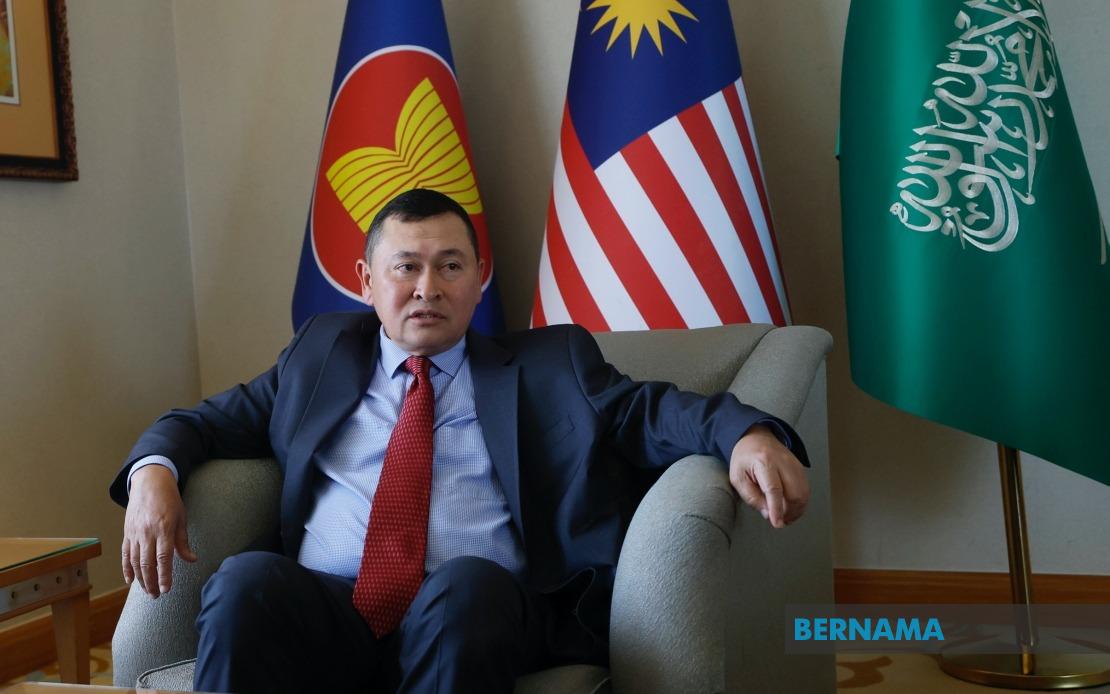
According to Malaysian Ambassador to Saudi Arabia Datuk Syed Bakri Syed Abdul Rahman, who is also Malaysia's Permanent Representative to the OIC, Mohamad will present Malaysia's National Statement to the assembly. This declaration will emphasise the nation's steadfast commitment to the legitimate aspirations of the Palestinian people and their entitlement to establish a fully independent and sovereign state aligned with the internationally recognised pre-1967 borders. The positioning of this statement reflects Malaysia's longstanding diplomatic stance and its consistent advocacy within multilateral forums on behalf of Palestinian self-determination.
Beyond the general affirmation of Palestinian rights, Mohamad's address will specifically tackle Israel's military operations currently underway and the catastrophic humanitarian consequences unfolding in Gaza. The Foreign Minister is expected to draw attention to the deteriorating conditions facing Palestinian civilians, alongside the situation in the West Bank, where the construction of Israeli settlements continues to expand in territory classified as occupied under international law. These specific focal points indicate Malaysia's intention to move the discussion beyond symbolic gestures toward substantive scrutiny of actions on the ground.
Syed Bakri emphasised that Malaysia regards its participation in this extraordinary session as crucial for demonstrating the nation's resolute position regarding Israeli conduct in Palestinian territories. By attending at the ministerial level with a prepared national statement, Malaysia signals that the Palestinian question remains a priority in its foreign policy calculus, particularly within the context of Islamic solidarity and regional geopolitics. This reflects the broader Malaysian diplomatic strategy of maintaining prominence in OIC affairs while balancing relationships with diverse international partners.
A central theme of Malaysia's intervention will be the call for the international community, and specifically OIC member states collectively, to escalate their efforts beyond rhetorical condemnation toward concrete and measurable actions. Malaysia contends that existing mechanisms and responses have proven insufficient to halt or reverse the developments affecting Palestinians, and that a more assertive coordinated approach among Islamic nations could yield tangible results in protecting Palestinian interests and rights. This messaging positions Malaysia as advocating for substantive engagement rather than ceremonial participation.
The humanitarian dimension features prominently in Malaysia's diplomatic approach to the Palestinian question. Syed Bakri reiterated Malaysia's commitment to providing material assistance to Palestinians affected by the ongoing conflict, with particular emphasis on ensuring that humanitarian aid successfully reaches vulnerable populations. Malaysia's track record of delivering aid to Gaza and the West Bank demonstrates this commitment moves beyond diplomatic posturing into operational reality, though logistical and political obstacles frequently impede such efforts. The Foreign Minister's statements signal Malaysia's intention to maintain and potentially expand these humanitarian initiatives.
The extraordinary meeting itself is structured as an important coordination platform, allowing OIC member states to align their diplomatic positions and develop collaborative responses to recent developments. By convening at the extraordinary level rather than conducting routine ministerial meetings, the OIC signals that current circumstances warrant heightened attention and expedited decision-making. For Malaysia, participation in such forums provides opportunities to shape collective OIC positions while demonstrating leadership within the Islamic bloc on key geopolitical issues.
Beyond the primary Palestinian agenda, the gathering is expected to address several supplementary matters, including the election of the OIC's secretary-general position. This parallel agenda reflects the multilayered nature of OIC diplomacy, where organisational governance questions often intersect with substantive policy discussions. Malaysia's involvement in both dimensions demonstrates its active role in steering OIC affairs and maintaining influence within the organisation's leadership structures.
The meeting is anticipated to culminate in the adoption of a formal resolution addressing Palestine and Al-Quds Al-Sharif, the Islamic designation for Jerusalem. This resolution is expected to articulate strong condemnation of Israeli aggression against Palestinians whilst simultaneously encouraging coordinated action among member states to advance Palestinian interests. Such resolutions, whilst often critiqued by some quarters as lacking enforcement mechanisms, serve important functions in codifying collective Islamic positions and creating diplomatic accountability among member states.
On the margins of the formal proceedings, Mohamad is scheduled to conduct bilateral meetings with foreign ministers from multiple countries. These side conversations will focus on deepening Malaysia's bilateral relationships and exploring expanded opportunities across business, trade, and investment portfolios. Such bilateral engagements often prove as significant as formal multilateral sessions, allowing ministers to discuss specific bilateral concerns whilst building personal relationships that facilitate future diplomatic cooperation. For Malaysia, these interactions represent opportunities to strengthen its regional standing and advance specific national interests beyond the Palestinian question.
Malaysia's delegation leadership by the Foreign Minister reflects the weightiness attached to this particular OIC gathering and demonstrates that the Palestinian question remains central to Malaysia's Islamic solidarity narrative and foreign policy identity. The combination of prepared statements, humanitarian commitments, and multilateral coordination efforts illustrates a multifaceted approach to the issue. For regional observers and Malaysian stakeholders, this engagement signals continuity in Malaysia's principled position on Palestinian rights whilst acknowledging the complex diplomatic environment within which such positions must be articulated and maintained.

