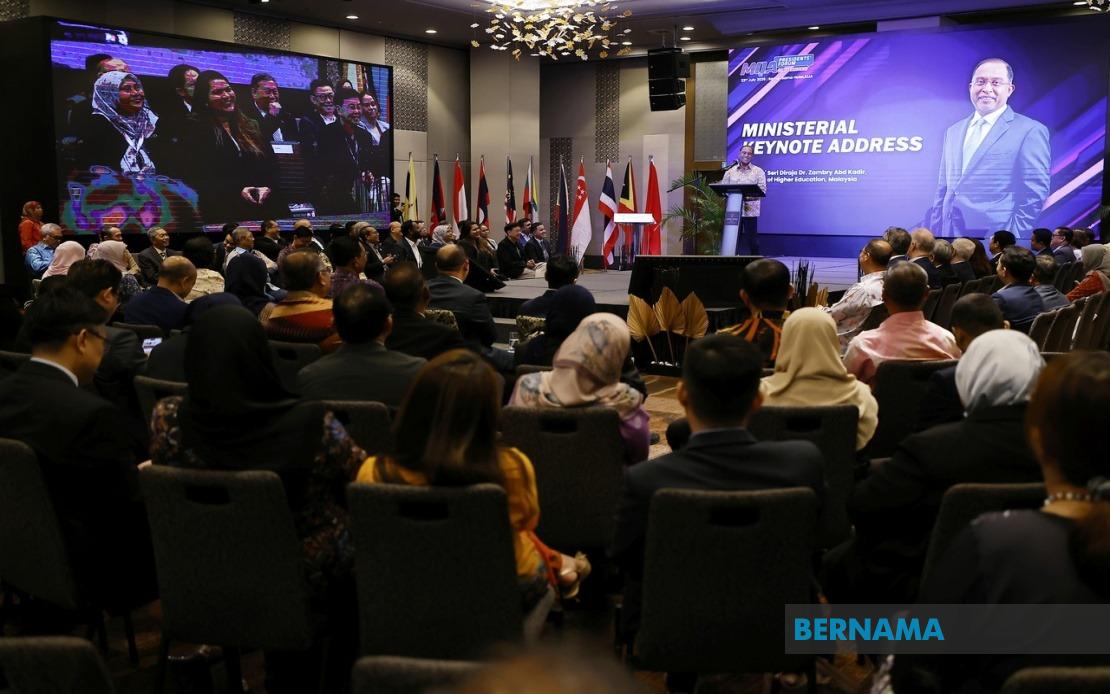
The Malaysian government is moving to resolve a mounting accommodation crisis at polytechnics across the country, with Higher Education Minister Datuk Seri Dr Zambry Abd Kadir announcing a comprehensive plan to repair and upgrade hostel facilities. Speaking at the 2026 Malaysian Qualifications Agency Presidents' Forum in Sepang on July 23, Zambry outlined measures being undertaken by the Ministry of Higher Education (MOHE) to address the infrastructure strain that has emerged at several institutions nationwide.
The accommodation shortage stems directly from an unprecedented surge in student enrollments at polytechnics and skills institutions. This year alone, polytechnics welcomed 30,488 new students during the first session of the 2026/2027 intake on June 22, representing a remarkable 125 per cent achievement rate in applications. The ministry's deliberate push to encourage more Sijil Pelajaran Malaysia (SPM) holders to pursue technical and vocational education and training (TVET) pathways has proven remarkably successful, fundamentally reshaping demand patterns across the polytechnic sector.
Zambry framed the accommodation challenge in a positive light, characterising it as an unexpected but welcome consequence of government policy success. The surge in applications reflects growing recognition among Malaysian students and families that TVET qualifications offer viable career pathways and economic prospects. By steering more secondary graduates toward technical fields, the government has achieved its objective of diversifying educational trajectories beyond the traditional academic route. However, this success has exposed serious infrastructure limitations at institutions that were not adequately prepared for such rapid expansion in student numbers.
The particular vulnerability appears concentrated at older polytechnic facilities with aging hostel buildings that require significant maintenance and repairs. Several institutions operate accommodation facilities that have deteriorated to levels that compromise student welfare and living conditions. The MOHE has acknowledged these deficiencies and initiated systematic identification of hostels requiring urgent attention. Institutions with buildings in poor structural condition or lacking adequate maintenance have been prioritised for remedial action.
In response to the challenge, Zambry indicated that the ministry has formally requested government approval and funding for repair and renovation works at multiple polytechnic sites identified as requiring urgent intervention. These requests encompass not merely cosmetic updates but substantive structural repairs and facility improvements necessary to ensure accommodation standards meet acceptable thresholds. The minister expressed confidence that these measures would proceed with appropriate speed, invoking religious assurance by stating "Insya-Allah, we will address the issue."
Administrative action has already commenced within the polytechnic system. Zambry instructed Polytechnic and Community College Education Department director-general Dr Shamsuri Abdullah to implement immediate measures addressing student placement challenges and related accommodation logistics. This intervention at the departmental leadership level signals the gravity with which the ministry regards the situation and the expectation of rapid operational response.
For Malaysian policymakers, this scenario illustrates both the success and limitations of recent TVET promotion initiatives. The 125 per cent achievement in applications demonstrates that significant latent demand exists among SPM graduates for technical education pathways. The strategic emphasis on steering students toward vocational qualifications has resonated with the student population and appears to be correcting long-standing historical biases that favoured academic over technical streams. This rebalancing serves Malaysia's broader economic objectives by developing skilled workforces aligned with industry needs.
However, the accommodation crisis also exposes planning deficiencies within the polytechnic system. Infrastructure expansion should have been anticipated and staged ahead of admission surges resulting from deliberate policy shifts. The reliance on existing hostel facilities, some decades old, reflects underinvestment in student residential infrastructure relative to pedagogical capacity. For regional observers, Malaysia's experience demonstrates that successful demand-side interventions to promote TVET must be coordinated with supply-side infrastructure planning to avoid creating student welfare problems that could undermine programme success.
The implications extend beyond immediate student comfort. Poor accommodation conditions risk student satisfaction levels and institutional reputation, potentially undermining the government's efforts to sustain elevated TVET participation rates. First-year students encountering substandard living facilities may develop negative perceptions of their polytechnic experience, affecting retention rates and completion outcomes. Conversely, timely hostel improvements could reinforce positive programme perception and encourage continued growth in TVET applications.
The financial commitment required for polytechnic hostel repairs represents a substantial but necessary investment. Beyond infrastructure costs, the accommodation issue highlights broader resource constraints within Malaysia's higher education system. As applications surge, polytechnics face compounding demands for academic facilities, practical training equipment, instructor development, and support services alongside accommodation provision. The MOHE's ability to secure sustained government funding for comprehensive polytechnic development will substantially influence the sector's capacity to absorb and accommodate future student cohorts.
Looking forward, MOHE's response to this accommodation challenge will establish precedents for managing growth in polytechnic enrolments. Successful resolution of current shortages could vindicate the government's TVET promotion strategy and position Malaysia as a regional leader in technical education expansion. Conversely, failure to address infrastructure deficiencies adequately could constrain future admission capacity and limit the ministry's ability to achieve its objectives for skills development across the workforce. The coming months will test whether government commitments to repair and upgrade hostel facilities translate into concrete action that improves student residential experiences.

