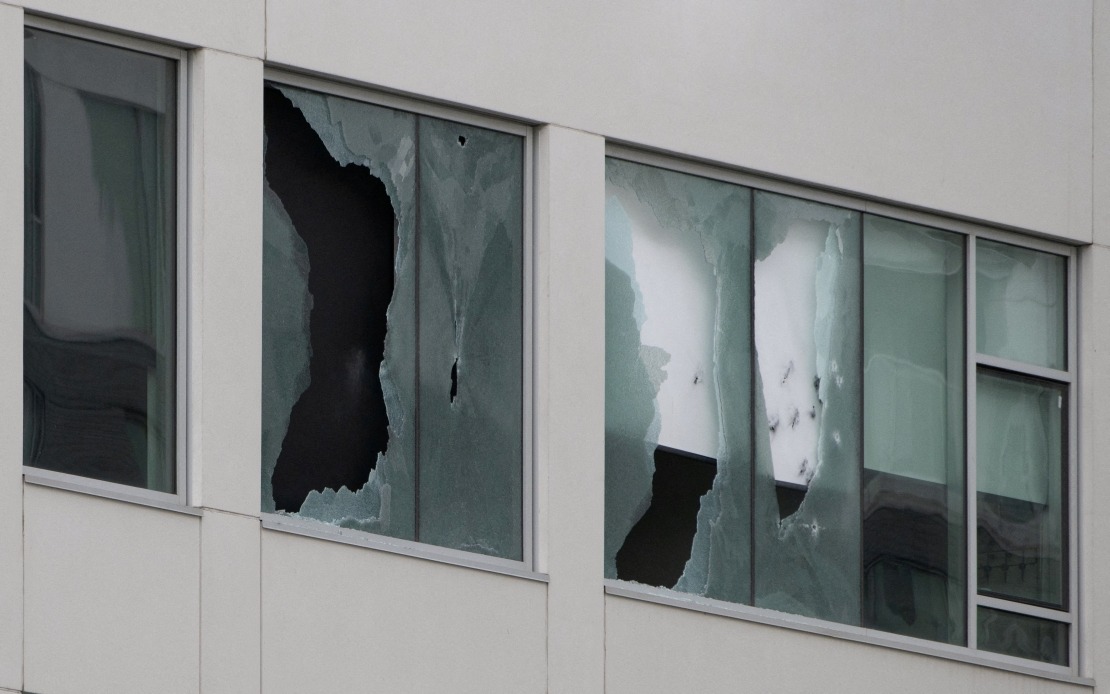
A deadly shooting in Montreal on Monday has left three people dead and two others injured, marking a significant incident in Canada's largest metropolitan area. The fatalities included a police officer killed while responding to the call, a civilian resident, and the suspected gunman, according to authorities. Montreal police announced the officer's death through social media, expressing profound sadness at the loss of one of their own while performing official duties. The incident has reignited concerns about public safety in the city and prompted renewed scrutiny of violence in residential neighbourhoods.
The shooting unfolded in the Côte-des-Neiges district, prompting an immediate armed response and area lockdown. Montreal police chief Fady Dagher confirmed that officers came under fire upon arrival at the scene, forcing them to engage the suspect. The shooter was subsequently neutralised by responding officers, ending the active threat. Investigators have determined that the attacker was operating independently, eliminating concerns about coordinated activity or additional suspects remaining at large. The emergency alert that had warned residents to remain indoors and secure their homes was lifted once the immediate danger passed.
Second officer and an additional civilian sustained injuries during the incident, though the police officer's condition improved to non-life-threatening status according to a police spokesman. The extent of the second victim's injuries remained less clearly documented in initial reports. Both injured individuals received medical attention, and authorities continue monitoring their recovery. The presence of multiple casualties within such a brief timeframe underscores the intensity and chaos that unfolded during the confrontation.
Authorities have explicitly ruled out any connection to terrorist activity, a determination that typically signifies the shooting was motivated by personal grievances or other factors rather than ideological extremism. Montreal police investigators are treating the case as a singular act rather than part of any broader coordinated threat. This distinction carries important implications for public safety messaging and community response, as terrorism-related incidents generally trigger heightened security protocols across multiple jurisdictions and agencies.
Media reports have suggested that the suspected gunman may have composed a manifesto containing language associated with the incel movement, a decentralised online subculture known for promoting extreme misogynistic views and anti-feminist ideologies. The incel community has been linked to several violent incidents in Canada and internationally, where perpetrators have articulated grievances centred on perceived sexual rejection and animosity toward women. However, security authorities have not yet formally confirmed these claims about the shooter's ideological motivations, and investigators are likely conducting thorough forensic analysis of any written materials to establish motive and mental state.
The killing of a police officer represents a particularly grave occurrence within Canadian law enforcement, where such deaths, though relatively infrequent compared to other nations, carry profound weight in the profession and broader community. The Montreal Police Service faces the complex task of investigating a shooting involving its own members, a process requiring careful handling to maintain public confidence while conducting thorough inquiry into the circumstances. The loss underscores the inherent risks that police officers face during emergency response, particularly when confronting armed and unstable individuals.
The Côte-des-Neiges neighbourhood, known as a diverse and densely populated residential area, was thrust into an extended state of alert as the incident developed. Residents experienced several hours of heightened anxiety as authorities cordoned off sections of the community and maintained their defensive posture. The broader impact on community well-being extends beyond the immediate casualties to encompass the psychological and social effects on neighbours, families, and those who witnessed emergency response activity.
For Southeast Asian observers and Malaysian readers particularly interested in North American security developments, this incident reflects broader concerns about targeted violence and the intersection of online radicalisation with isolated attacks. The potential connection to incel ideology warrants attention as similar movements maintain active online presence across Asia-Pacific regions, sometimes attracting vulnerable individuals seeking community validation. Understanding the patterns and warning signs associated with such movements can inform community awareness and early intervention strategies.
Investigators continue their examination of evidence and circumstances surrounding the shooting, though authorities have indicated the investigation will remain active for an extended period. The detailed timeline, forensic evidence, and analysis of any recovered materials will eventually provide comprehensive understanding of the events leading to the confrontation. Montreal police anticipate releasing additional information as the investigation progresses and evidentiary examination concludes, though sensitivity regarding an ongoing case and respect for affected families will likely limit some disclosures.