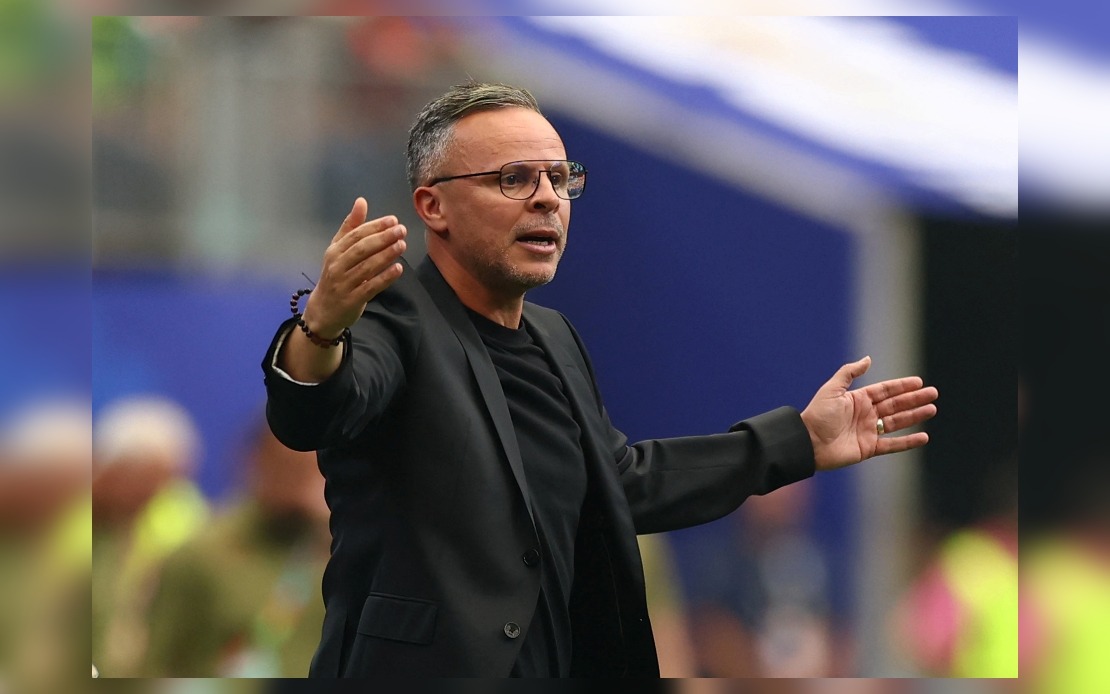
Morocco has transcended its previous identity as a tournament dark horse, establishing itself instead as a formidable World Cup competitor following a commanding 3-0 elimination of Canada in the Round of 16 matchup held in Houston. Head coach Mohamed Ouahbi made this declaration in his post-match comments, emphasizing that the Atlas Lions now demand respect and recognition as a serious contender rather than a footnote in the tournament narrative. The stunning scoreline, achieved through goals from Azzedine Ounahi and Soufiane Rahimi, represents more than a simple victory—it symbolizes Morocco's evolution within the global footballing hierarchy and the vindication of their strategic approach to elite competition.
Ouahbi's confidence stems from tangible evidence of Morocco's sustained excellence on the world stage. The nation's progression to consecutive quarterfinals, coupled with their historic semifinal appearance in 2022, demonstrates consistency at the highest level rather than a one-tournament phenomenon. This trajectory positions Morocco alongside traditional European powerhouses in terms of competitive reliability and tactical sophistication. For Southeast Asian football observers, Morocco's rise offers instructive lessons about how emerging nations can systematically build competitive infrastructure and mentality to challenge established hierarchies.
The tactical narrative of the Canada encounter reveals the sophistication now defining Morocco's approach. Although Canada dominated proceedings during the opening forty-five minutes, deploying aggressive pressing and exploiting spaces with direct counter-attacking movements, Morocco's halftime adjustments proved decisive. Ouahbi identified specific modifications that shifted momentum fundamentally: positioning players to intercept passes destined for Canada's attacking runners and executing a deeper defensive shape that invited pressure while remaining organised in transition. These adjustments transformed the match's character entirely, shifting from a dangerous Canadian offensive threat to Moroccan control.
Ouahbi's strategic recalibration exemplifies modern football management, where flexibility and in-game intelligence separate champions from contenders. The coach implemented positional adjustments that forced Canada to defend with their goalkeeper behind them—a vulnerable position that invited penetrative passing and created numerical advantages in key defensive zones. This approach demonstrates a mature understanding of game management, moving beyond rigid formations toward dynamic, situation-responsive football. Such tactical intelligence increasingly characterises top-tier international competition across all confederations.
The second-half dominance proved comprehensive despite Canada's maintained intensity levels. Morocco's control manifested through improved technical execution and superior decision-making in possession, translating pressure into concrete attacking opportunities. Ounahi's two-goal contribution highlighted Morocco's potency in advanced areas, while Rahimi's late goal provided an exclamation mark that reflected the match's obvious trajectory. The magnitude of victory—unusual in knockout football's typically tense atmosphere—underscores the tactical gap that emerged between sides.
Ouahbi's pre-match expectations warrant examination, as they indicate recognition of Canada's genuine threat despite the eventual scoreline. The coach acknowledged anticipating Morocco's most challenging encounter to that point, validating Canada's competitive credentials while simultaneously suggesting confidence in his team's ability to overcome such opposition. This balanced perspective—respecting opponents while maintaining internal self-belief—characterises successful international management. Ouahbi avoided complacency despite favourable circumstances, a mindset essential for tournament progression.
Morocco's standing within African football has been transformed irreversibly. The achievement of reaching consecutive quarterfinals, preceded by 2022's unprecedented semifinal breach, establishes the nation as continental football's most accomplished recent performer. This status carries implications beyond sporting achievement, projecting soft power regionally and internationally while inspiring domestic grassroots development. For developing football nations across Asia, Africa, and the Middle East, Morocco exemplifies how strategic investment, coherent planning, and technical excellence can challenge entrenched global hierarchies.
The quarterfinal pairing against France presents a formidable examination of Morocco's developmental trajectory. France—established as a consistent global power and recent World Cup finalist—represents precisely the type of elite opposition that separates genuine contenders from tournament overachievers. Ouahbi's stated ambition to reach the final signals unwillingness to accept premature elimination, reflecting confidence extending beyond mere aspirational rhetoric. The absence of revenge motivation in Ouahbi's comments suggests maturity in competitive framing, positioning the encounter as another chapter in Morocco's upward trajectory rather than a personal vendetta.
Morocco's people represent the ultimate stakeholders in this sporting narrative. Ouahbi's repeated emphasis on making the nation proud acknowledges football's cultural significance within Moroccan society and the collective investment in national team success. This communal dimension distinguishes international football from domestic competition, elevating matches into expressions of national identity and collective aspiration. For Malaysian audiences, Morocco's example demonstrates how sporting achievement can galvanise national sentiment and create pride transcending geographical or economic circumstances.
The broader significance of Morocco's advancement extends beyond tournament mathematics toward representation within global football discourse. Moroccan players increasingly populate Europe's elite leagues, contributing to squad development while raising the profile of North African football internationally. This player development ecosystem strengthens the national team's competitive base, creating a virtuous cycle where international success attracts better career opportunities, which in turn improves national team quality. Such structural improvements represent the foundation upon which sustained competitiveness rests.
Ouahbi's conviction that Morocco's journey has only begun suggests the coach perceives current achievement as developmental milestone rather than ceiling. This perspective embraces growth mentality essential for organisations aspiring toward consistent excellence. The narrative of Morocco as an emerging power rather than an established one provides psychological freedom to pursue ambitious objectives without defensive caution. However, sustaining this momentum requires continued investment in youth development, technical coaching, and tactical innovation.
Morocco's trajectory invites reflection on global football's evolving balance of power. Traditional hierarchies face genuine pressure from well-organised programmes emphasising tactical discipline, technical excellence, and generational development. The proliferation of competitive African and Asian teams challenging European dominance suggests football's future will feature greater parity and unpredictability. Morocco's positioning at this competitive inflection point reflects broader shifts reshaping international sport.
As Morocco prepares for the France encounter, the conversation surrounding their status has fundamentally shifted. The team enters the quarterfinal not as surprising overachievers but as legitimate heavyweight contenders capable of defeating any opponent through superior preparation and execution. This psychological repositioning, articulated through Ouahbi's confident pronouncements, may prove as significant as tactical adjustments in determining tournament outcomes. Morocco's evolution from surprise package to major footballing nation represents one of modern football's most instructive success stories.

