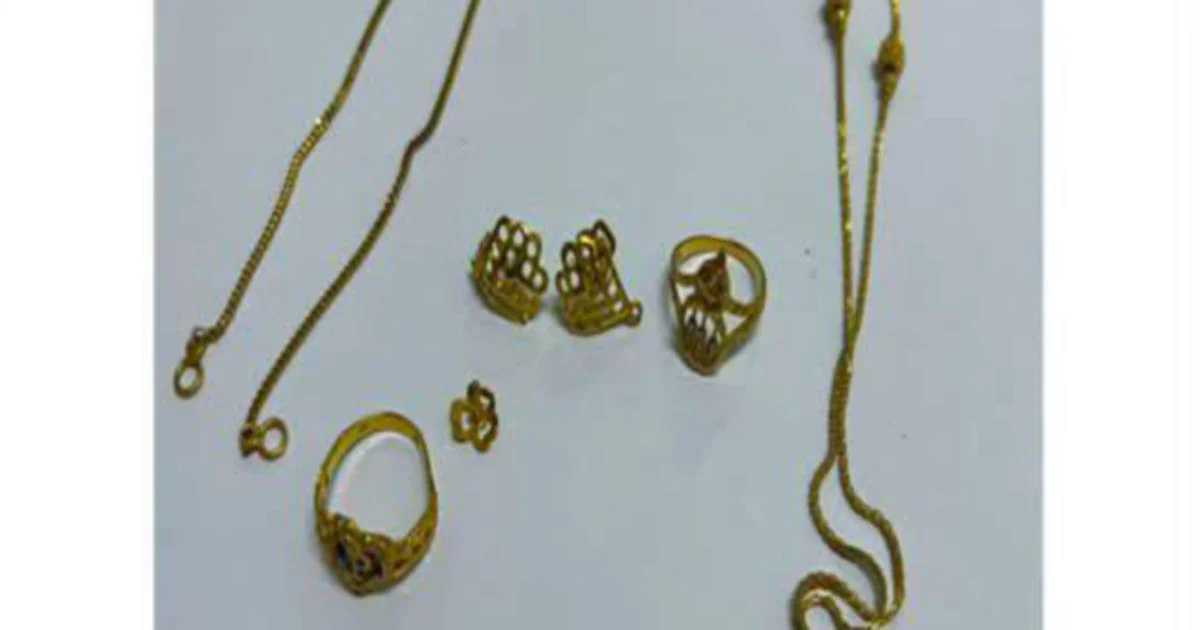
Law enforcement in Ipoh has taken into custody three members of the same family on suspicion of executing a fraudulent scheme that specifically targeted an elderly resident. The allegations centre on their impersonation of welfare department officials, a tactic that exploited the trust seniors typically place in government representatives and the authority such credentials suggest.
The victim, a 67-year-old woman, reported losing jewellery with an estimated value of RM8,000 during what she believed was a legitimate interaction with welfare officers conducting a routine check. The trio's decision to pose as representatives of social services provided them with a pretext to gain entry to her home and gain her confidence—a common feature of advanced-fee and asset-theft fraud schemes that disproportionately affect vulnerable populations throughout Malaysia and the region.
This arrest represents an escalation in scam sophistication that has become increasingly troubling for authorities managing elder fraud cases. Rather than relying purely on telephone calls or unsolicited messages—the traditional vectors for con operations—the suspects allegedly opted for face-to-face deception, which typically generates higher success rates because it allows perpetrators to assess targets in real time and deploy persuasion tactics adapted to individual circumstances.
The family unit's involvement in the alleged crime raises questions about how criminal networks recruit and train operatives. When family members participate together in fraud, it often suggests either coercion within the household or that criminal activity has become normalised among relatives—both concerning social dynamics that law enforcement agencies must consider during investigation and prosecution phases.
Police operations in Perak have increasingly focused on welfare-related impersonation schemes following reports that suggest these scams are becoming more prevalent. The simplicity of acquiring fake identification or uniforms that resemble government department attire has made this particular fraud vector accessible to opportunistic criminals without significant infrastructure or organisational resources. The tactic exploits both the legitimate visibility of welfare officers in communities and the natural reluctance of elderly citizens to question or challenge persons claiming to hold official positions.
The RM8,000 loss, while significant for an individual household, reflects a pattern observed across multiple documented cases throughout the region. These sums rarely represent the total impact, as victims frequently spend considerable resources pursuing recovery through police reports and civil channels, creating compounding financial and emotional strain. Older persons targeted in such schemes often experience lasting trauma affecting their willingness to interact with genuine government services subsequently.
For Malaysian society, this case underscores the urgency of strengthening protective mechanisms around vulnerable demographics. Educational campaigns about how genuine welfare officers operate—including verification procedures, identification protocols, and communication channels—could substantially reduce victims' susceptibility to such schemes. Many elderly citizens remain unaware that legitimate government representatives typically provide advance notice of home visits through official channels and carry verifiable credentials that can be confirmed independently.
The broader context of elder fraud in Malaysia reveals systemic vulnerabilities. As the population ages and digital literacy gaps persist among older residents, criminals have identified an expanding target market. Scammers exploit generational differences in attitudes toward authority, social hierarchies, and interpersonal trust, all of which can make elderly individuals reluctant to refuse requests or demand stronger proof of legitimacy from persons claiming official status.
Community-based prevention efforts have shown measurable success in other jurisdictions. Programmes encouraging family members to check on elderly relatives, establishing neighbourhood watch schemes alert to suspicious visitors, and creating direct reporting lines to police for suspected fraud attempts have all contributed to reducing victimisation rates. In Malaysia's context, community leaders, religious organisations, and local government bodies could serve as frontline educators and advocates for protective practices.
The investigation process following these arrests will likely examine whether the mother and her two children operated independently or as part of a larger syndicate. Understanding the structure of such operations helps authorities dismantle networks and identify whether additional victims exist. Previous cases have revealed that successful scams of this nature often generate repeat offences against multiple targets, suggesting the potential for discovering further crimes through thorough investigative work.
This incident also carries implications for how government agencies manage their public-facing operations. Welfare department officials and other representatives of social services increasingly face the challenge of maintaining public accessibility while contending with the reality that their identities and positions are targets for fraudulent impersonation. Enhanced verification systems, official registries of scheduled home visits, and public education about how to verify official status represent practical responses agencies can implement.
For Malaysian readers, particularly those with elderly family members, the case serves as a reminder to establish clear communication protocols with seniors about how legitimate government services operate. Encouraging older relatives to verify unexpected visitors by contacting relevant agencies directly through official numbers, rather than relying on contact information provided by the visitors themselves, represents a straightforward protective measure with proven effectiveness.
As investigations proceed, the Ipoh police findings may yield broader patterns about welfare impersonation fraud operating across Perak and neighbouring states, potentially informing regional law enforcement cooperation and coordinated prevention strategies that extend beyond state boundaries.

