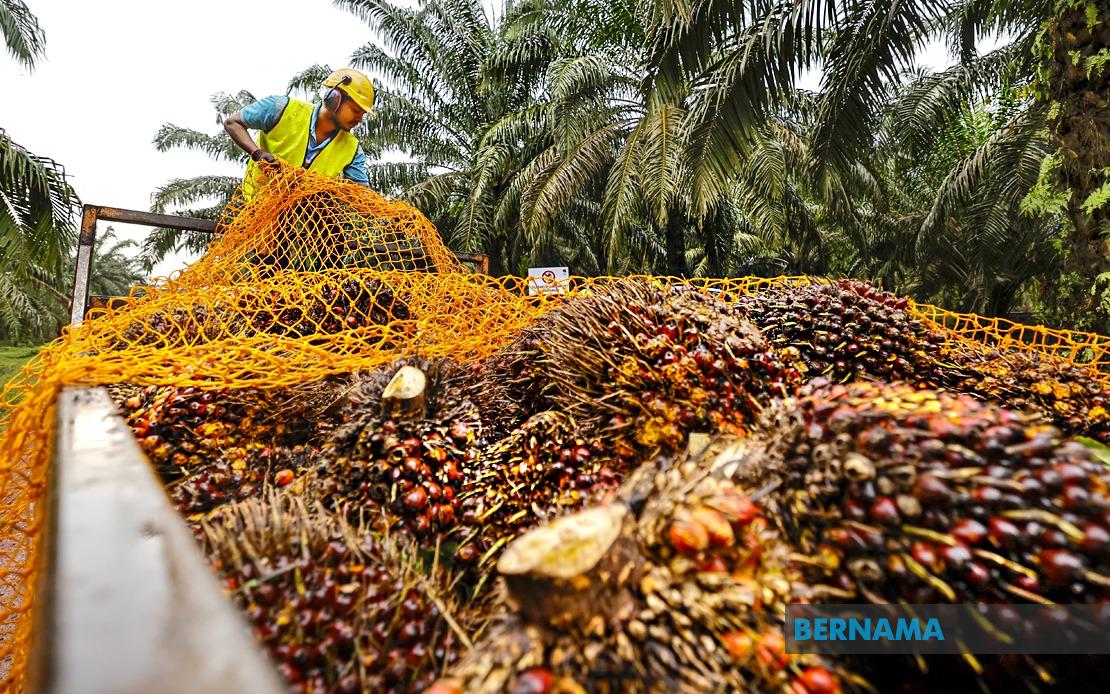
The Malaysian Palm Oil Board (MPOB) is set to construct a major research and development facility on a 40.47-hectare plot in Seri Mendapat, Sungai Rambai, with an investment valued between RM20 million and RM25 million. Melaka Chief Minister Datuk Seri Ab Rauf Yusoh unveiled the project during a visit to Kampung Seri Mendapat, describing it as a cornerstone initiative designed to revitalise the state's palm oil industry and position the sector as a driver of economic growth in the 13th Malaysia Plan.
The research station will serve as a multi-functional hub combining practical agricultural innovation with institutional capacity-building. The facility will incorporate a model plantation demonstrating best practices in sustainable cultivation, a dedicated research and development centre equipped with modern laboratory infrastructure, professional training programmes, residential quarters for TUNAS advisory officers and enforcement personnel, alongside complementary support facilities. This integrated approach reflects a shift in Malaysian commodity development strategy, moving beyond simple production towards knowledge-intensive operations that can compete globally.
Ab Rauf emphasised that the Sungai Rambai location will become a knowledge hub and innovation epicentre for the palm oil sector across Southeast Asia. Beyond its research functions, the facility is designed to generate employment opportunities within the local community whilst providing technical skills training to smallholders and estate workers. The project anticipates substantial economic multiplier effects, with spillover benefits reaching smallholder farmers and supporting businesses throughout the region. For Melaka, where nearly 45 per cent of Sungai Rambai's population comprises farmers and smallholders, such infrastructure development carries particular significance in sustaining rural livelihoods.
The research station aligns with the state government's broader strategic vision of transforming Melaka's commodity sector from a traditional income source into a modern, competitive enterprise capable of capturing higher-value segments of the global palm oil market. This repositioning acknowledges that commodity-based economies face mounting pressure from sustainability concerns, market consolidation, and technological disruption. By investing in research infrastructure and human capital development, Melaka aims to enable its producers to meet stringent international standards, adopt precision agriculture techniques, and participate in value-added processing.
Complementing the research station investment, the state government has committed RM400,000 to construct a five-kilometre private farm road at Ladang Lembah Kesang in Mukim Semujuk. Although infrastructure-focused rather than research-oriented, this project addresses critical practical constraints facing smallholder farmers. The road will reduce transportation distances to market, lower operational costs associated with produce delivery, and improve overall farm accessibility. These seemingly incremental improvements have significant cumulative impact on smallholder profitability and competitiveness. The state estimates that over 200 smallholders will benefit directly from this connectivity enhancement, underlining how rural infrastructure remains foundational to agricultural development strategies.
The MPOB has simultaneously launched its Smallholder Oil Palm Replanting Financing Incentive Scheme 2.0, offering eligible smallholders up to RM14,000 per hectare to replace ageing, low-productivity trees with superior seedling varieties. This financing mechanism addresses a longstanding challenge in Malaysian palm oil cultivation: replanting cycles require substantial upfront capital that many smallholders struggle to mobilise. By deferring repayment obligations until year five, the scheme reduces immediate financial pressure on farming households, allowing them to undertake rejuvenation without liquidating assets or accumulating unsustainable debt. The combination of financing support, research infrastructure, and physical connectivity creates a comprehensive ecosystem for smallholder modernisation.
Beyond commodity production, the state government has initiated flood mitigation efforts responding to concerns raised by the fishing community in Sungai Rambai. The administration has petitioned the federal government for RM200,000 to upgrade an ageing watergate structure at Jeti Sebatu, which has deteriorated after years of service. Simultaneously, drainage rehabilitation works along a 300-metre section of the Sungai Sebatu outlet are already proceeding, with RM350,000 allocated to enhance water flow management and reduce localised inundation risks. These investments acknowledge that agricultural development cannot proceed without addressing environmental and climatic vulnerabilities that threaten both farming and fishing communities.
The convergence of research infrastructure, smallholder financing, rural connectivity, and flood prevention represents a comprehensive rural development approach. For Malaysian policymakers, the Sungai Rambai initiative offers a model demonstrating how commodity sector modernisation requires simultaneous attention to multiple domains: technological capacity, financial inclusion, infrastructure, climate resilience, and livelihood sustainability. The project's significance extends beyond Melaka, as similar challenges confront palm oil-producing regions throughout Malaysia and Indonesia, making the outcomes and lessons from this intervention potentially instructive for broader Southeast Asian agricultural policy.
For Malaysian investors and agribusiness operators, the MPOB research station signals government commitment to developing the domestic palm oil sector's competitive advantages through research-backed innovation rather than simply expanding production volume. This orientation increasingly matters as international markets impose stricter sustainability and traceability requirements. A domestically-anchored research capacity can accelerate adoption of precision techniques, develop high-yield varieties suited to Malaysian growing conditions, and establish quality certifications that command premium prices in discerning export markets. The facility thus represents investment in intellectual capital as much as physical infrastructure.
The Melaka initiative also reflects recognition that smallholder farmers, who constitute a substantial portion of Malaysian palm oil production, require differentiated support mechanisms distinct from large estate operations. Smallholders typically lack individual access to research findings, advanced financing, and market information that larger commercial entities command. By concentrating research outputs, training programmes, and advisory services at Sungai Rambai, the MPOB creates an institutional focal point through which smallholders can access knowledge and support previously concentrated among larger operators. This democratisation of agricultural innovation capacity addresses persistent productivity gaps between smallholder and estate sectors.
The project timeline remains undefined, though its positioning within the 13th Malaysia Plan framework suggests implementation across the medium term. As the research station develops, its performance in supporting smallholder productivity, generating employment, and contributing to Melaka's rural economic growth will inform future commodity development initiatives across Malaysia. The facility's success will ultimately depend on whether it translates research outputs into practical farmer adoption, whether training programmes attract and retain qualified personnel, and whether the economic spillovers extend beyond immediate research activities into broader community development. These implementation challenges will determine whether the RM20-25 million investment catalyses the transformative rural development its architects envision.

