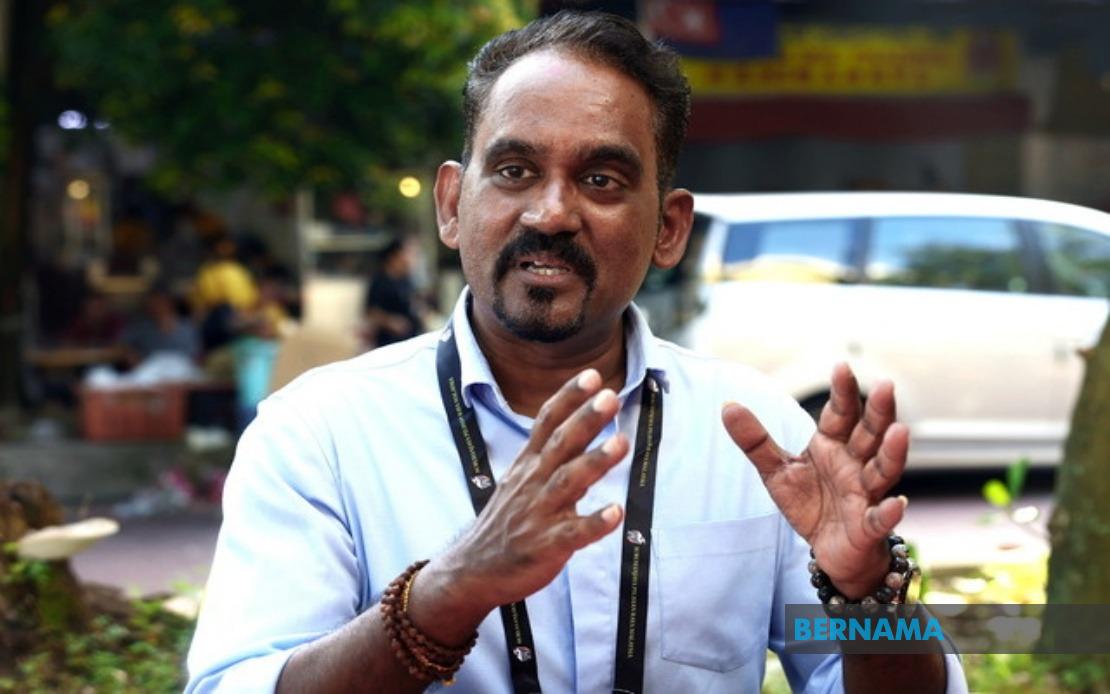
The Malaysian United Democratic Alliance (MUDA) is targeting a breakthrough victory in the Bukit Batu state seat during the 16th Johor state election, with candidate M. Premanand expressing strong confidence in the party's prospects in the constituency. Speaking in Kulai on July 1, Premanand, a 53-year-old first-time state election candidate, indicated that MUDA's performance in this race could set the stage for broader gains across multiple seats in the state, particularly if voters respond favourably to the party's core messaging around transparency and governmental accountability.
Premanand's optimism draws from MUDA's track record in the previous Johor state election, where the party secured victory in Puteri Wangsa. That success established a foothold for MUDA in what has traditionally been competitive political terrain, and the party now hopes to replicate that achievement in Bukit Batu and potentially expand further. The candidate emphasized that voters in the area have demonstrated receptiveness to MUDA's platform, citing the party's commitment to institutional integrity and its founder Syed Saddiq Syed Abdul Rahman's personal reputation as factors driving support among constituents grappling with everyday governance challenges.
Premanand attributed much of his personal appeal to his deep roots within the Kulai community and his professional background as a trainer and organizational development consultant who has collaborated with companies across multiple Malaysian industries. This combination of local familiarity and technical expertise in workforce development positions him as a candidate capable of bridging the gap between residents' aspirations and concrete policy solutions. His background suggests a willingness to engage practical problems through systematic analysis rather than purely rhetorical approaches, which may resonate with voters seeking results-oriented representation.
Employment and wage competitiveness form the centrepiece of Premanand's development agenda for Bukit Batu, reflecting economic concerns that extend far beyond this single constituency. The candidate has identified a significant disconnect between what industries require in terms of worker skills and what young people in the region can actually offer, a structural mismatch that has contributed to underemployment and inadequate compensation even as living costs climb. This skills gap forces residents to accept below-market wages or seek opportunities abroad, particularly in Singapore, an outcome that Premanand views as both economically inefficient and socially damaging to community cohesion.
His vision involves transforming Bukit Batu into a regional model for wage standards and employment quality, with benefits extending across Johor and potentially serving as a template for other Malaysian states confronting similar labour market challenges. By addressing the underlying mismatch between available jobs and worker capabilities, Premanand argues that residents could secure decent livelihoods without pursuing cross-border employment. This approach recognizes that wage issues are not merely matters of employer generosity but reflect systemic failures in skills development, sectoral planning, and workforce preparation that require comprehensive intervention rather than ad-hoc solutions.
Beyond employment concerns, Premanand has also flagged flooding as a pressing infrastructure issue demanding urgent remedial action in Bukit Batu. The constituency has experienced recurring flood events that disrupt economic activity, damage property, and create humanitarian challenges for affected residents. The candidate's commitment to strengthening flood mitigation infrastructure reflects an understanding that residents' quality of life depends not only on wages but on basic protections against environmental hazards. Comprehensive flood management involves both hard infrastructure improvements and integrated water resource planning, areas where coordinated state and local government action proves essential.
The Bukit Batu contest has evolved into a genuinely competitive multi-cornered race that will test MUDA's appeal beyond its core base. In addition to Premanand's MUDA candidacy, the seat will see contests from Barisan Nasional's R. Kumaran, Pakatan Harapan's Arthur Chiong Sen Sern, Parti Bersama Malaysia's G. Tamili, and independent candidate Datuk Kamaruzaman Ali. This fragmentation reflects broader realignments in Malaysian politics as voters increasingly explore alternatives to the traditional BN-PH duopoly, with parties like MUDA positioning themselves as principled challengers offering fresh approaches to governance and representation.
The presence of Pakatan Harapan in the race adds another layer of complexity, as PH remains the primary opposition coalition despite its mixed electoral performance and internal organizational challenges. MUDA's task involves simultaneously differentiating itself from PH while competing against both the ruling Barisan Nasional and the newer Parti Bersama Malaysia, which has been positioning itself as a centrist alternative. The independent candidate, Datuk Kamaruzaman Ali, may also fragment support further, particularly if he retains personal followings established through prior political involvement.
Johor's significance to Malaysian politics extends well beyond the state itself, given its large population, strategic location, and role as a bellwether for national political trends. The 16th state election, scheduled for July 11 with early voting on July 7, arrives during a period of substantial fluidity in the country's political landscape. Results in Johor will influence calculations across multiple parties regarding coalition strategies, government stability at both state and federal levels, and the viability of newer parties like MUDA as serious political forces capable of delivering electoral victories.
MUDA's national profile has grown substantially since its founding, with the party attracting younger voters and professionals disillusioned by traditional political establishments. However, translating high visibility into sustained electoral success remains challenging, requiring the party to demonstrate capacity for effective governance and substantive policy delivery. Premanand's campaign in Bukit Batu, with its focus on practical employment solutions and infrastructure improvements rather than purely ideological appeals, may reflect a strategic maturation within MUDA toward concrete problem-solving.
The party's broader performance across all contested seats in Johor will prove more significant than any single constituency result, as victories or failures will shape perceptions of MUDA's electoral viability heading into future campaigns. For voters in Bukit Batu and across Johor, this election offers a meaningful choice among competing visions of governance, with MUDA positioning itself as a party capable of delivering both institutional integrity and practical solutions to the employment, wage, and infrastructure challenges confronting residents in an increasingly competitive economic environment.

