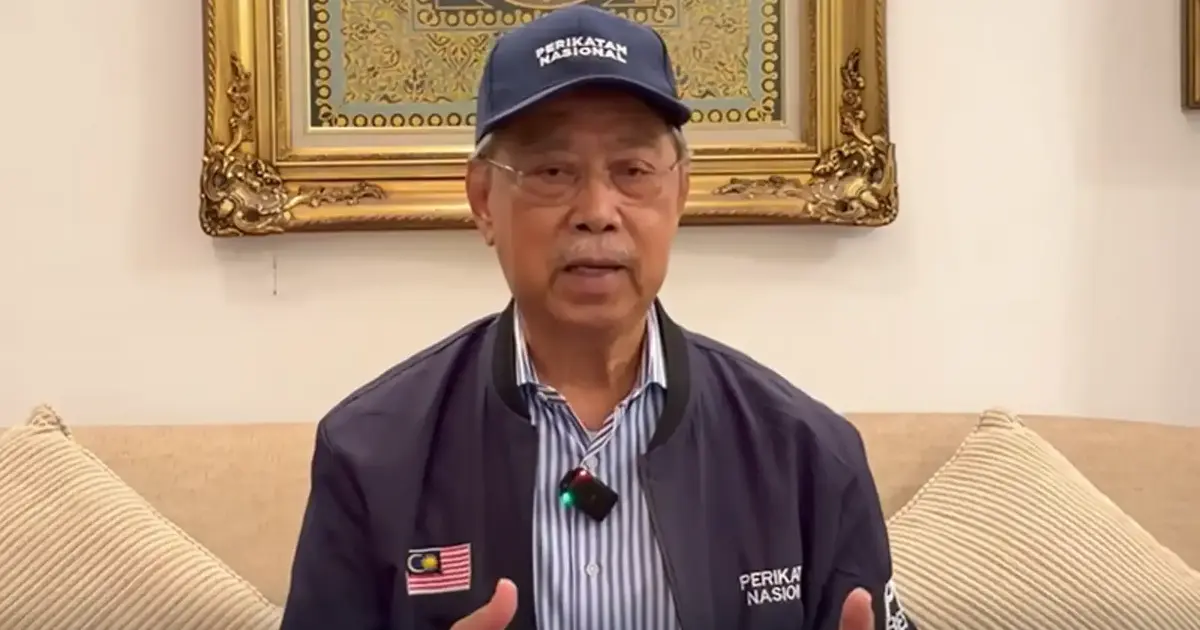
Muhyiddin Yassin, the Bersatu president and former menteri besar of Johor, has launched a direct appeal to voters in his home state, positioning himself as a son of Johor with a track record of public service. The appeal marks a significant strategic effort by Perikatan Nasional to reclaim political ground in a state that has long been influential in Malaysian politics, as the coalition seeks to convince voters to grant it another mandate at the ballot box.
Muhyiddin's invocation of his Johor credentials represents a calculated attempt to capitalise on regional identity and voter sentiment. By emphasising his tenure as menteri besar—a role that shaped his political reputation and visibility—he is attempting to forge a personal connection with constituents who may remember his period overseeing the state's administration. This approach reflects a broader strategy across Malaysian politics, where local roots and demonstrated familiarity with a region's unique challenges can translate into electoral support. For Perikatan Nasional, a coalition that has experienced significant political volatility in recent years, rekindling voter confidence through established leaders with proven administrative experience becomes a crucial messaging avenue.
The timing of Muhyiddin's appeal carries particular significance given the current state of Malaysian politics. Perikatan Nasional's coalition has faced internal tensions and shifting alliances since its emergence as a major political force. By appealing to voters as someone deeply embedded in Johor's political fabric, Muhyiddin is attempting to overcome broader doubts about the coalition's stability and coherence. His message that the struggle has consistently centred on serving the people aims to reframe Perikatan Nasional's narrative—moving beyond perceptions of factional politics toward a voter-centric framework.
Johor itself remains a politically strategic prize. As Malaysia's second-largest state by population and a key economic contributor, electoral outcomes in Johor have ripple effects across the country. The state has traditionally been a stronghold for certain political forces, and Perikatan Nasional's performance here will significantly influence its overall standing nationally. Muhyiddin's personal outreach suggests the coalition recognises that recapturing or consolidating support in Johor is essential to any broader political revival or fresh mandate.
The appeal also underscores Muhyiddin's continued relevance within Bersatu's leadership. As party president, his ability to mobilise voters and command attention in key constituencies affects the party's organisational health and electoral prospects. By positioning himself as a bridge between Bersatu's national ambitions and Johor's particular interests, Muhyiddin is attempting to strengthen both his personal political standing and the party's credibility in a region where personal networks and trust remain influential.
For voters in Johor, Muhyiddin's message offers a choice between supporting leaders with established track records versus alternatives. His emphasis on consistent dedication to the people frames Perikatan Nasional as a stable choice, counter to narratives suggesting the coalition prioritises elite interests or factional power struggles. This positioning becomes especially important in a state where pragmatism and results-oriented governance have historically resonated with electorates across different constituencies and demographic groups.
The broader context involves competition for Johor support among multiple political coalitions and individual parties. Perikatan Nasional does not operate in a vacuum; other coalition arrangements and independent political movements are simultaneously appealing to the same voters. Muhyiddin's appeal must therefore cut through a crowded political marketplace where competing claims and promises seek voter attention. His strategy of emphasising proven service and regional connection represents a differentiation approach, assuming that voters value demonstrated governance experience alongside broader political arguments.
For Southeast Asian observers, Muhyiddin's appeal reflects patterns evident across the region, where personal political brands, regional identity, and coalition-building remain central to electoral outcomes despite modernisation and urbanisation. Even as Malaysian politics evolves, appeals to shared regional heritage and personal political history retain considerable power—a dynamic that shapes candidate strategies and voter decision-making across multiple countries in the wider region.
The success of Muhyiddin's appeal will ultimately depend on whether Johorean voters believe that Perikatan Nasional's coalition structure genuinely serves their interests and whether they trust the party's ability to deliver on governance promises. His personal credibility as a former state leader becomes an asset only to the extent that voters credit him with accomplishments during his tenure and believe that renewed support will translate into similar or improved performance. The appeal therefore carries implicit questions about voter satisfaction with previous governance records and confidence in proposed future directions, matters that will undoubtedly emerge during electoral campaigns and political discourse in the coming period.

