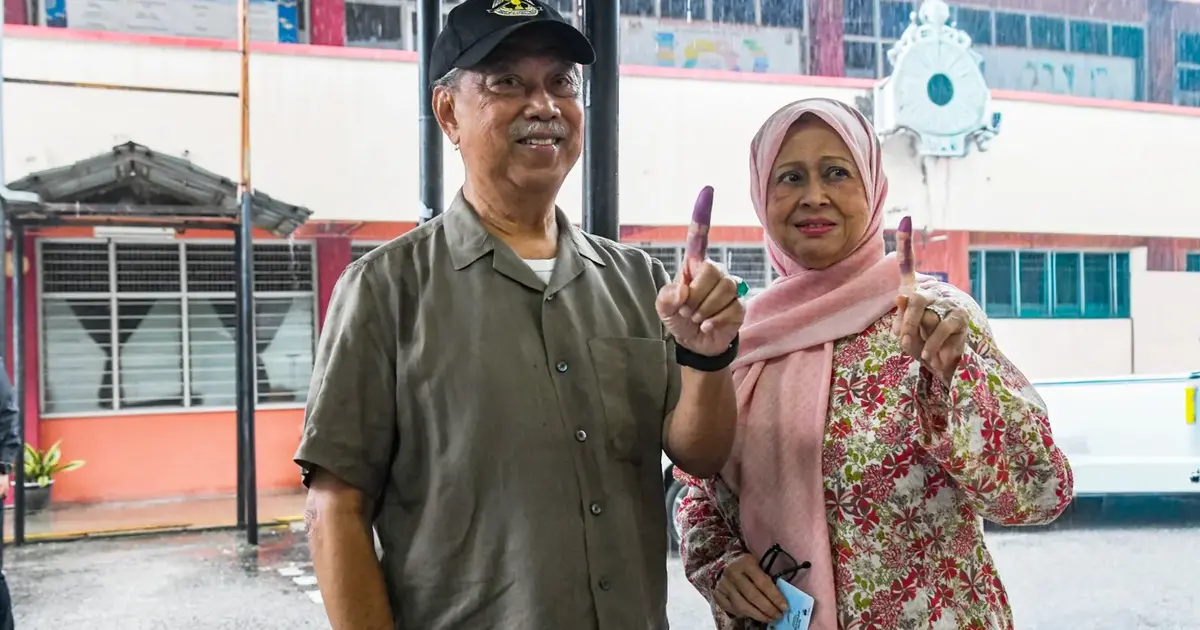
Bersatu president Muhyiddin Yassin has attempted to downplay concerns surrounding the withdrawal of Perlis's top elected officials from the party's Supreme Council, suggesting the development poses no significant threat to the coalition's stability. The move, which saw the Perlis Mentri Besar and several exco members step back from their roles within the council's structure, triggered questions about fractures within the party's leadership at the state level, but Muhyiddin's public response sought to contain the narrative by framing it as an internal administrative matter rather than a substantive political disagreement.
In his statement addressing the resignations, Muhyiddin indicated he was still gathering comprehensive information from relevant quarters before making any formal pronouncements. This measured approach reflects a broader pattern within Bersatu of attempting to manage internal disputes away from public scrutiny, particularly given the party's position within Malaysia's coalition government and its need to maintain internal cohesion amid ongoing political pressures. The Bersatu leader's decision to defer judgment pending a complete report suggests the party intends to resolve the situation through backroom channels rather than allowing it to escalate into a public row.
The resignation of Perlis's leadership from the Supreme Council carries implications beyond the immediate state level, as it underscores potential tensions between federal-level party directives and state-level political realities. Perlis, while geographically small, holds symbolic importance within Bersatu's overall structure, and any indication of dissatisfaction among its senior elected representatives could signal broader discontent within the party's broader membership. The fact that multiple officials withdrew simultaneously suggests a coordinated decision rather than isolated individual actions, lending weight to the possibility of deeper underlying grievances.
Muhyiddin's characterisation of the matter as something to be resolved internally reflects the party's preference for managing such incidents without external intervention or media amplification. This approach aligns with traditional Malaysian political culture, where intra-party disputes are frequently settled through negotiation and compromise behind closed doors rather than through public confrontation. However, the public nature of the resignation itself indicates that the issue has already entered the political sphere and cannot be entirely contained within party structures.
For Southeast Asian observers and political analysts, the incident raises broader questions about the stability of Bersatu as a political vehicle. The party has undergone significant structural changes since its formation, and internal cohesion has periodically been tested by competing ambitions and policy disagreements among its leadership. The withdrawal of Perlis officials, even if characterised as minor by Muhyiddin, adds to a growing pattern of localized resistance to centralised party control that has occasionally surfaced in other states.
The timing of the resignations warrants consideration within the context of Malaysia's political calendar and the ongoing dynamics within the ruling coalition. As Bersatu navigates its relationship with partner parties and prepares for various electoral cycles, internal harmony becomes increasingly important for projecting an image of stability to both coalition partners and voters. Any visible cracks in party unity, regardless of how they are publicly minimised, can undermine confidence in the party's institutional strength and leadership.
Muhyiddin's handling of the situation also demonstrates the balancing act required of party leaders who must simultaneously acknowledge internal issues while preventing them from becoming full-blown political crises. By awaiting a comprehensive report and committing to internal resolution, the Bersatu president positioned himself as a prudent administrator rather than a leader presiding over obvious dysfunction. This rhetorical strategy, however, depends on the party's ability to actually resolve the underlying causes of the resignations before fresh incidents emerge.
The involvement of multiple exco members alongside the Mentri Besar indicates that the issue likely transcends the preferences of a single individual and reflects a broader sentiment within Perlis's political establishment. Whether rooted in disputes over resource allocation, policy direction, or representation within party structures, the coordinated withdrawal suggests a calculated decision by the state's leadership to signal discontent with certain aspects of party functioning. The fact that they chose the Supreme Council as the venue for their withdrawal, rather than abandoning the party altogether, indicates they remain committed to Bersatu while seeking to adjust their participation level.
For Malaysian readers following political developments, the incident underscores the complexity of managing large political parties in a federal system where state-level leaders retain significant autonomy. The relationship between federal party headquarters and state-level machinery remains a constant tension point in Malaysian politics, and the Perlis resignations exemplify this ongoing dynamic. The manner in which Muhyiddin resolves this situation will set important precedents for how Bersatu handles similar challenges in other states.
Looking ahead, the real test of Muhyiddin's leadership will be whether the promised internal resolution actually addresses the substantive concerns of Perlis's leadership or merely provides a cosmetic fix that allows the issue to resurface. The coming weeks will reveal whether the Bersatu president's confidence in internal resolution mechanisms is justified or whether the matter requires more fundamental attention to state-level governance and party-leadership relations. For now, the party line remains that the situation is manageable and containable within existing party structures.

