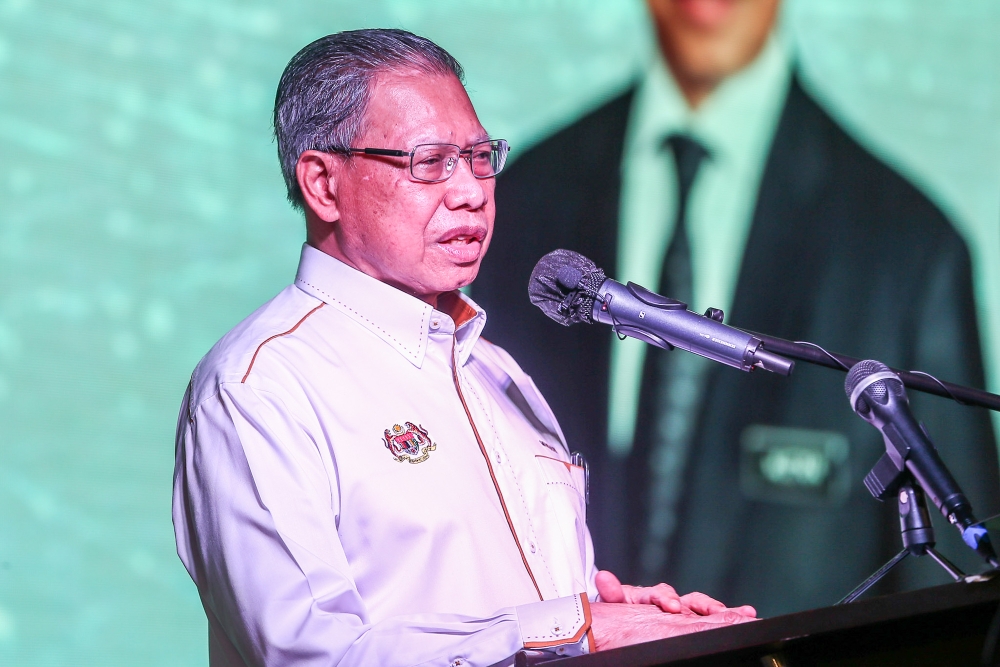
Datuk Seri Mustapa Mohamed, the veteran politician who represented Jeli across multiple parliamentary terms, has drawn a final line under his electoral ambitions by confirming he will not seek another seat in GE16. The 76-year-old former Member of Parliament made the announcement in Pasir Mas, signalling a deliberate step back from frontline politics after a lengthy career in national representation. His decision comes as Malaysia's political landscape grapples with questions about generational renewal and the transition of power from established figures to emerging leaders.
The former Jeli MP's stance reflects a broader conversation taking place within Malaysian politics about the need for experienced politicians to make space for younger cohorts. Mustapa Mohamed's public confirmation of his withdrawal from electoral politics carries symbolic weight in a country where senior politicians often remain engaged in contests well into their seventies and beyond. By articulating his intention not to stand, he has positioned himself as someone willing to voluntarily cede the political stage, a decision that stands in contrast to some peers who maintain their candidacies into advanced age.
Mustapa Mohamed has consistently championed the case for elevating younger political talent into positions of greater responsibility. His calls for the next generation to assume leadership roles extend beyond mere rhetoric; they reflect a recognition that Malaysia's future electoral contests will require fresh energy and contemporary perspectives. The emphasis on youth leadership assumes particular importance given the demographic composition of the electorate and the evolving policy challenges that confront the nation, from economic transformation to technological adaptation and climate considerations.
The veteran politician's position on age and political participation raises pertinent questions about succession planning within Malaysia's political parties and the mechanisms by which senior members transfer authority. Unlike systems with formal retirement thresholds, Malaysian politics operates through implicit understandings and individual decisions. Mustapa Mohamed's explicit statement therefore carries additional significance as it demonstrates a conscious choice to model the behaviour he advocates for other established figures.
His announcement intersects with broader demographic trends in Southeast Asian politics, where ageing populations of politicians have sometimes created bottlenecks in leadership renewal. Thailand, Singapore, and the Philippines have all grappled with questions about how to facilitate generational transitions within their political systems. Malaysia, by contrast, has largely relied on individual decisions and party mechanisms rather than formal age restrictions. Mustapa Mohamed's voluntary withdrawal suggests at least one prominent figure believes the informal approach remains workable if senior politicians exercise discretion.
The former MP's emphasis on youth leadership also implicitly acknowledges that next-generation politicians must be given genuine opportunities to develop their skills and build constituency support before major contests. Allowing younger aspirants to run for office and accumulate parliamentary experience becomes crucial for building a robust pipeline of capable leaders. When senior figures retain their seats into their seventies, they necessarily limit the opportunities available to those seeking to establish themselves in elected positions.
Within the Jeli constituency specifically, Mustapa Mohamed's decision opens possibilities for alternative candidates to emerge and compete for representation. The Kelantan seat has evolved politically over several decades, and new candidates may bring different priorities and engagement styles to their constituents. The transition could alter the political dynamics of the area and potentially shift how local issues are framed and addressed in parliament.
Mustapa Mohamed's political journey has encompassed multiple decades of national service, providing him with a repository of experience and institutional knowledge. His decision not to contest in GE16 does not necessarily signal a complete withdrawal from political influence; former parliamentarians often remain engaged through advisory roles, mentorship, and behind-the-scenes contributions to party strategy. However, his explicit renunciation of electoral candidacy sends a clear message that he believes his most direct contribution to the nation's future lies in facilitating rather than perpetuating his own parliamentary presence.
The timing of his announcement, made well in advance of GE16, allows his political party adequate time to identify and prepare alternative candidates. This forward-looking approach differs from sudden or last-minute announcements that can create organisational challenges for parties seeking to field competitive candidates. By declaring his intentions early, Mustapa Mohamed provides space for systematic candidate selection and development processes to unfold.
His calls for younger leaders to assume the helm gain credibility from the fact that he himself is embodying the principle he espouses. Politicians who advocate for generational change while simultaneously clinging to their own constituencies often face accusations of hypocrisy. Mustapa Mohamed's consistency between his stated position and his personal conduct strengthens his appeal for a more systematic approach to leadership succession across Malaysian political parties.
The broader implications of his stance extend to questions about how Malaysia can maintain political stability while simultaneously refreshing its leadership ranks. Generational transitions need not destabilise institutions if they occur methodically and with adequate preparation. Mustapa Mohamed's decision exemplifies one approach to managing this delicate balance, combining institutional continuity with openness to new voices and perspectives.
Looking forward, whether other senior Malaysian politicians will follow Mustapa Mohamed's example remains uncertain. However, his public commitment to stepping aside creates a reference point for discussions about appropriate age ranges for political candidacy and the responsibilities that come with holding significant positions. As Malaysia approaches its next general election, the conversation about who should contest and who should make space for fresh candidates will likely intensify, with figures like Mustapa Mohamed helping to shape the terms of that discussion.

