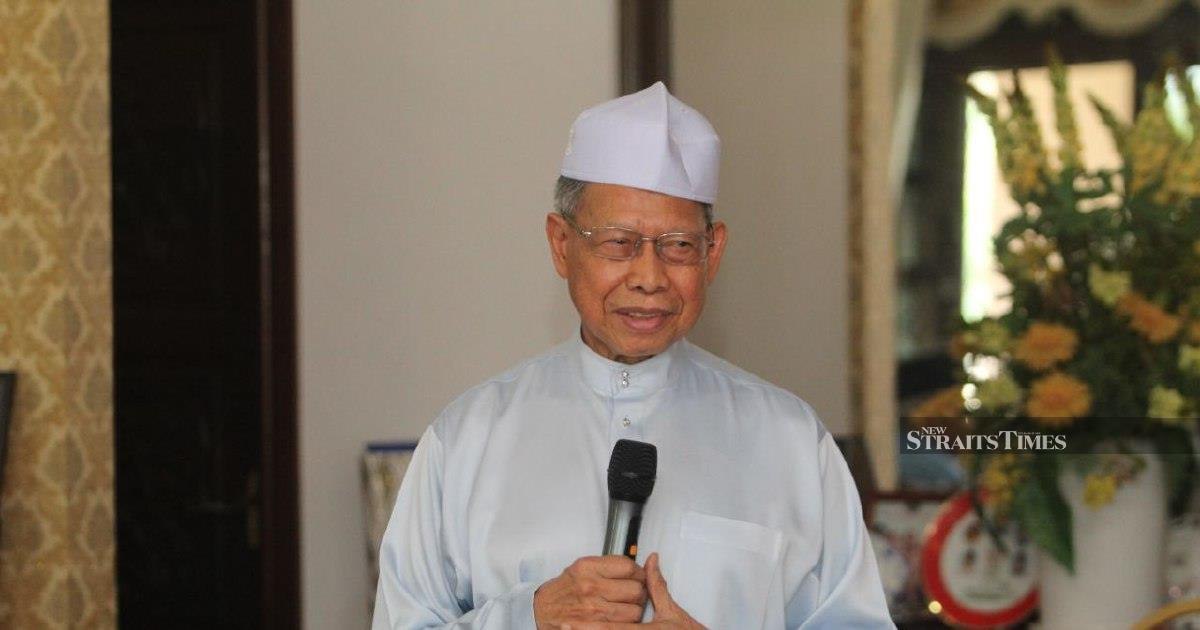
Datuk Seri Mustapa Mohamed, a veteran politician who served as Jeli's member of parliament and who has recently made his return to Umno, has definitively stated that he will not be stepping forward as a candidate in the forthcoming general election. The announcement marks a significant moment in the career of the long-serving politician, who has previously held prominent positions within Malaysia's largest Malay-Muslim party.
Making his position clear during an event in Pasir Mas, Mustapa Mohamed attributed his decision to health considerations that have affected his mobility. He explained that his current physical condition does not permit him to effectively fulfill the demanding role that an electoral contest and subsequent parliamentary duties would require. The candour of his statement underscores the reality that many senior politicians in Malaysia face as they advance through their careers.
Mustapa Mohamed's recent return to Umno represents a significant political move in itself. His decision to rejoin the party after a period of absence had generated considerable interest among political observers and party members alike. However, his announcement regarding the general election makes clear that his rejoining the party was motivated by factors beyond seeking electoral office in the near term. This suggests that his renewed commitment to Umno may be oriented more toward party consolidation and mentorship roles rather than personal political advancement.
The timing of his statement is particularly relevant given the ongoing speculation about the composition of candidate lists across Malaysia's political landscape. With the general election expected within the current parliamentary term, major parties are currently finalizing their selection of prospective candidates. Mustapa Mohamed's early and explicit withdrawal from this process helps clarify the talent pool available to Umno as it prepares its nominations.
For the Jeli constituency specifically, the announcement effectively opens the field for other contenders seeking Umno's nomination. Jeli has been historically significant as a Umno stronghold, and the choice of its next parliamentary representative will carry weight within party circles and among constituents who have long been represented by the party. The absence of a candidate of Mustapa Mohamed's stature and experience may prompt discussions about succession planning within the party's Kelantan operations.
Mustapa Mohamed's career trajectory has made him a figure of considerable influence within Umno and the broader Malay-Muslim political establishment. His previous roles and accumulated experience would normally position someone of his profile as a natural candidate for continued electoral participation, particularly at a time when many observers perceive that parties are competing for experienced leadership. His withdrawal based on personal health considerations sends an important message about political responsibility and self-awareness regarding one's capacity to serve.
The health dimension of his decision also reflects broader demographic realities affecting Malaysia's political class. As politicians age, questions about fitness for office become increasingly relevant both to individual decision-makers and to the public evaluating their leaders. Mustapa Mohamed's transparent acknowledgment that he cannot "walk steadily" demonstrates a willingness to be forthright about limitations, a stance that contrasts with instances where politicians attempt to obscure or downplay health-related concerns.
From a party perspective, Umno faces the challenge of renewing its candidate list while maintaining continuity and experience. The loss of potential candidates due to health considerations is not unusual in any political party, yet it underscores the necessity for systematic succession planning. How Umno manages the transition of constituencies previously held by long-serving members like Mustapa Mohamed will influence both its internal cohesion and its electoral prospects.
Mustapa Mohamed's decision may also have ripple effects across Umno's broader organizational structure in Kelantan. The state has been a traditional powerhouse for the party, and maintaining its electoral competitiveness depends on fielding candidates capable of retaining the considerable support base that Kelantan constituencies have historically delivered. The process of identifying and preparing suitable replacements for retiring or stepping-aside politicians is therefore a matter of strategic importance to party leadership.
Looking forward, the announcement allows both Mustapa Mohamed and Umno to manage the transition constructively rather than facing contested selections or acrimonious circumstances. His clear statement also prevents the kind of uncertainty that can emerge when senior figures remain ambiguous about their electoral intentions, potentially freezing decision-making within party structures and among potential alternative candidates.
For observers of Malaysian politics, Mustapa Mohamed's decision exemplifies the natural lifecycle of political careers in democracies where individuals must eventually step aside. While he has chosen not to contest the general election, his continued involvement with Umno and his potential contributions to party strategy and governance discussions remain significant. The reentry of experienced figures into mentoring and advisory roles, rather than purely electoral competition, represents one way that political systems can benefit from accumulated expertise while respecting the physical and professional limitations that come with advancing age and health considerations.

