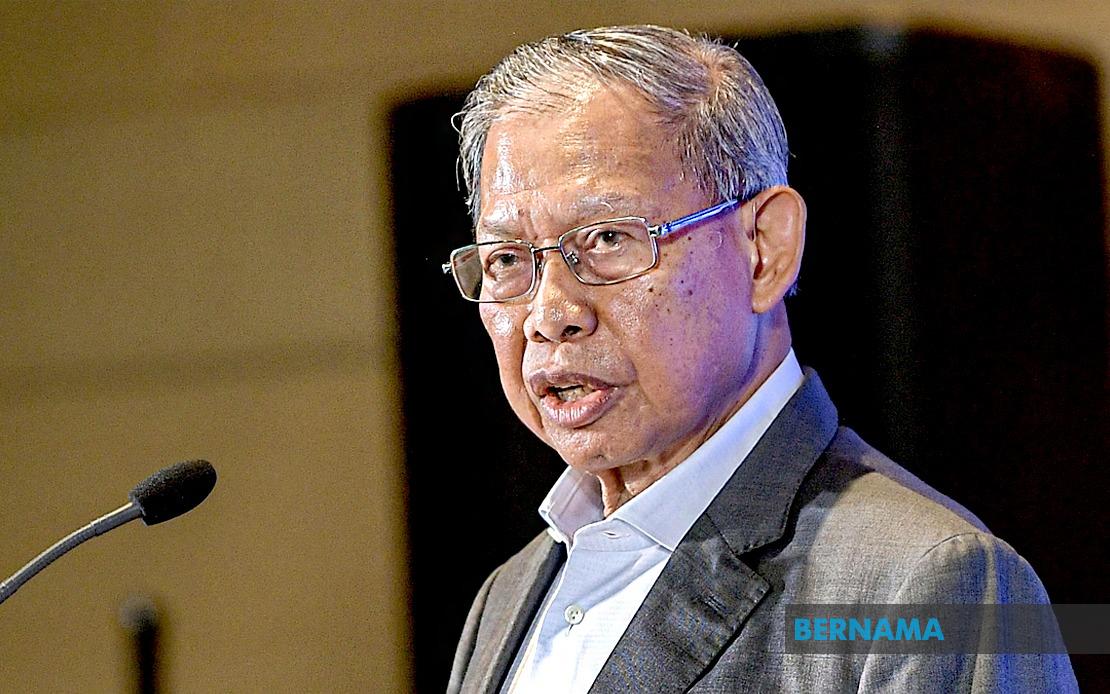
The 76-year-old former Jeli Member of Parliament Datuk Seri Mustapa Mohamed has made clear his intention to step back from electoral politics, announcing that he will not seek a seat in the 16th General Election. Speaking at a celebratory event honouring his return to UMNO and marking Independence Month celebrations in Pasir Mas, Mustapa reinforced his commitment to pass the political torch to a new generation of leaders better equipped to address Malaysia's evolving challenges.
Mustapa's candid remarks about his advancing age and physical limitations reflect a broader conversation within UMNO about generational succession and party renewal. At 76, he acknowledged that his body no longer possesses the vigour required for the demands of electoral politics, a sentiment that resonates with many voters increasingly calling for younger representation in Parliament. His willingness to articulate these constraints sets a potentially important precedent in Malaysian politics, where age and long tenure have historically been sources of political power rather than reasons for graceful retirement.
The former Minister of International Trade and Industry rejoined UMNO in June this year, nearly four years after his departure in September 2018 to join Bersatu during the turbulent post-2018 election period. His return to the party signals a consolidation within UMNO's ranks following years of internal fragmentation and coalition realignments. Rather than seeking a prominent electoral role to validate his comeback, Mustapa has instead positioned himself as a mentor figure, suggesting a shift towards leveraging accumulated experience in advisory rather than executive capacities.
While stepping away from the ballot, Mustapa expressed his determination to continue serving UMNO through alternative channels. He outlined plans to offer strategic guidance, share institutional knowledge, and facilitate stronger connections between the party and ordinary Malaysians. This approach reflects a recognition that political influence need not be confined to elected office, particularly for senior figures with decades of legislative and ministerial experience. His emphasis on supporting younger colleagues indicates awareness that sustainable party strength depends on effective talent cultivation and knowledge transfer.
Mustapa's intention to contribute through academic institutions represents another significant dimension of his planned involvement. By engaging with university students across both public and private higher education sectors, he aims to shape emerging leaders and share insights accumulated over a long career in trade and international relations. Such engagement could prove valuable during a period when Malaysian universities face mounting pressure to produce graduates equipped for complex global economic challenges.
The timing of Mustapa's pronouncement carries particular weight within the Malaysian political context. UMNO, as the dominant component of the current Barisan Nasional coalition government, faces mounting scrutiny regarding its internal renewal processes and capacity to attract younger talent. Mustapa's explicit acknowledgment that young people deserve electoral opportunities may serve as a subtle signal to the party hierarchy that generational transition should not be indefinitely postponed. His public stance could encourage other senior figures to similarly reconsider their electoral ambitions.
Mustapa's emphasis that physical decline should not prevent a party from recognising the potential of younger members touches on practical governance realities often sidestepped in Malaysian political discourse. The intensity of parliamentary work, the physical demands of constituency engagement, and the stamina required for the rigorous campaign schedule all impose genuine constraints on those in advancing years. His frank assessment suggests that future succession planning might benefit from similar candour about biological limitations rather than the protocol-driven transitions that have characterised Malaysian politics.
The trajectory of Mustapa's career mirrors broader shifts within Malaysian politics over the past two decades. His involvement across multiple administrations and his navigation of the 2018 political earthquake and subsequent coalition restructuring position him as a figure who has weathered significant political transformations. His current positioning as an elder statesman offering wisdom rather than seeking electoral re-entry could reflect lessons learned from observing how political systems evolve and how individuals can remain relevant beyond their years of direct electoral engagement.
For UMNO specifically, the question of how effectively it channels the wisdom of former ministers while creating genuine space for ascending talent remains unresolved. Mustapa's model suggests one possible pathway, though its success will depend on whether the party genuinely empowers younger leaders rather than confining them to subordinate roles while senior figures retain disproportionate influence. The coming years will test whether declarations of support for generational transition translate into substantive changes in party governance and candidate selection processes.
Mustapa's commitment to contributing to Malaysia's long-term excellence despite his withdrawal from electoral politics reflects an understanding that national development requires sustained effort across multiple channels. Whether through mentoring emerging politicians, sharing expertise with university students, or providing strategic input to party leadership, he envisions continued relevance and contribution beyond the term of a single parliamentary cycle. This perspective may offer a constructive model for other retiring politicians contemplating their post-election roles and how to remain meaningfully engaged with national development.

