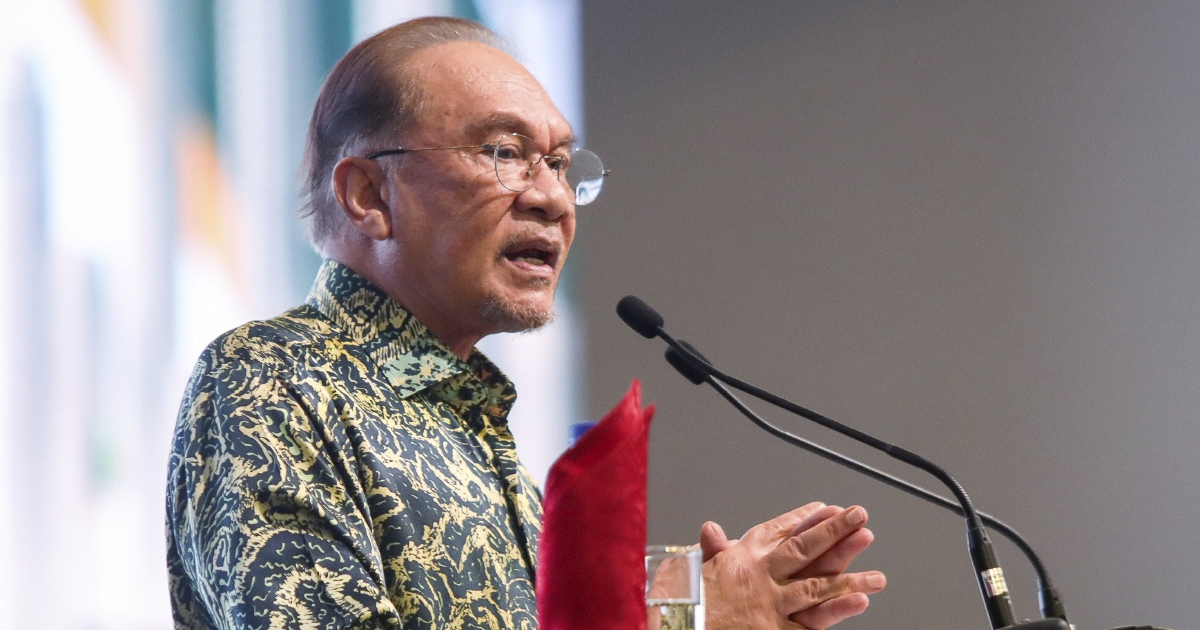
Prime Minister Datuk Seri Anwar Ibrahim announced that Myanmar has formally agreed to accept the first phase of Rohingya repatriation from Malaysian soil, with an initial cohort of 5,000 individuals set to return as part of a negotiated bilateral arrangement between the two governments.
The repatriation agreement represents a significant diplomatic development in addressing one of Southeast Asia's most protracted humanitarian challenges. Malaysia, which has become an unintended host to one of the world's largest stateless populations, has long struggled with the burden of accommodating hundreds of thousands of Rohingya who fled Myanmar over several years. This arrangement marks a concrete step toward reducing that pressure through organised voluntary returns rather than forced deportations, which have proven deeply controversial and operationally fraught in recent years.
The negotiations between Malaysian and Myanmar authorities signal a shift in Naypyidaw's approach to the refugee crisis, though significant questions remain about conditions awaiting returnees. Myanmar's military junta has faced intense international scrutiny since the 2021 coup and subsequent crackdown on the Rohingya minority, which the United Nations has described as genocidal. The commitment to accept returns suggests the regime may be attempting to improve its international standing while simultaneously reducing regional refugee populations that have strained several countries' resources and social infrastructure.
For Malaysia, which hosts an estimated 177,000 registered Rohingya under UNHCR auspices alongside tens of thousands more undocumented arrivals, the repatriation pathway offers a long-term population management solution. The country has struggled to balance humanitarian obligations with domestic economic pressures and social tensions, particularly in urban areas where Rohingya communities compete for employment and services with lower-income Malaysian citizens. The government has consistently maintained that Malaysia cannot serve as a permanent home for stateless populations and has sought third-country resettlement or repatriation as the appropriate remedies.
Yet the voluntary nature of this agreement distinguishes it from previous failed repatriation efforts. Earlier attempts to return Rohingya to Myanmar, particularly through the Bangladesh-Myanmar joint mechanism, collapsed amid reports of inadequate preparation in receiving communities and persistent security concerns. This arrangement, negotiated directly between Kuala Lumpur and Naypyidaw, may face fewer institutional obstacles, though verification of returnee safety and the actual delivery of promised humanitarian support will prove critical to its credibility and success.
The diplomatic breakthrough also reflects Malaysia's regional positioning under Anwar's leadership, which has emphasised bilateral engagement and practical problem-solving over confrontational approaches. Rather than joining international condemnation of Myanmar's governance, Kuala Lumpur has pursued pragmatic dialogue aimed at achieving tangible outcomes that directly benefit Malaysian interests. This approach mirrors how Southeast Asian nations generally prioritise constructive engagement with their neighbours despite serious reservations about internal policies.
Implementation will present substantial logistical and verification challenges. Identifying eligible Rohingya willing to return, documenting their identities, establishing safe passage arrangements, and ensuring receiving communities in Myanmar have basic infrastructure and protection mechanisms will require coordinated effort. The involvement of international organisations such as the International Organization for Migration and UNHCR will likely be essential to maintaining transparency and safeguarding returnee welfare throughout the process.
The scale of the initial cohort—5,000 individuals—appears calibrated to test the mechanism's viability before larger movements occur. Successful completion of this phase could pave the way for additional tranches, potentially addressing a significant portion of Malaysia's Rohingya population over time. However, the refugee crisis extends far beyond Malaysia, with Bangladesh hosting nearly one million Rohingya in sprawling camps, and Thailand, Indonesia, and other regional countries also absorbing displaced populations.
Regional stability considerations loom over the repatriation process. Neighbouring countries monitoring Myanmar's implementation will assess whether returns genuinely reflect refugee preferences or represent coercive mechanisms masked in voluntary language. International human rights bodies and advocacy organisations have already signalled their intention to scrutinise the operation closely, meaning any irregularities could trigger diplomatic friction and further complicate Myanmar's international rehabilitation efforts.
The broader implication for Southeast Asia is that bilateral pragmatism may succeed where humanitarian appeals and external pressure have failed. Malaysia's willingness to negotiate with Myanmar despite the junta's controversial record demonstrates that regional nations are prepared to work with difficult partners when mutual interests align. For the Rohingya themselves, this arrangement offers at least a pathway toward potential return, though the fundamental question of whether Myanmar has genuinely transformed conditions to ensure their safety and reintegration remains fundamentally unanswered. The coming months will reveal whether this agreement translates into meaningful, verifiable action or represents merely another false start in the long struggle to resolve one of Asia's defining humanitarian crises.

