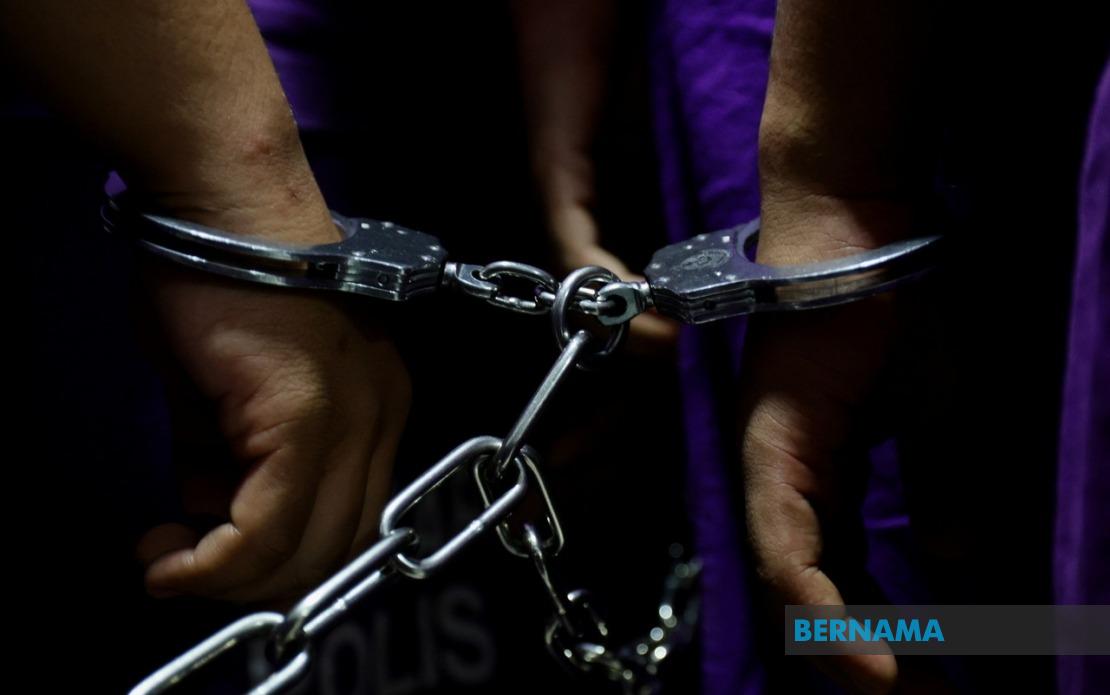
Myanmar's law enforcement has moved against an organized theft ring operating across the Mandalay region, culminating in the arrest of 13 suspects connected to two high-profile gold shop robberies. The operation has exposed the broader criminal infrastructure underpinning precious metals theft in central Myanmar, a region known for its significant jewellery trade and ongoing security challenges.
The investigation began with a July 20 robbery of the Millionaire Gold Shop located in Chanmyathazi Township, prompting authorities to apprehend six men directly implicated in the heist. Following their initial detention, investigators expanded the dragnet to capture five additional suspects believed to have played supporting roles in the same operation. The combined efforts resulted in the seizure of substantial contraband including more than 42 ticals of gold jewellery—equivalent to approximately 0.7 kilogrammes—along with undisclosed amounts of cash, demonstrating the considerable financial stakes involved in these criminal enterprises.
Beyond the stolen goods, the arrested individuals possessed a cache of weapons that underscores the dangerous nature of organized theft networks in Myanmar. Police recovered a pistol with two magazines containing 27 bullets, indicating the perpetrators were armed during their operations and willing to employ force to achieve their objectives. The recovery of four motorcycles suggests the gang used vehicle-based escape routes, a common tactic for mobile theft operations in urban settings. The seizure of a slingshot and 31 bolts points to the group's capacity to manufacture improvised weapons, highlighting the resourcefulness of criminal networks despite economic constraints.
A critical breakthrough emerged during the deeper investigation into the Millionaire Gold Shop case. Three of the six men arrested for the July 20 robbery were subsequently linked to a separate incident dating back nearly nine months—the October 30, 2023 robbery of the Paw Oo Gold Shop in the adjacent Mahaaungmyay Township. This connection revealed that the criminal organization operated with sufficient longevity and stability to carry out multiple major heists spanning nearly a year, suggesting a more hierarchical and established operation than opportunistic street crime.
The identification of these overlapping perpetrators prompted authorities to pursue additional arrests related to the Paw Oo Gold Shop case. Two further suspects were detained after investigations determined their involvement in collaborating with the three men from the earlier robbery. This cascading arrest pattern demonstrates how systematic police work can dismantle criminal networks by following investigative threads and identifying connections between seemingly separate incidents. The two additional suspects arrested for the Paw Oo operation bring the total detainee count to 13, with the investigation revealing the true scope of the criminal network's activities.
For Myanmar's justice system, the cases represent a notable success in combating organized property crime in an economically vital sector. Gold shops remain attractive targets for criminal enterprises across Southeast Asia due to the high value-to-weight ratio of precious metals and the relative portability compared to other valuable commodities. Myanmar's gold market, deeply integrated into the region's broader financial ecosystem, experiences particular vulnerability given the country's ongoing governance challenges and security concerns that can hamper police capabilities in certain areas.
The legal framework has already been invoked against all 13 detained suspects, placing them within Myanmar's criminal justice system. However, authorities have indicated that additional suspects remain at large, suggesting the investigation continues to expand. This ongoing pursuit reflects acknowledgment within law enforcement circles that the full network may extend beyond those currently apprehended, a common situation in organized crime investigations where peripheral members or logistics coordinators may evade initial sweeps.
The recovery of weapons and the sophisticated operational methods evident in the heists suggest these were not desperate acts by impoverished individuals but rather calculated criminal enterprises conducted by networks with planning capacity and resource access. The overlapping personnel between the two robberies indicates either deliberate team-building by experienced criminals or alternatively, a fragmented but cooperative underworld where skilled thieves work across multiple operations with different co-conspirators.
For Myanmar's gold retail sector, the arrests offer modest reassurance regarding law enforcement response capabilities, though the nine-month gap between the Paw Oo robbery and its subsequent investigation highlights potential vulnerabilities in detection systems. Gold shops across Southeast Asia face persistent security challenges, and Myanmar's experiences inform broader regional discussions about merchant protection and police coordination. The case also carries implications for Malaysian security officials monitoring cross-border criminal activity, as organized jewellery theft networks sometimes operate across national boundaries or maintain regional connections.
The continuation of efforts to identify remaining suspects indicates that Myanmar's authorities view this investigation as ongoing rather than concluded. This approach, while resource-intensive, reflects growing sophistication in how developing Southeast Asian law enforcement agencies pursue major crime cases beyond the initial wave of arrests. The comprehensive recovery of weapons and detailed cataloguing of seized assets demonstrates investigative professionalism that contrasts with perceptions of limited capacity in Myanmar's security apparatus.
Looking forward, the case exemplifies the interconnected nature of organized crime in the region. Gold shop robberies in Myanmar may have supply chains connecting to illicit markets in neighbouring countries, including Thailand, Laos, and potentially beyond. The weapons seized suggest possible connections to arms trafficking networks, as the pistol and ammunition recovered represent commodities that move through distinct criminal supply chains. Understanding these connections remains crucial for Myanmar and its regional partners as they work to disrupt not just individual criminal acts but the networks enabling them.

